Publié le 20 juillet 2026 · 4 min read
For this week’s Reality Cheque, we’re looking at one surprising reason for overspending—and, no, it’s not boredom.
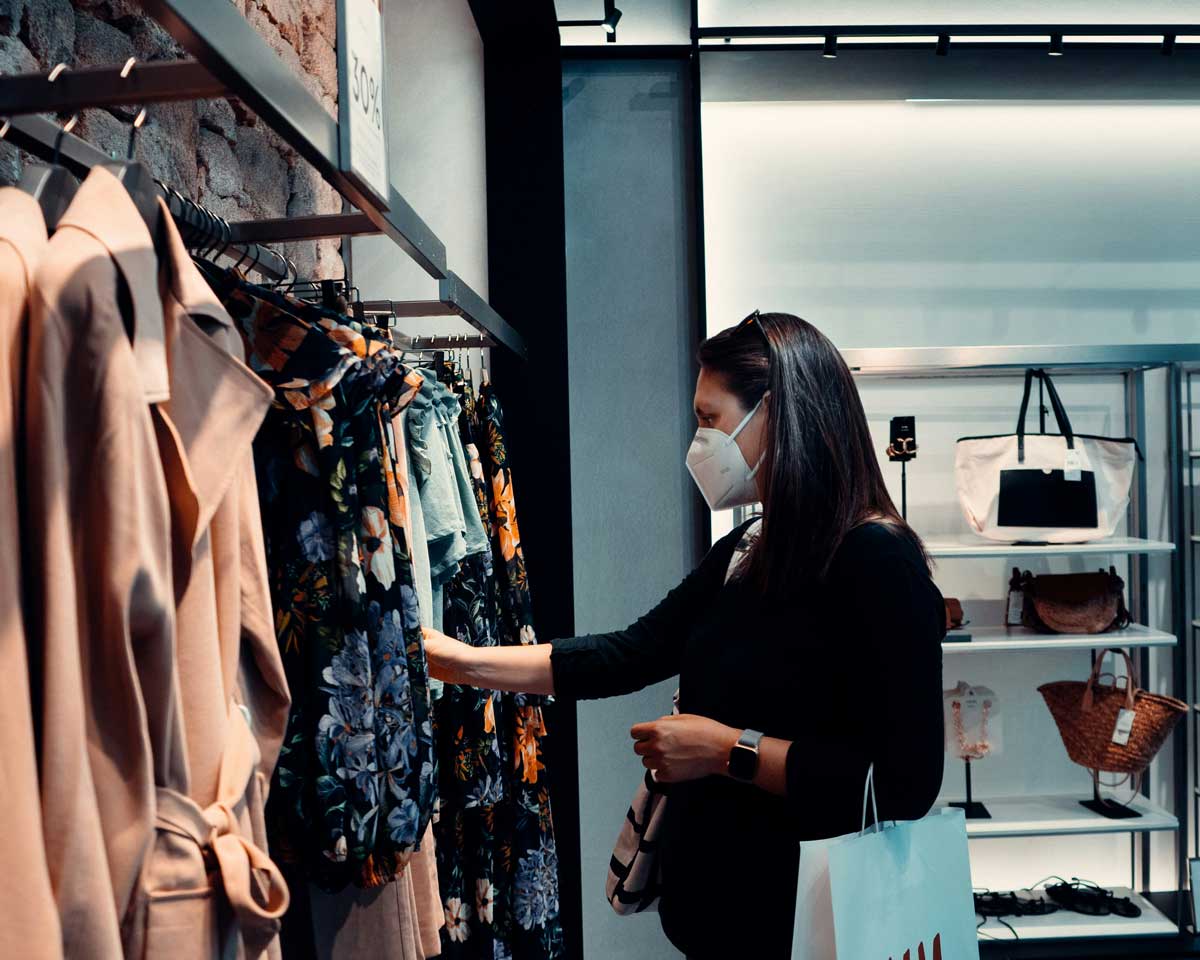
You’re not stressed. You didn’t just get a promotion. It’s not your birthday, and there’s nothing on your need-to-get list right now. Yet somehow, you just clicked “buy” and a package of impulse purchases is heading your way. What gives? In a surprising twist, it could have been the smoggy air outside that made you do it.
De notre commanditaire
.png-rLGFSx980jA3P5rYPd5UninHnqZPU4.png&w=1920&q=75)

In fact, according to one study published last year in the Journal of Marketing, higher levels of air pollution—as measured by the air quality index (AQI)—were associated with increased consumer spending. And this higher spending wasn’t on just anything—it was on “hedonic” purchases in particular, says study co-author Sanghwa Kim, assistant professor of marketing at the DeGroote School of Business at McMaster University in Hamilton, Ont.
“Our research shows that consumers tend to spend more money when air pollution is really significant,” he says, with “the strongest increase in pleasure-seeking categories like entertainment, leisure activities and other purchases that provide emotional benefits.”
How air quality affects your spending
The AQI is a measurement tool used to show how much pollution is in the air. Its scale differs from the AQHI (Air Quality Health Index) commonly used in Canada, but the systems have one key thing in common: The higher the number, the worse the air.
Kim is originally from South Korea, and this research was initially prompted by his memories of the often poor air quality there pre-COVID. (Happily, the situation has improved since then, he says, partly due to high uptake of electric vehicles in China.) The study analyzed AQI and spending data from July 2017 to June 2019 to draw its conclusions.
“It’s evident that air pollution creates feelings of discomfort and consumers begin to respond by looking for small sources of pleasure or comfort through their spending,” Kim says, adding that the effect gradually increases as the AQI gets worse. “Some people might think of this as a form of retail therapy.”
And feel-good shopping isn’t the only kind of spending affected by air quality. One 2025 paper from the Journal of Marketing Research looked at spending patterns during wildfire smoke events in the United States in 2018, 2020 and 2023. The researchers found that people were more likely to make sustainable purchases, such as of green cleaning products or refill products, when stores were exposed to significant smoke. Interestingly, the data showed that these decisions were for both altruistic and personal health reasons; in other words, the presence of wildfire smoke triggered shoppers to make decisions that were better both for their own health and for that of the planet.
Shopping your feelings
It’s natural to look for mood-boosters when you’re feeling low, and buying something fun is a common way to get a hit of dopamine. Since air pollution can contribute toward stress, discomfort and other negative feelings, Kim says, it makes sense it’s linked to efforts at self-care. “When people are stressed out, uncomfortable or in a negative mood, they may be more likely to make purchases that provide short-term enjoyment.”
And that’s not a bad thing—to a point. But if it starts affecting your budget in ways that could be hurting your ability to reach your financial goals, it’s worth paying more attention, he adds, noting that small purchases can add up over time, and could even lead to unexpected debt.
How to take control
Kim points out that the air pollution examined in his study is the insidious, day-to-day kind, not the sudden blast of unbreathable air you might get when the wind brings you smoke from a big wildfire. Often, you might not even notice everyday pollution, so it’s worth keeping an eye on the AQHI and watching how it affects your mood.
When it comes to sticking to your financial plans, he says, awareness is key. If you do find yourself indulging in more retail therapy than usual (and more than your budget can handle) when the air is bad, pay attention to your mood and think about whether that overspending is actually necessary. And recognize that environmental factors really do affect how we think and feel. “Air pollution can influence more than our lungs,” Kim says. “It also impacts our everyday economic behaviours, including how we spend our money.”
And if nothing else, you’ve got a new excuse for when you shop a little over budget: You can just blame the air.
Read more from this issue of The Get:

Kat Tancock
Kat Tancock is a writer, editor and translator based in British Columbia. Her writing on personal finance has appeared in the Globe and Mail, MoneySense, Asparagus and Chatelaine.


The Get is owned by Neo Financial Technologies Inc. and the content it produces is for informational purposes only. Any views and opinions expressed are those of the individual authors or The Get editorial team and do not necessarily reflect the official policy or position of Neo Financial Technologies Inc. or any of its partners or affiliates.
Nothing in this newsletter is intended to constitute professional financial, legal, or tax advice, and should not be the sole source for making any financial decisions. Past performance is not a guarantee of future results. Neo Financial Technologies Inc. does not endorse any third-party views referenced in this content. Always do your due diligence before deciding what to do with your money.
© 2026 Neo Financial Technologies Inc. All rights reserved.