
No More Ls
What’s the deal with all the price changes?! Is algorithmic pricing out of control?
By Rob Csernyik
Publié le 20 avril 2026 · 5 min read
For this week’s No More Ls column, we’re looking into algorithmic pricing and how it works in Canada.
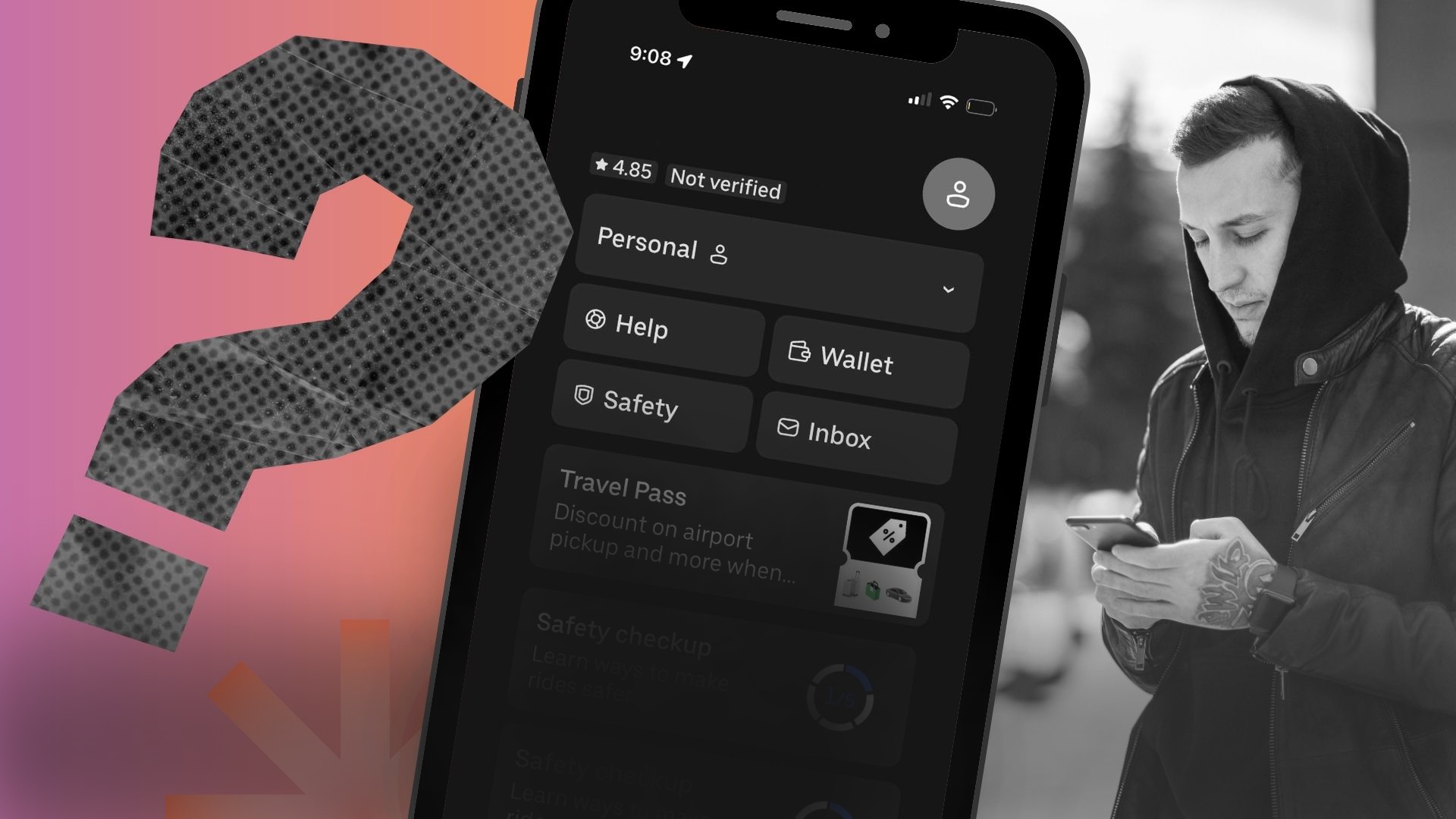
These days, it feels increasingly rare to see the same price twice when shopping online or in apps. Whether it’s booking hotel rooms, shopping on Amazon or ordering a rideshare home from a night out, prices can vary by a few cents to hundreds of dollars.
De notre commanditaire
.png-rLGFSx980jA3P5rYPd5UninHnqZPU4.png&w=1920&q=75)

You can thank algorithmic pricing for this volatility at checkouts, which increasingly makes shopping feel like gambling. But it’s a bet most Canadians are uncomfortable with. Just over half the participants in a recent Abacus data poll say there should be a ban on algorithmic pricing. Another 31% are okay with it only if strictly regulated. Spoiler alert: it’s not.
A research team at McGill University’s Max Bell School of Public Policy, sponsored by the Competition Bureau of Canada, wrote algorithmic pricing policy recommendations, and they published their findings last July.
The academics and policy experts interviewed had mixed opinions, says Elijah Maubert, a data consultant, policy advisor and co-author of the report. Some felt algorithmic pricing hadn’t developed enough to be regulated, while others “were of the ilk that it was not a question—the technology had far outpaced regulation and the law.” The authors found Canadian policies lack the “agility and clarity” to manage the fast evolution of algorithmic pricing behaviours.
With the Manitoba government recently introducing a bill to tackle fluctuating online grocery prices by banning personalized algorithmic pricing, policies may start catching up to the artificial intelligence-driven tech. But for now, knowledge is power—so here’s what might help you beat the algorithm.
How does algorithmic pricing work?
First, let’s define it. According to Competition Bureau Canada, “Algorithmic pricing can be broadly defined as the process of using automated algorithms to set or recommend prices for products or services, often in real time, based on a set of data inputs. It is gaining momentum across sectors and industries worldwide, with reports of its use in sectors from hospitality to concert tickets to ridesharing.”
Now, for how it works. Algorithmic pricing either follows a set of rules which determine price changes, or AI technology “decides what price to charge and it’s able to update itself automatically based on different data inputs,” says Maubert. That can include supply versus demand, your past purchase preferences and more. There are two main types of pricing: dynamic and personalized.
You may notice dynamic pricing when shopping for flights and hotels, or have been stuck with paying a Lyft or Uber surge charge. Algorithms change prices based on any number or combination of inputs—from demand levels and time of day, to remaining inventory, competitor prices, even the weather.
Customers are at a disadvantage; it’s difficult to know if the best price is in front of them or how much it might increase or decrease if they wait to buy because algorithms have access to behind the scenes data, says Mohsen Foroughifar, an assistant professor at Carnegie Mellon University who researches algorithmic pricing.
Canadian shoppers have a better window into personalized pricing, including the kind being targeted by Manitoba lawmakers, because it’s based on decisions and patterns we can recognize. Algorithms incorporate personal data into the price-setting equation—like your browsing behaviour, purchase history, and location.
Even your phone’s operating system might affect what you pay. Because iPhones are generally pricier than Android devices, people who own them may be perceived as more affluent by an algorithm. A lawsuit filed in Maryland in 2023 claimed Apple users were charged more for DoorDash deliveries than Android users, and personal stories of similar experiences, with other apps, litter the internet.
It’s no surprise then that when the Competition Bureau published a report in January based on public consultations, the top three concerns shared by Canadians were unfairness, discrimination and price fluctuation.
“Depending on how much data the algorithms have, the price can react to both the market conditions and your specific characteristics,” Foroughifar says.
Can you beat the algorithm?
Unlike a video game boss, the algorithm isn’t as easily conquered. “There are very limited strategies,” Maubert says, but his research offers some ideas on how to push back. Rideshare users can usually save if they leave early and can avoid surge charges if they wait until after peak times, like rush hour or a concert’s end.
Location matters, too, says Maubert. “Sometimes walking one or two blocks can dramatically decrease the price that you have to pay.” Shopping across different apps and websites might also net better deals—there is no reason to feel that the single price you see is the only option you have.
Going offline is another idea. We already pay so-called convenience taxes when using online shopping and apps to save effort and time. So, purchasing goods the old-fashioned way, like buying groceries on-site or hailing a cab, may help lower the price. Maubert says that he discovered on one trip from the Montreal airport into the city that the price for a taxi was $60 less than an Uber.
When planning a vacation, learning more about baseline prices and how they change during high and low seasons can help prepare consumers to beat the algorithm, Foroughifar says. Sometimes, he adds, you can find this from other customers in reviews or you can ask friends who’ve visited the same destination for advice.
Both Maubert and Foroughifar suggest practising some data hygiene, like using incognito browsers, which hides your cookies, cache and log-in info. Just open a new browser window in private or incognito.
“From the algorithm’s perspective, you are counted as a new viewer,” Foroughifar says, adding some sites might offer better prices to first-time visitors. Cheaper prices don’t always come from being a loyal customer. (Here’s how to negotiate lower bills.)
While some websites and apps use only their own first-party cookies and data to track your visits, others use third-party info when calculating prices. Opting out of the latter “might be another thing to prevent the algorithm from being able to track you,” he adds.
Foroughifar’s research—which includes a doctoral thesis on the challenges of implementing algorithmic pricing on Airbnb—suggests one way the algorithm might actually help customers pay less. Lodging prices set by algorithms were sometimes lower than those manually changed by Airbnb hosts to respond to demand.
It’s still not enough to consider the algorithm an ally to consumers, but credit where credit is due.

Rob Csernyik
Rob Csernyik is an award-winning business and investigative journalist and the author of “A Losing Hand: The Human Costs of Canada's Gambling Epidemic”.


The Get is owned by Neo Financial Technologies Inc. and the content it produces is for informational purposes only. Any views and opinions expressed are those of the individual authors or The Get editorial team and do not necessarily reflect the official policy or position of Neo Financial Technologies Inc. or any of its partners or affiliates.
Nothing in this newsletter is intended to constitute professional financial, legal, or tax advice, and should not be the sole source for making any financial decisions. Past performance is not a guarantee of future results. Neo Financial Technologies Inc. does not endorse any third-party views referenced in this content. Always do your due diligence before deciding what to do with your money.
© 2026 Neo Financial Technologies Inc. All rights reserved.