Publié le 6 juillet 2026 · 5 min read
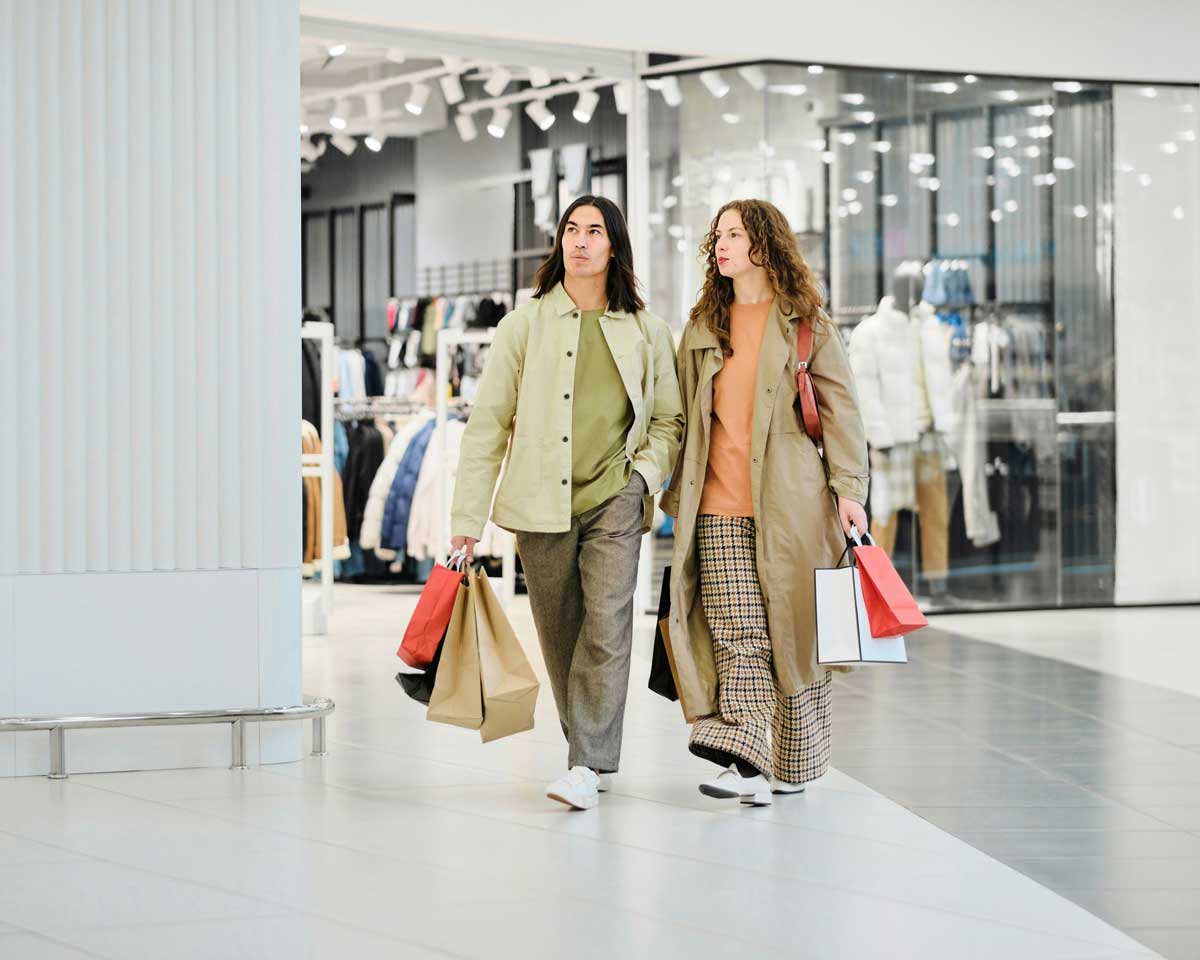
For this week’s Reality Cheque column, we’re revealing how to buy cheap clothes that don’t suck.
When someone asks me about my hobbies, I’m not sure whether “buying things” is a good thing to say. From browsing my favourite e-commerce apps after I put my son to bed to trolling brick-and-mortar stores during the sales, overpriced matcha in hand, looking at clothing has always sparked joy—and so has buying it, of course. That doesn’t mean I’ve always made sound decisions when clicking “add to cart.” My early 20s were a particularly reckless period when I simply “needed” a new going-out top or dress for every night on the town. This one-and-done impulse can highlight the worst of fast fashion: Money wasted on single-use items made of crappy, synthetic fibres and destined for the landfill or thrift store—bad for our wallets and the environment. But along with a graveyard of polyester club wear, there are pairs of genuine leather shoes from Zara in my closet that I’ve had for 10-plus years and still get compliments on. So, I know first-hand that buying apparel at more affordable stores doesn’t have to mean it’s disposable.
De notre commanditaire
.png-rLGFSx980jA3P5rYPd5UninHnqZPU4.png&w=1920&q=75)

How should one approach shopping at less-expensive retailers for clothes that will hold up over time? I spoke to a wardrobe stylist and a personal shopping duo about how to shop smart on a budget.
Save on trendy pieces and high-turnover basics
Look for discounts on trendy items, like this summer’s linen pants in every colour, and everyday basics, like T-shirts and tanks, suggests Megan Giannone, one half of the best friends-turned-personal-shoppers behind Shouldn’t Be Shopping. “Those are items that either cycle in and out of trend quickly, or get worn so often that they don’t really justify a high price point.”
Giannone pays attention to fabric weight and looks for 100% cotton or high-cotton blends when buying tees and tanks. “Slightly thicker always reads as more elevated. A simple, well-cut tee at a lower price point can look just as good as a designer one if the fabric and fit are right.” Giannone and Salz love Uniqlo for bang-for-your-buck T-shirts.
Spend more on bags, shoes and outerwear
The experts I spoke to agree that it’s wise to prioritize shoes, bags and coats in your budget. “It’s worth investing in these pieces that anchor your wardrobe. Those are the items you wear repeatedly; they define a person’s sense of style,” says Amanda Salz, the other half of Shouldn’t Be Shopping.
Erica Wark, a celebrity stylist and TV personality, advises spending more on outerwear. “It’s important to not only have a stylish coat you love, but one that can perform under extreme temperatures,” she says. Salz agrees: “In this climate, the jacket makes the outfit.”
Earmarking a chunk of your clothing fund to a great topper doesn’t mean you have to shop at designer boutiques or luxury department stores. “Zara and H&M, for example, usually have a more premium line or collection, which is typically what I would aim for when purchasing something elevated like a wool coat,” says Salz. Regardless of where you spend, read the garment’s label carefully. “I look for fabric content first and foremost.”
For Wark, good quality shoes are also a must. “Footwear is always a great place to invest, particularly the shoes you wear most of the day. It’s so important to have good support.” This doesn’t mean you have to buy luxury or designer shoes in order to maximize comfort—she loves Canadian brand Aldo for this. “Their shoes are so comfortable and they always have on-trend staples.”
In fact, an informal and very unscientific poll I posted on my Instagram stories prompted a dozen replies from friends and followers who all said they have real leather shoes and boots from stores like Zara, Aldo and Mango in rotation that would be considered “vintage” by fast-fashion standards. The key here is to focus on natural materials like leather and suede and avoid synthetics.
Make it last: Pay attention to fabric—and washing instructions
Shoppers should always look at fabric composition first, avoiding anything too thin or primarily made of synthetic fibres, Giannone says. And Wark adds: “Those pieces don’t hold up as well over time.” Look for natural fibres instead. “Fabrics like wool, cashmere, cotton, silk and linen are all built to last.”
It’s also a good idea to look at fabric details and sourcing. And don’t ignore a garment’s care instructions. “Heading to the dry cleaner weekly might not be something that works for your life. Or perhaps you live or work near one, and it’s a preferred method of cleaning for you,” says Wark. “Opt for items that fit into your lifestyle.”
When shopping online, read the reviews
Salz relies heavily on reviews for online-only brands like Quince, which is known for offering up elevated quality at radically transparent (and affordable) prices—the company reduces costs by shipping factory-direct. “I pay closest attention to reviews that mention how the piece holds up after washing, and any size or fit specifics,” she says. “And for new-to-Canada brands like Quince, I usually start with the categories they’re known for, like quality cashmere or linen at a great price point, rather than trendy pieces.”
Discern what’s actually premium from what’s a marketing push
Another tip is to know the different sub-collections within a budget-friendly retailer. “For example, H&M has their Studio collection, which tends to have better fabric and construction versus their regular lines,” says Giannone.
In stores, pay close attention to items displayed on walls or mannequins, as they tend to be more “premium.” Again at H&M, that’s where you’ll likely see their Studio collection or most current designer collaboration displayed. But location isn’t law in stores like H&M and Zara. Sometimes, putting items on display isn’t always a mark of their quality, explains Salz. “We do notice these stores often move things around to make the floor seem fresh and new, constantly. For example, you could walk into a Zara and see the same item in two different places—in one day alone!”
But a word of caution about the special collections that brands advertise and display prominently: “These are always higher-margin items that the company will want to push, but expensive doesn’t always mean better quality,” says Salz. “The designer collaborations are a great example of this—you’re often paying for branding.” You know what that means: Don’t pull the trigger before checking what a garment is made of. As Salz says, “Checking the fabric composition on a garment will tell you more about an item than the price tag.”
-B6aoEzigsVmwTSu3rUIpqeBoAF2VXH.jpg&w=1920&q=75)
Read more from this issue of The Get:

Jennifer Berry
Jennifer Berry is a freelance writer and editor based outside of Toronto. She’s worked at fashion and lifestyle publications, such as The Kit and Fashion magazine, and now contributes shopping and trend articles to those outlets and others, including ELLE Canada, Toronto Star and Nuvo.


The Get is owned by Neo Financial Technologies Inc. and the content it produces is for informational purposes only. Any views and opinions expressed are those of the individual authors or The Get editorial team and do not necessarily reflect the official policy or position of Neo Financial Technologies Inc. or any of its partners or affiliates.
Nothing in this newsletter is intended to constitute professional financial, legal, or tax advice, and should not be the sole source for making any financial decisions. Past performance is not a guarantee of future results. Neo Financial Technologies Inc. does not endorse any third-party views referenced in this content. Always do your due diligence before deciding what to do with your money.
© 2026 Neo Financial Technologies Inc. All rights reserved.