Publié le 23 mars 2026 · 6 min read
Here’s the answer to this week’s reader question.
“I want to know how to avoid the government auditing you.”
—Jan
By Anna Malazhavaya, a tax lawyer with Advotax Law in Toronto
As told to Ian Portsmouth
How do you avoid an income tax audit in Canada?
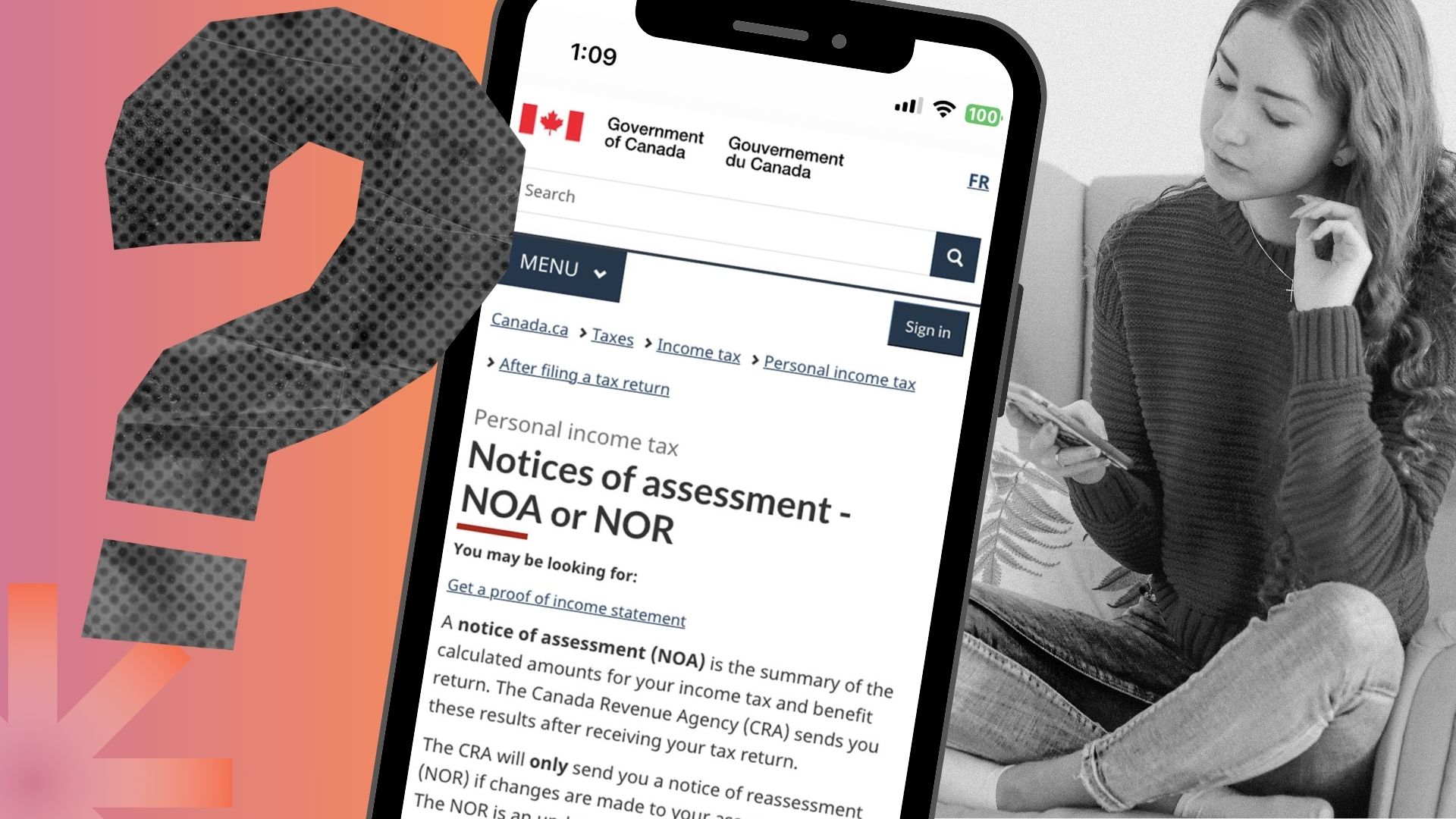
Canada’s tax system is built on self-reporting to the Canada Revenue Agency (CRA). Every year, you’re required to file a tax return that captures the information required to calculate the total in federal and provincial taxes you owe for that year. The return also accounts for tax prepayments—such as amounts withheld from your paycheque—to determine whether you need to pay off the balance or will receive a refund . The CRA then processes your return and sends you a Notice of Assessment (NOA), which essentially means the agency has relied upon the information you reported.
But that isn’t always the end of the process. The agency uses several verification tools—including reviews and audits—to confirm that returns are accurate.
Review vs audit by the Canada Revenue Agency
A review, not an audit, is the most common type of verification for individual taxpayers. This is when the CRA cross-references the information you provided with information received from other sources (T slips, for example) or asks you to provide documentation supporting specific claims on your return, such as medical expenses, tuition credits or other deductions. These checks are usually narrow and focused on particular items rather than your entire return. If the documents support what you reported, the matter ends there. If the documentation does not support the claim, the CRA may adjust your return, and you will likely owe tax.
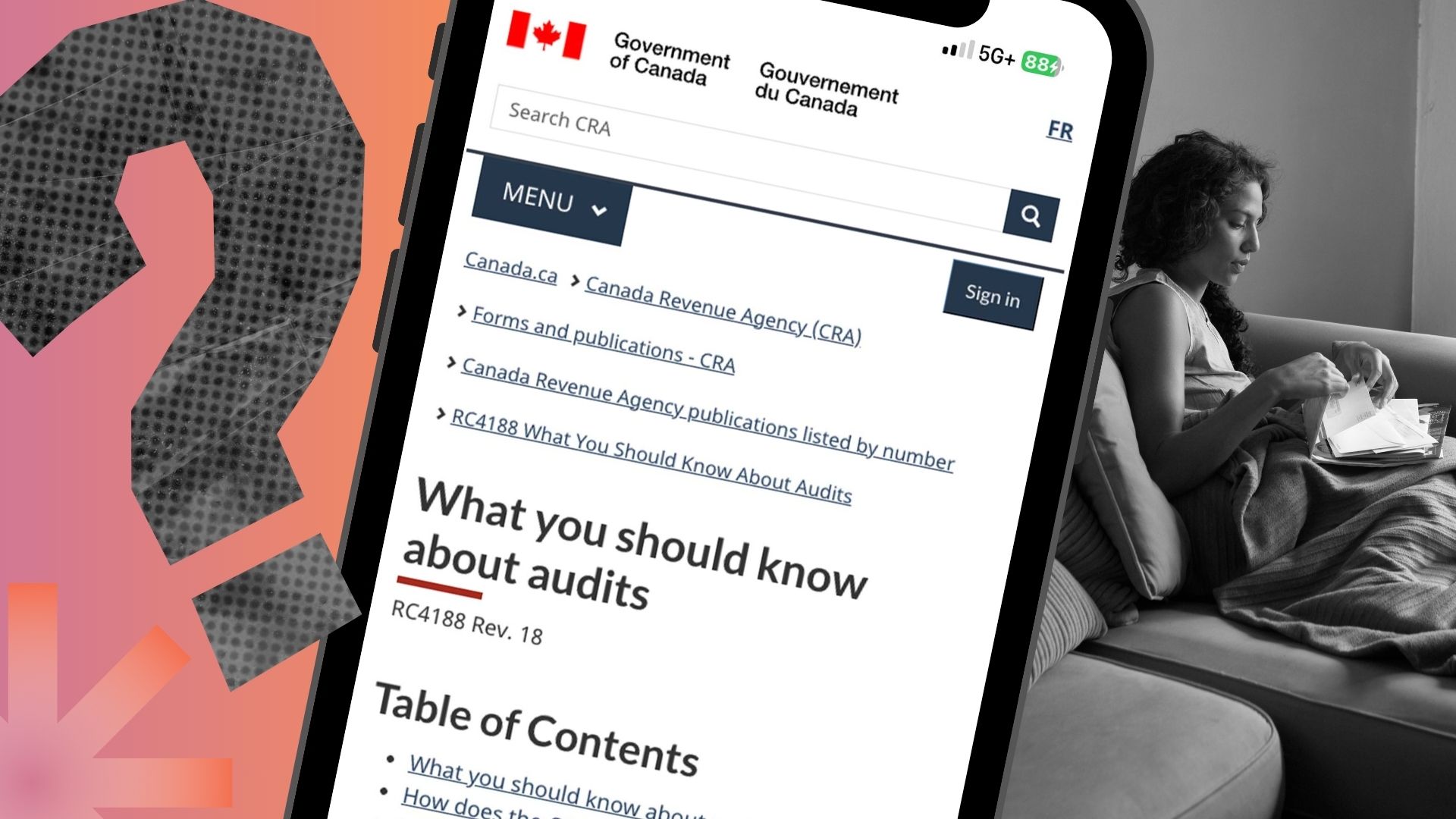
An audit, though, is a more detailed examination of your income tax return. During an audit, CRA auditors may request financial records, review transactions and ask questions about your income and deductions. Audits are less common for people who simply earn a salary and claim standard credits, but they are one of the tools the CRA uses to verify compliance.
Whether the CRA conducts a review or an audit, the outcome can be the same if changes are required. When the agency adjusts a return that has already been assessed, it issues a Notice of Reassessment (NOR). That document replaces the original NOA and shows the updated calculation of tax owing.
What happens when CRA finds errors in your income tax return?
If the CRA concludes that your return was correct, the process simply ends with confirmation that the review or audit is complete. If the agency finds errors—such as unreported income or deductions that can’t be supported—the reassessment may increase the amount you owe and include interest and penalties. But if the process reveals a deliberate attempt to evade taxes—say, failing to report a significant source of income or making fraudulent expense claims—you may be subject to criminal punishment, such as fines or imprisonment.
If you disagree with a reassessment, you can challenge it. In most cases, you have 90 days from the date of the notice to file a formal appeal called a Notice of Objection (NOO), which asks the CRA’s appeals division to review the decision.
What triggers a CRA audit?
Most taxpayers would prefer to avoid the review or audit stage altogether. Sometimes the audit triggers are predictable.
The most important rule is simply to report all your income, such as wages and investment gains. Make sure every tax slip (such asT4, T4A and T3 forms) is included in your return. Sometimes slips can get lost in the mail, or people forget about accounts they opened years earlier. It helps to have an online CRA account, where you can look up all slips the agency has on file for you. That lets you confirm that your records match the government’s records before you file.
Another important practice is keeping your documents. If you claim deductions or credits—especially larger ones—you should be able to prove your eligibility. Keep all receipts, invoices and supporting documents well organized and easy to retrieve.
The usual advice is to keep tax records for at least six years, and that is generally correct. But there are situations where older records can become important. For example, if you provided a loan to a friend seven years ago and more recently received a repayment of the loan, you may need the original loan documentation to explain to the CRA auditor the nature of the deposit that appears in your bank account. Without those records, it can be difficult to explain unusual deposits or transactions. When in doubt, keep it.
Large deductions are another common reason a return attracts attention from the CRA. Over the past decade, the agency has invested heavily in data analytics to analyze tax filings. These systems help the CRA determine typical deduction amounts for taxpayers with similar income levels and financial profiles. If a deduction appears to be outside the normal range, the return may be flagged for further review.
Third-party information has also become an increasingly important tool the CRA uses to identify unreported income. In some cases, the CRA can request records directly from companies or financial institutions. Income from all sources should be reported. Even if income is earned outside a traditional job—such as money from gig work or being a paid social-media influencer—it remains taxable.
Real estate transactions can also attract scrutiny, and the CRA has focused heavily on markets such as Toronto and Vancouver. Selling a principal residence is often tax-free, but repeatedly buying and selling properties in a short period can raise questions. Courts sometimes refer to this pattern as “house hopping”—moving from one property to another in a way that resembles a business rather than ordinary homeownership. If the CRA concludes that someone is effectively flipping houses as a business, the profits can be taxable.
Consistency also matters. Filing on time and maintaining consistent reporting practices helps reduce unnecessary scrutiny. Amending a return to correct an honest mistake is perfectly acceptable. But repeated or unusual changes—especially those that appear designed to reduce taxes after filed—may attract attention.
Some audits and reviews begin with errors made by professional tax preparers. If you choose not to prepare your return yourself, be sure to hire someone qualified to do it. Chartered Professional Accountants (CPAs), for example, must meet rigorous education and examination standards and, importantly, must have professional liability insurance that can protect you if they make an error on your tax return. That doesn’t mean non-licensed accountants are necessarily unqualified. Many are knowledgeable, experienced, and can accurately prepare more complex tax returns. But do some due diligence before hiring anyone to prepare your return.
Can you avoid a tax audit?
In the end, avoiding trouble with the CRA comes down to a few straightforward habits: report all income, keep good records, claim deductions you can support and be cautious about tax strategies that seem too good to be true. Unless your tax return is very simple, consider hiring a good accountant.
Canada’s tax system depends on honest reporting backed by documentation. If you follow those principles, a review or audit is usually manageable.


The Get is owned by Neo Financial Technologies Inc. and the content it produces is for informational purposes only. Any views and opinions expressed are those of the individual authors or The Get editorial team and do not necessarily reflect the official policy or position of Neo Financial Technologies Inc. or any of its partners or affiliates.
Nothing in this newsletter is intended to constitute professional financial, legal, or tax advice, and should not be the sole source for making any financial decisions. Past performance is not a guarantee of future results. Neo Financial Technologies Inc. does not endorse any third-party views referenced in this content. Always do your due diligence before deciding what to do with your money.
© 2026 Neo Financial Technologies Inc. All rights reserved.