Publié le 2 mars 2026 · 5 min read
For this week’s Reality Cheque, we’re busting the myth that dupes always save you money.
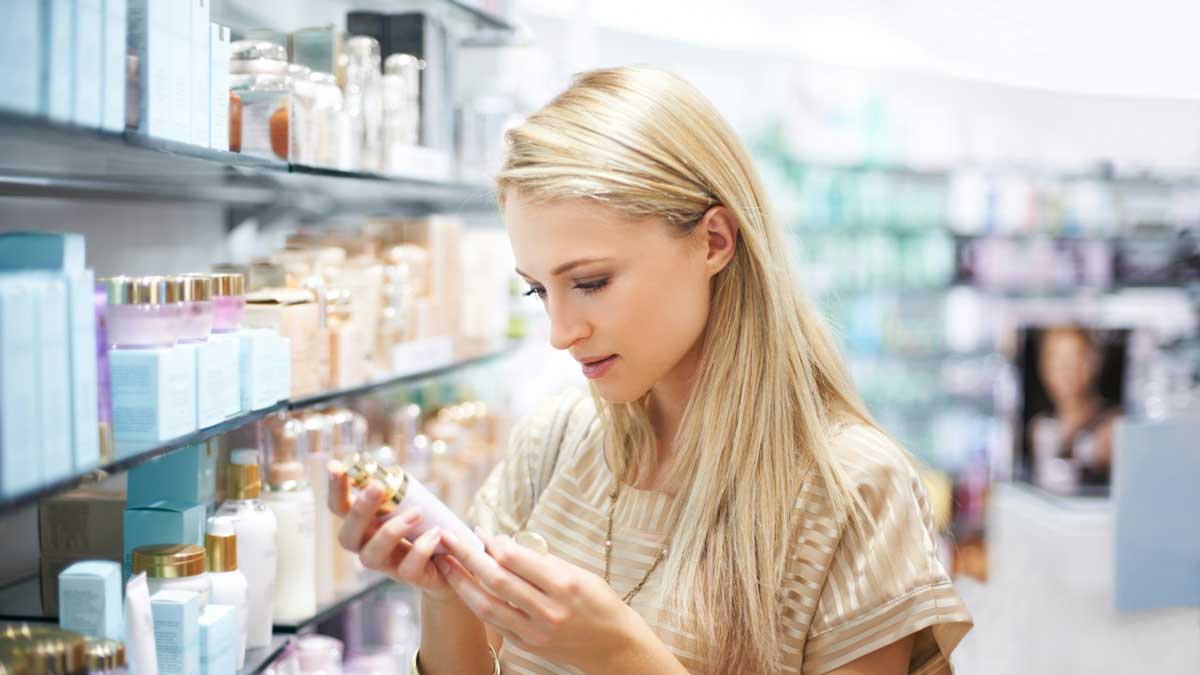
Shopping for dupes is practically a Canadian pastime. Essentially copycats or knockoffs of brand-name products and a huge trend on social media, many of us are turning to these in the hopes of spending less—and proudly, too. The hashtags #dupe and #dupes have over 650,000 posts on TikTok alone, with creators consistently going viral for their reviews on the fashion, beauty or lifestyle products they scored for less. Dupes can be anything from Lulu-“inspired” workout pants and under-$15 mascara to affordable bagless vacuums and faux-pod headphones.
De notre commanditaire
.png-rLGFSx980jA3P5rYPd5UninHnqZPU4.png&w=1920&q=75)

“It’s a tough economy. We’re in a recession, and people’s jobs are at stake. Every penny, every dollar that people can save counts these days,” says Daniel Tsai, assistant professor of business and law at Queens University. “The social acceptance of trying to get a deal, to get a dupe, is much higher now than it was when the economy was really strong.”
However, does shopping for dupes actually save your money? And what are the real costs of buying dupes? We asked the experts to break it down.
You may save on a dupe but end up spending more in the long run
The concept that dupes save you money is the same psychology that encourages us to spend on Black Friday, Cyber Monday and Boxing Day, says Shannon Lee Simmons, a Toronto-based certified financial planner and founder of The New School of Finance. Retailers would have us believe we’re coming out ahead by getting a deal, when in reality we’re dropping cash on something we probably hadn’t planned to buy in the first place.
“Something is cheaper than normal, and therefore it makes sense for me to buy it,” says Simmons of the thought process at work. “It’s like, ‘I’m silly if I don’t buy it.’” (That said, a promo when you’re already planning to buy something is a true deal.)
With dupes, that added thinking of “my dollar goes further” only increases that temptation to spend, adds Tsai, noting it’s the substitution effect at work: When brands raise prices we turn to cheaper substitutes. “Dupes help people realize how expensive the real thing is. The dupe is such a good value they’re able to buy more with their dollar. They have more purchasing power, and that’s the reason why they spend more.”
To avoid an impulse purchase when you’re online shopping (which 82% of Canadians do on the reg), removing the auto-populate credit card option in your online checkout so you have to manually enter your card number every time you shop is an easy way to slow down, suggests Simmons. “It’s a sober second thought,” she says, adding if a dupe is in your budget and you were already planning on buying it, then purchase away!
Dupes can be lower quality
A dupe can be a steal, but not if that T-shirt starts pilling after three washes or that immersion blender breaks after making just two smoothies. Cost per wear or cost per use will help you determine if a dupe is actually worth it or if the real thing is worth saving up for.
All you need to do is divide the cost of the item by the number of uses. For example, if you invested in a $300 blazer but wear it once a week for five years, that’s about $1.15 per wear versus a $60 blazer that you wear maybe 10 times before you have to replace it, which is a cost per wear of $6. If you don’t know how long something might last, like that blender, check the reviews online or third-party testing, like Consumer Reports.
“People often think spending more on an item will cost them more—but it can save you more in the long run,” says Jaclyn Patterson, a Toronto-based personal wardrobe stylist with a slow-fashion approach. “A dupe or a cheaper garment won’t last as long, so essentially, you’ll need to replace it in a faster timeline.”
That’s not to say that a more expensive product necessarily means a better product. Fashion and beauty products, especially in the luxury sector, have some of the highest markups out there. That’s why it’s important to do your homework.
Before you buy, understand what you’re buying
When shopping for clothes, look at construction and fabrication, adds Patterson, who recommends these tests before you purchase.
- Look at the stitching: Are there clean lines? Is there serging in places you’d expect a more finished edge? Are the seam ends finished, or are there loose threads? This will tell you a lot about the work that went into the item.
- Try a stretch test: Gently stretch the fabric. Does it return to its original position or does it stay loose and ill-fitting? If it’s the latter, it likely won’t hold up in the wash.
- Look at the fabric and fabric tags: “If there are already little fuzzy bits rising on the top that indicates an increase of pilling,” she says, noting that she looks for fabrics with a high percentage of natural fibres like cotton, wool, silk, hemp, linen and Tencel.
Whatever you’re buying, do your research on the brand. Do a deep dive into the language around sustainability, production and fabrics and materials. “If you’re buying something made in Canada, it’s going to have a higher price tag, but that’s the true ethical cost of producing it,” says Patterson.
Dupes promote overconsumption and waste
Outside of our wallets, dupe culture contributes to the growing waste crisis in the fashion, beauty and wellness industries.
Because dupes are so cheap, we often don’t think twice about buying another type of vitamin C serum if the first dupe didn’t quite cut it. “We really don’t need 50 jackets, 50 tops, 100 pairs of shoes,” says Patterson, noting that we’re consuming 60% more than we did just 15 years ago. “It’s not something to take lightly, but it is something that people don’t question enough on how they can change their impact.”
Dupes can normalize overspending
When you see an influencer showing their latest dupes haul, it’s easy to feel like everyone is doing it, so why shouldn’t I?
“Social media allows us to compare more and this fuels this desire to shop more, to have that release of dopamine and feel good for a moment about buying something new,” says Patterson. “That’s fuelling this demand for people to dress ‘trendier.’ Essentially it’s pushing them to buy cheaper clothing and dupes, just to stay relevant.”
Simmons has seen this transition first-hand when she started out as a financial planner 20 years ago. The biggest concern in the 2000s for Canadians was fixed expenses, including mortgages and loans, whereas now her clients’ biggest concerns are discretionary spending.
“What’s been normalized is not normal or sustainable,” says Simmons. “It is good for businesses.”
Carli Whitwell
The award-winning Toronto-based lifestyle journalist has written for EE72, Refinery29, ELLE Canada, The Toronto Star and others.

The Get is owned by Neo Financial Technologies Inc. and the content it produces is for informational purposes only. Any views and opinions expressed are those of the individual authors or The Get editorial team and do not necessarily reflect the official policy or position of Neo Financial Technologies Inc. or any of its partners or affiliates.
Nothing in this newsletter is intended to constitute professional financial, legal, or tax advice, and should not be the sole source for making any financial decisions. Past performance is not a guarantee of future results. Neo Financial Technologies Inc. does not endorse any third-party views referenced in this content. Always do your due diligence before deciding what to do with your money.
© 2026 Neo Financial Technologies Inc. All rights reserved.