
Publié le 23 novembre 2026 · 5 min read
For this week’s MVP, we’re chatting with Julie Blais Comeau.
Whether you’re a newbie in your career or an established professional, the old “So, what do you do?” ice-breaker is worse than lazy, cliché and uninspired—it could actually be hindering your networking goals.
De notre commanditaire

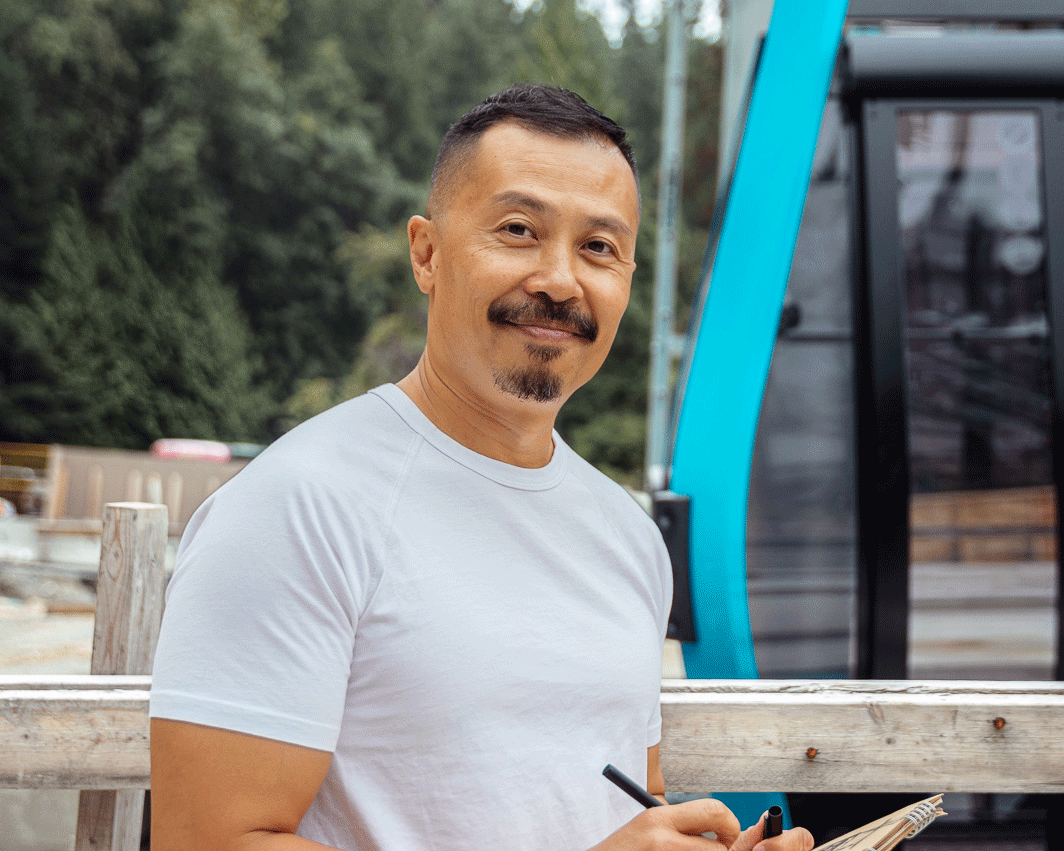
The point of networking is to make personal (and memorable) connections, explains Ottawa-based chief etiquette officer Julie Blais Comeau at etiquettejulie.com. And telling someone your long-winded, likely narrow job title almost certainly isn’t the way to connect.
That said, keen networkers still want to spot and meet strategic connections, so how do they possibly navigate the scene without veering into job interview territory?
Comeau tells how to replace “What do you do?” with endless better options—and make an impression that lasts, for a long-term connection that keeps on delivering.
Here’s my problem: I want to know who I’m talking to so I can speak to them accordingly, but I don’t want to ask “What do you do?” because it feels tacky. Firstly, is it?
There are certainly far more engaging ways to spark meaningful professional conversations. The question feels the way it does because its spirit is selling, not serving. The mindset is “What can you do for me?” rather than “How can I help you?” and it’s just not the foundation for a real connection.
When you go to a networking event—any event—you should arrive with an intention and a plan. It’s not about the free shrimps and chardonnay. You’re not there to catch up with your friends at work. You’re there to meet new people and make new, memorable connections.
Is there a way to know if I’m talking to a boss or bigwig?
It’s not guaranteed, of course, but it’s perfectly OK to ask the coordinator or host or whoever invited you for a list of participants.
There’s a way to ask this very nicely and you might find they’re happy to share names and profiles of who’s in the room. There’s also a way to ask this to your host very casually, like “Who should I be sure to meet while I’m there?”
Arrive right on time or a few minutes early, actually, and you’ll see all the speakers and important people already there surrounded by their entourage. Or you could go to the hospitality desk and make friends with the coordinator.
You could ask them, “Has so-and-so already arrived?” or “Could you please introduce me to so-and-so?” You can even specify how you’d like to be introduced. That’s a great start no matter who you’re talking to.
Since there’s no need now for “What do you do?,” how about “How are you?”
You’ll certainly have some kind of “How do you do?” question, and the answer is not “Fine, thank you.” That’s silence—that’s a brick wall.
I teach people to say “I’m great because…” and to then tell me something more. Something interesting.
You can and should definitely prepare this little nugget in advance: Maybe you just booked a vacation ticket or you’re just back from a weekend where you learned to make your own pasta. If you’re at your neighbour’s Christmas party, maybe you’re excited to share your famous guacamole recipe you brought to the potluck.
Because everyone likes vacations and pasta and snacks?
You’re looking for similarities to make connections. Even the good ol’ “What are your weekend plans?” is a great question because everyone loves the weekend.
Once the person starts talking, you should be focused on being interested rather than trying to be interesting.
If they say, “Oh man, we’ve got to paint the house, but the painter cancelled,” you might say, “My brother-in-law is a painter! Would you like me to connect you two?”
That person who needs a painter is going to be so happy. If it works out, you’ll have made a friend forever. That is the kind of connection you’re trying to make and keep.
How do I remember the guy who needs the painter though?
You wait for that little lull in the conversation then you excuse yourself to the washroom, where you get out your phone and you take notes about what they said. If they referenced a book or podcast or a television show, write it down.
The next day, whether via email or LinkedIn, send a note that reminds them of your name and references the event, the conversation you had about the painter and your brother-in-law’s contact info. Or if you talked about a TV show, for example, mention it with the link to Netflix.
But this is all for tomorrow—you’re not going to be seen at the event with your phone in your hand. Body language is so important at these things and you’re on from the moment you arrive in the parking lot.
Put your phone on silent, put it away, walk in with good posture that looks friendly and approachable. Start with a group of two or three—nobody in a serious, intimate-looking conversation—and smile and ask, “May I join you?”
Imagine if someone said, “No, you may not”? Now we’re all talking about that guy.
Exactly. Of course you may join. Those are magic words like “open sesame.” They’re all going to put out their hands and introduce themselves. It’s not difficult, it’s just a matter of practice, practice, practice.
Read more from this issue of The Get:

Rosemary Counter
Rosemary Counter is a Toronto-based writer and journalist whose reporting and essays have appeared in The New York Times, Vanity Fair, The Guardian and others.


The Get is owned by Neo Financial Technologies Inc. and the content it produces is for informational purposes only. Any views and opinions expressed are those of the individual authors or The Get editorial team and do not necessarily reflect the official policy or position of Neo Financial Technologies Inc. or any of its partners or affiliates.
Nothing in this newsletter is intended to constitute professional financial, legal, or tax advice, and should not be the sole source for making any financial decisions. Past performance is not a guarantee of future results. Neo Financial Technologies Inc. does not endorse any third-party views referenced in this content. Always do your due diligence before deciding what to do with your money.
© 2026 Neo Financial Technologies Inc. All rights reserved.