Publié le 6 avril 2026 · 6 min read
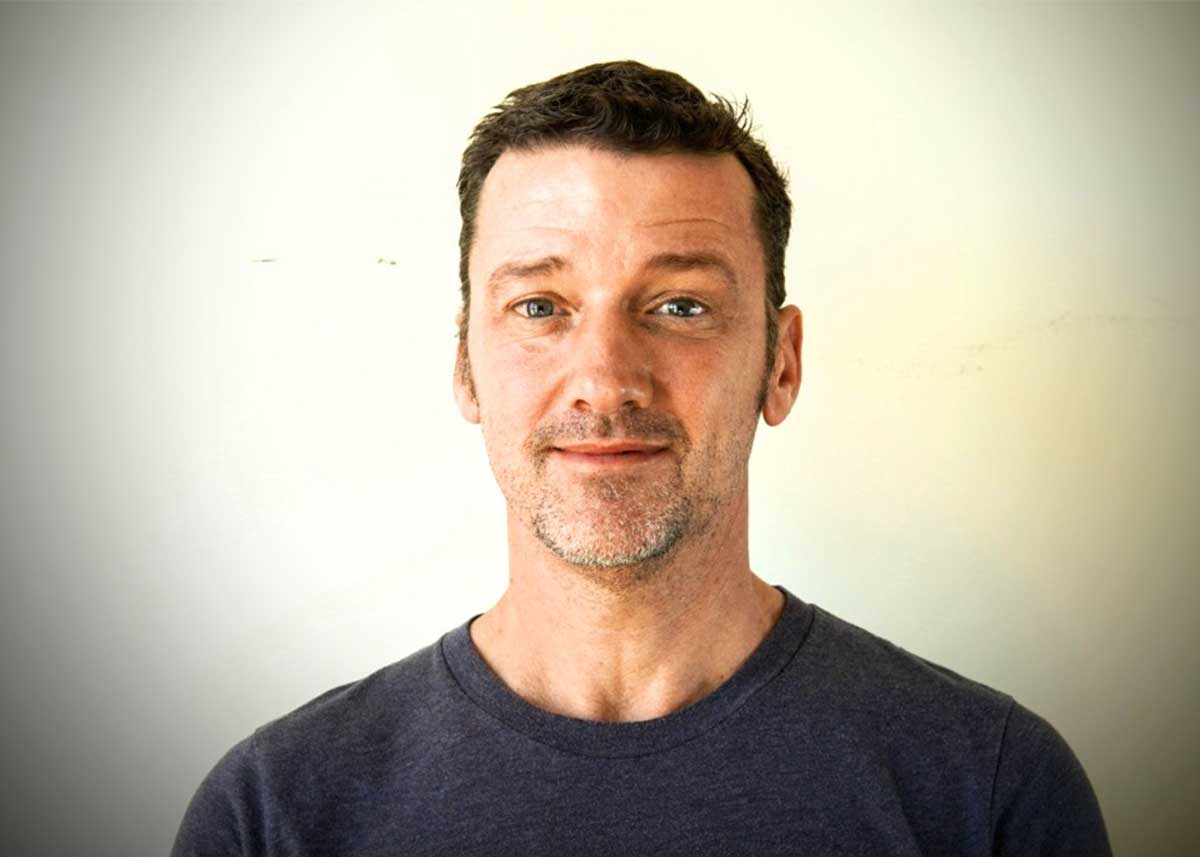
For this week’s MVP, we’re chatting with Pete Adeney.
The money world is ablaze again with FIRE—that’s Financial Independence, Retire Early, if you hadn’t heard. The trendy finance movement has devoted proponents aggressively saving 80% (or more!) of their paycheques. The goal: to reach “FIRE,” the exact amount and moment in time when you can live off your investments alone and don’t have to work, unless you want to.
De notre commanditaire
-AEkqtheTBVzQakrLgVbzKxJhcfRhND.png&w=1920&q=75)

Within the burgeoning community of super-savers, Pete Adeney (a.k.a. “Mr. Money Mustache”) is a pioneer-turned-hero; he started living the FIRE lifestyle long before it became a thing in the 2010s. It resurfaced again—perhaps as a reaction to the push for working in office—and now includes different levels of savings commitment (from the extreme Lean FIRE to the more gradual Slow FIRE).
Once upon a time, then a computer engineer, Adeney lived lean and pinched his pennies to retire to, as he puts it, “a frugal yet badass life of leisure” at the tender age of 30 in 2005. Yes, you read that right, 35 years before the rest of us usually retire. The 51-year-old, Ontario-born, Denver-based Adeney has already been retired for two decades. What does the famous FIRE face really think of the movement that enthusiastically claimed him? For anyone dreaming of early retirement, this chat with Mr. Money Mustache himself is for you.
Everyone’s suddenly talking about FIRE, but you’ve been doing it long before it was called that. How’d that happen?
Honestly, I used to think everyone saved like I did, because it seemed obvious that you’d save most of your money. I was a new graduate from McMaster University and working as a junior software developer. I wasn’t really thinking about retiring early, but I did have a natural tendency to optimize my money. I wanted to get the most fun out of each dollar that I earned and spent.
My favourite thing to do is work on my house. I bought a junky 1970s fixer-upper and spent my weekends working on that instead of going out and buying expensive drinks. I biked to work instead of driving a car. With my partner at the time, we had the benefit of sharing a household. Our salaries went up while we didn’t need to buy much more, so our cost of living dropped. When our son was born in 2005, I wanted to spend more time with him, and because I had the savings to do it, I took an early retirement. I started writing about early retirement six years later, which became Mr. Money Mustache. Nowadays, I only publish a blog post every three or four months—only if I want to and if I have something to say.
Can you tell me some actual numbers? FIRE seems a lot easier if you make $500,000 than $30,000.
I never made that much. My first salary was $44,000, which today would be maybe double that with inflation. So, it was higher than average but not insane. My highest earning year was about $120,000 (which was in U.S. dollars), so that’d probably be about $200,000 today, and that was just a lucky year. Most of my wealth came from just the passive growth in investments over time, which start out small until the snowball effect gradually kicks in. I hear of FIRE people saving 90% of their income, but I’d say I saved like 60%, and I lived the same lifestyle as my salary increased. Most people don’t do that. You’d think that more income makes it easier to save, but people manage to blow money no matter how much they earn.
Why do you think you don’t? Are you naturally frugal, or is it a habit you cultivate?
Some of it comes naturally, because I grew up in a family without extra money. Even having a car seemed ridiculously luxurious when I first bought my own, because my parents would never have given me one. This increased my appreciation of everything that I earned, and by the time I was earning a “real adult professional salary,” I thought, “Wow, I couldn’t even spend all this if I tried.”
But also—I didn’t want to. I liked living with roommates for the first couple years after graduation. I like riding my bike to work. I like coffee, but I’ve never been to a Starbucks drive-thru in my life. I have coworkers that go every single morning on their way to work. I’m like, “Don’t you know you can buy a coffee machine and have coffee at home, right away, practically for free? And, by the way, they give us free coffee at the office here.”
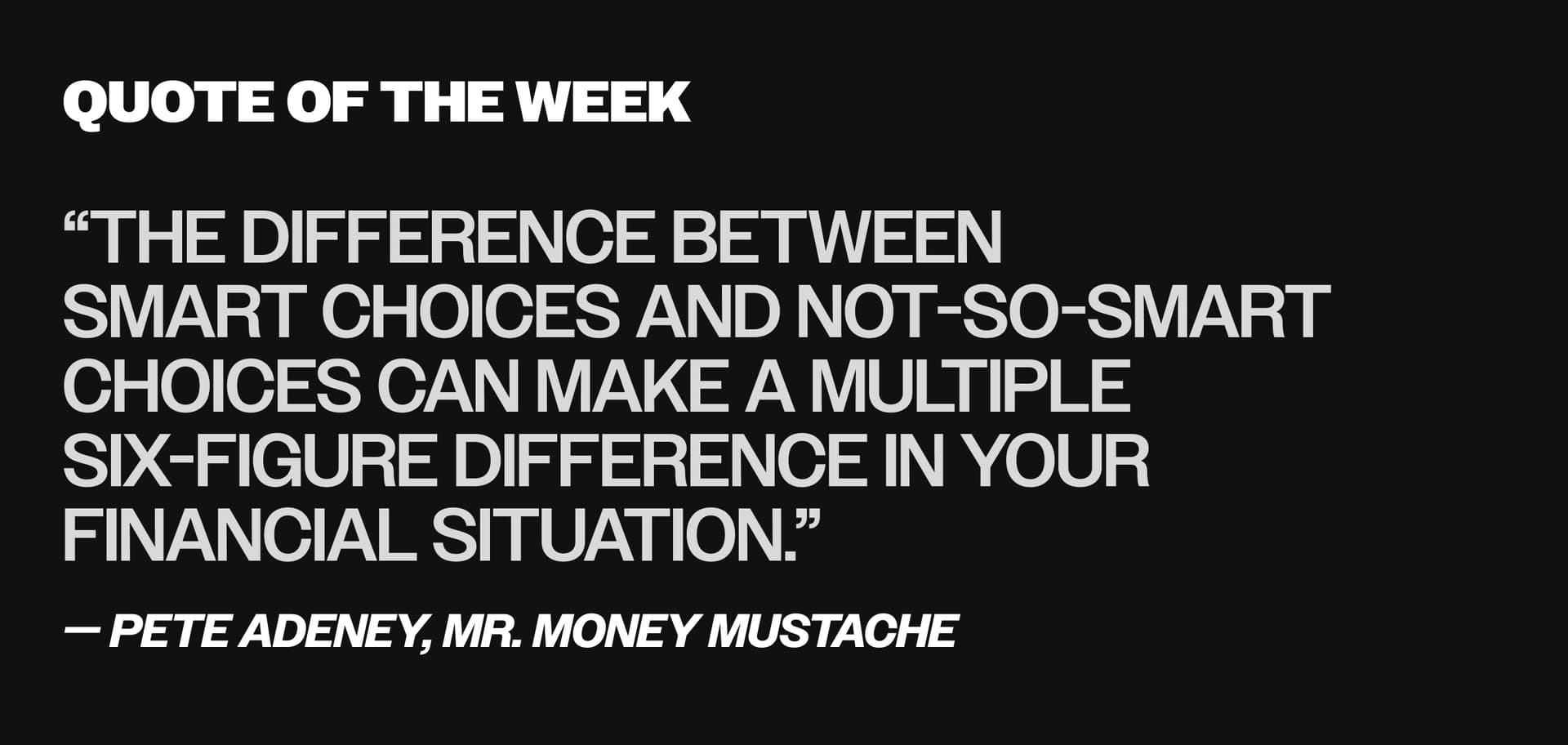
That’s just a habit but it adds up to hundreds of thousands of dollars per decade collectively. The difference between smart choices and not-so-smart choices can make a multiple six-figure difference in your financial situation.
I’m 42. Am I too late to start FIRE?
That’s a common resistance that people have, and I think that’s because FIRE focuses too much on the end thing—the million dollars or whatever you need to walk away from work—whereas it’s really more of a process. I’d think more about what you’re doing today, at your daily habits and life expenses, and think, “Is this actually bringing me value?” Lots of times, the answer is yes, but sometimes the answer is no. That decision is the key to purposeful spending, when you’re glad you bought something and it’s worth it to you, rather than a purchase that you didn’t really want or need, which makes you feel badly or wasteful afterward. That’s the money that you should be saving for retirement.
Is there anything that you want to buy that you don’t?
No, but I always think about it and try not to be impulsive about it. If something’s on my mind long enough, and I think about it and decide it would really be a life improvement, then I buy it.
For example, I’m sitting here in a new house I just bought in Denver. It’s a much more central area than where I lived for the last 20 years, and it’s bigger than I really need and more expensive than my previous house. But it’s also in the neighbourhood I wanted to live in, and everything is walkable. I was always driving here, so I thought, “Why not just live in the place that I’m always coming to visit?”
Interestingly, a lot of people in the FIRE movement end up with the opposite spending problem. After a lifetime of frugality and saving, they don’t let themselves enjoy their money. Lots hold onto jobs longer than they need to because they think they should. I call it the “one more year” syndrome. They should give themselves the gift of quitting but instead they keep working—and stay stressed.
Put that way, it sounds like FIRE is more of a state of mind, or is it maybe a pipedream for people who hate their jobs?
I didn’t hate my job; I just didn't like having a fixed schedule and working for a company. I enjoy setting my own agenda and having control of my time, which I think a lot of people want. Autonomy over what you do with your time and your day is kind of one of the highest rewards or currencies that a human being can have—especially for people who don’t like their job already.
This is the appeal of FIRE and why everyone’s interested: when you’re no longer dependent on the money, you get a choice of working or not working, or doing the work you prefer. Why would anyone not be interested in financial independence? Whether you retire or not, it’s always gonna be better if you get to choose.

Rosemary Counter
Rosemary Counter is a Toronto-based writer and journalist whose reporting and essays have appeared in The New York Times, Vanity Fair, The Guardian and others.

The Get is owned by Neo Financial Technologies Inc. and the content it produces is for informational purposes only. Any views and opinions expressed are those of the individual authors or The Get editorial team and do not necessarily reflect the official policy or position of Neo Financial Technologies Inc. or any of its partners or affiliates.
Nothing in this newsletter is intended to constitute professional financial, legal, or tax advice, and should not be the sole source for making any financial decisions. Past performance is not a guarantee of future results. Neo Financial Technologies Inc. does not endorse any third-party views referenced in this content. Always do your due diligence before deciding what to do with your money.
© 2026 Neo Financial Technologies Inc. All rights reserved.