
Publié le 11 mai 2026 · 5 min read
For this week’s No More Ls column, we’re looking at the unexpected taxes independent contractors often owe.
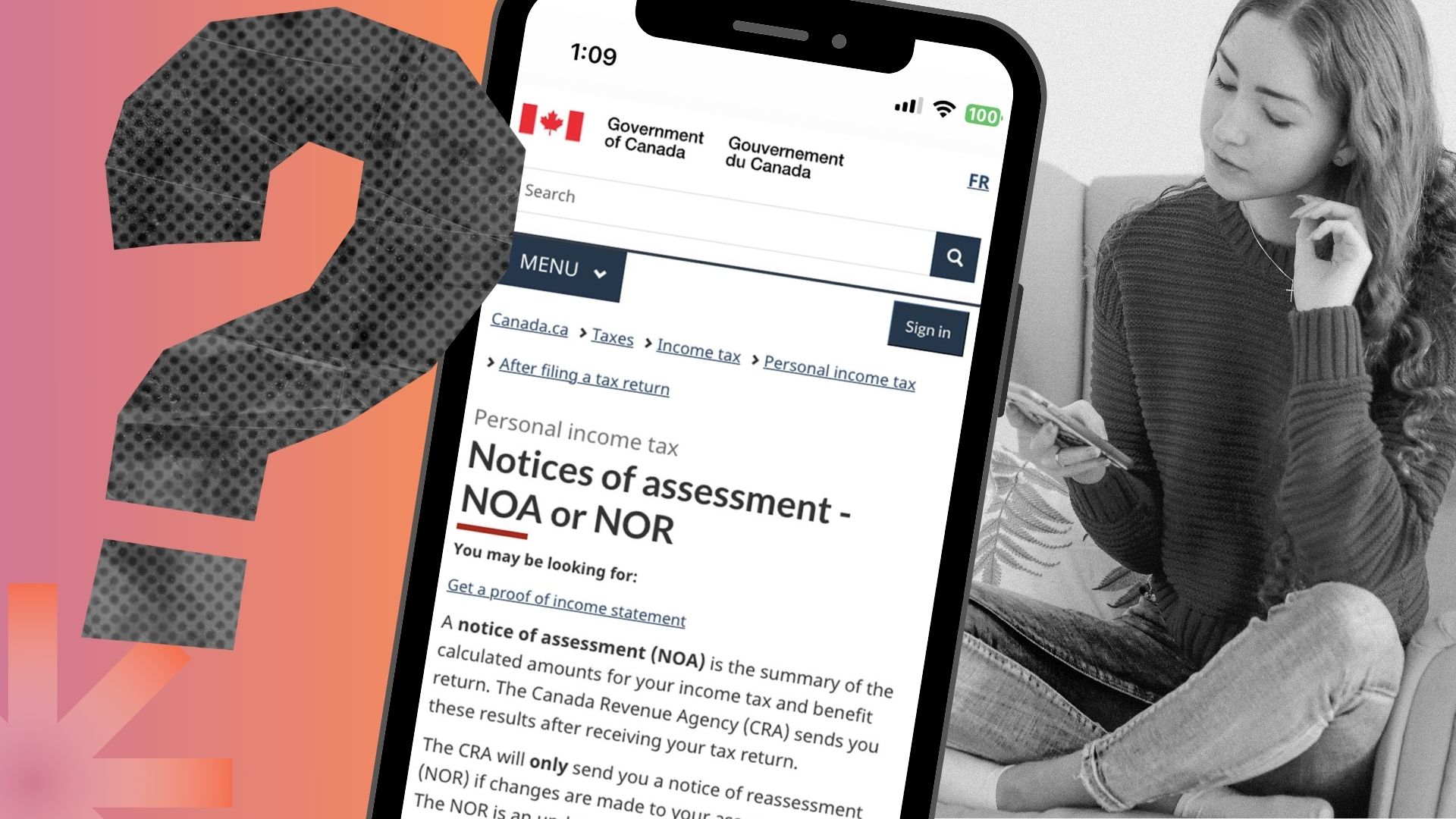
Picture this: you’re a freelancer or independent contractor sitting down to file your tax return in June (the filing deadline for self-employed Canadians is June 15). You have all your receipts and invoices gathered and tallied; it’s time to start entering your totals. What you don’t realize is that you’re about to experience one of the rites of passage that most self-employed people navigate at some point: a surprise tax bill.
As you click through your tax filing, the “total amount owed” starts creeping up and up. By the time you’re ready to file, you realize you owe a big chunk of cash to the Canada Revenue Agency (CRA), and that’s when the importance of tax planning really hits home.
This is a situation many freelancers, contractors and gig workers have found themselves in, but that doesn’t make it any less surprising. “The first time I owed several thousand dollars in income tax, I was a few years into my career as an independent contractor,” says Jenn Neilson, who started her self-employment career as a registered massage therapist and now runs a virtual assistant business. “I remember wishing someone had warned me to save enough for taxes.”
The good news: With a little planning, this situation is entirely avoidable.
Why contract workers get blindsided at tax time
Unlike regular employees, who have taxes deducted from their paycheques every pay period, freelancers, contractors and gig workers are responsible for setting aside that money from their own revenue. Then, at tax time, you’re expected to take that money that you’ve been saving all year and give the CRA its share. Unfortunately, there’s no one there to remind you, so if you forget to set aside that money, you’ll still need to pay, whether you’ve saved enough or not.
How much should you actually be setting aside?
To avoid getting blindsided at tax time, it’s important to set aside a percentage of your income from each invoice. A good rule of thumb is 25% to 30% of your net income (that’s income after expenses). That said, keep in mind that the more you earn, the bigger the percentage of your income you’ll need to put away.
For more accuracy, you can make some educated guesses about how much to set aside based on how much you expect to earn in a year. You can use an income tax calculator (we like this one), select your province and estimated annual income, and the calculator will tell you approximately how much tax you’ll owe on your income. You can use that number to determine a percentage to set aside from every invoice.
Of course, this isn’t an exact science, and it’s better to put away too much rather than too little.
Where should that money live?
Keeping track of the money you set aside for taxes is easiest if you don’t let it intermingle with your everyday spending money. For that reason, keeping it in an entirely separate account is a common strategy. “I now use automatic transfers to ensure money is set aside in a high-interest savings account throughout the year for taxes,” Neilson says.
This out-of-sight, out-of-mind strategy means your tax money will be there when you need it, and if you choose a high-interest savings account (HISA), it’ll even earn a bit of interest before you need to pay your tax bill.
What about tax instalments?
If you filed your income tax return and found out you need to pay more than $3,000 in taxes ($1,800, if you live in Quebec), congratulations—next year you’ll need to pay in instalments. Instead of paying taxes after filing an income tax return, make payments on the 15th of March, June, September and December.
There are a few ways to figure out how much you’ll need to pay. First, the CRA will kindly estimate it for you based on your income from last year. The agency will also send out regular reminders to pay your instalments, so don’t ignore those letters when they arrive in the mail.
If your income, deductions, and credits are going to be very different from last year, then you can use the “current-year” method, and this calculation chart will help you figure out how much you’ll need to pay. Tax instalments can be helpful because when you make regular tax payments, you’re less likely to be surprised with a hefty tax bill after filing, but if you miss payments or don’t pay enough, you’ll be charged interest and penalties.
So you owe, now what?
Saving money during the year is the best strategy to be ready to pay your tax bill, but what happens if you didn’t do that, and now you owe?
Here’s what you shouldn’t do: ignore your debt. Instead, you should contact the CRA and explain your situation. They’ll help you set up a payment arrangement, or you can do it yourself online.
Take control of your taxes before they take control of you
Tax season doesn’t have to feel like playing Jenga with the CRA. Whether you’re just starting as a freelancer or have already been faced with an unexpected tax bill, the steps to avoid future tax shock are straightforward: estimate what you owe, set it aside consistently, and keep that money somewhere it won’t accidentally get spent.
The earlier you build these habits into your routine, the less stressful tax time becomes. Eventually, filing your return will start to feel less like that exam you forgot to study for and more like going to the dentist. Slightly inconvenient? Yes. Anxiety-inducing? A little, but it’s manageable.
Read more from this issue of The Get:
Jordann Kaye
The personal finance writer and editor lives in Halifax, Nova Scotia. Jordann Kaye has contributed to or been featured by media organizations such as CBC, The Globe and Mail, CTV News, and Global.


The Get is owned by Neo Financial Technologies Inc. and the content it produces is for informational purposes only. Any views and opinions expressed are those of the individual authors or The Get editorial team and do not necessarily reflect the official policy or position of Neo Financial Technologies Inc. or any of its partners or affiliates.
Nothing in this newsletter is intended to constitute professional financial, legal, or tax advice, and should not be the sole source for making any financial decisions. Past performance is not a guarantee of future results. Neo Financial Technologies Inc. does not endorse any third-party views referenced in this content. Always do your due diligence before deciding what to do with your money.
© 2026 Neo Financial Technologies Inc. All rights reserved.