Publié le 31 août 2026 · 4 min read
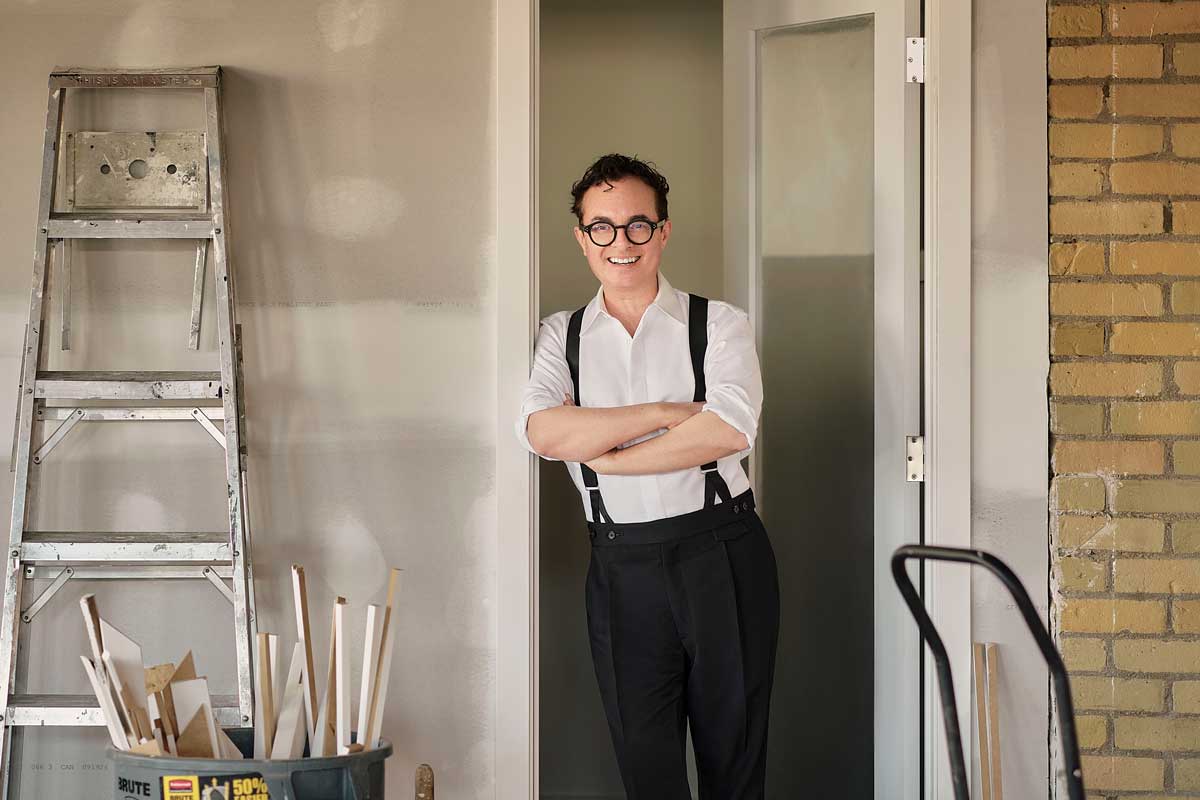
For this week’s MVP, we’re chatting with Tommy Smythe.
“Buy the best, and you only cry once.” While this design maxim is often ignored in today’s culture of one-click purchases, next-day deliveries and non-stop knockoffs, Canadian interior designer Tommy Smythe embodies its wisdom.
De notre commanditaire
Who better to make the case? With a career spanning close to three decades, Smythe has built a reputation not by chasing trends, but by outlasting them. His gift for reimagining how people live, move and gather has made him one of Canada’s most-trusted design voices, known as much for his discerning eye as for the enduring spaces he creates.
That instinct for quality has guided his own career. In 2020, Smythe stepped back from a highly visible television career, after nearly two decades on several successful HGTV series. Smythe’s new chapter included co-founding the design firm TOM Design Collective.
In between transforming homes and making spaces sing, Smythe answered a few fast ones on drafting the proper blueprints for home, self and financial improvement.
What was your first experience in buying a home, and what did that teach you?
I was in my late 20s when I invested in my first house. It was in Cabbagetown on Amelia Street in Toronto. I bought it in 1996 for somewhere around $390,000. It already had really nice features so we mostly decorated it. About four years after moving in, we sold it for a fairly significant profit, and it was my first experience understanding how much interior design can actually make a difference in terms of resale. Also, I learned that a house needs to have great bones—for living or as an investment.
When you talk about a home having “great bones,” what does that actually mean from a financial perspective?
It doesn’t mean that you can just move your furniture in, hang curtains and everything’s good to go. “Great bones” is really about the structure, the layout and the fundamental elements of a house—and how much renovating it needs.
A house with great bones doesn’t need a ton of renovation; it means you can fix the few things that aren’t working in a fairly doable and reasonable way.
How can buying the right house help protect your savings?
At TOM, we’ve had a lot of people approach us who overinvested in their real estate and don’t have anything left for decor. I’d rather see someone buy a slightly less grand house with really nice furniture than own a huge house with crappy furniture.
There are a lot of people investing in real estate beyond their actual means. People who’ve spent way too much money on their house are obviously going to have financial issues.
We ask clients how they plan to use every room, and many realize 30% to 40% of the house they’ve purchased may never be used. Don’t buy more space than you need.
What are the key financial considerations when preparing to buy a new home?
Make sure you know what an appropriate budget is for furnishing or renovating a house before you buy one.
Then, add 25% to that budget as a contingency. Go to a contractor or interior designer to help you understand an appropriate budget based on current market pricing. It’ll save you in the long run. It’s worth talking to them before buying a house.
What’s the best financial advice you ever received?
A former client, who was incredibly supportive and also a chartered accountant, told us not to spend money on things that weren’t going to give us something in return. And, she wanted us to build a war chest as soon as we were able to. She said to keep money in a pool that was untouched except in emergencies. We haven’t had any, but there have been times when we’ve wanted to invest in growing the company, and we wouldn’t have been able to do that if we hadn’t held money back.
What’s next for TOM?
We’re launching an interior design software because we wanted to create something that wasn’t dependent on fluctuations in the real estate and financial markets.
What advice would you give to save money on rent?
Ask questions. Ask whether they have programs or recommendations for making the property more efficient for heating and cooling. Encourage landlords to incorporate environmentally friendly programs because that has a positive effect on the amount of money you spend on utilities. People assume that being more environmentally responsible is an added expense, when in many cases it can actually reduce your costs. Same for homeowners, too.
What does “investment” mean to you beyond money and real estate?
If you invest in ideas and people, the financial piece eventually gets there. The same thing applies to a house: You’re investing in not just in the property but also in the life you’re going to have there. The big lesson is to think about what you’re building, not just what you’re buying.
Read more from this issue of The Get:
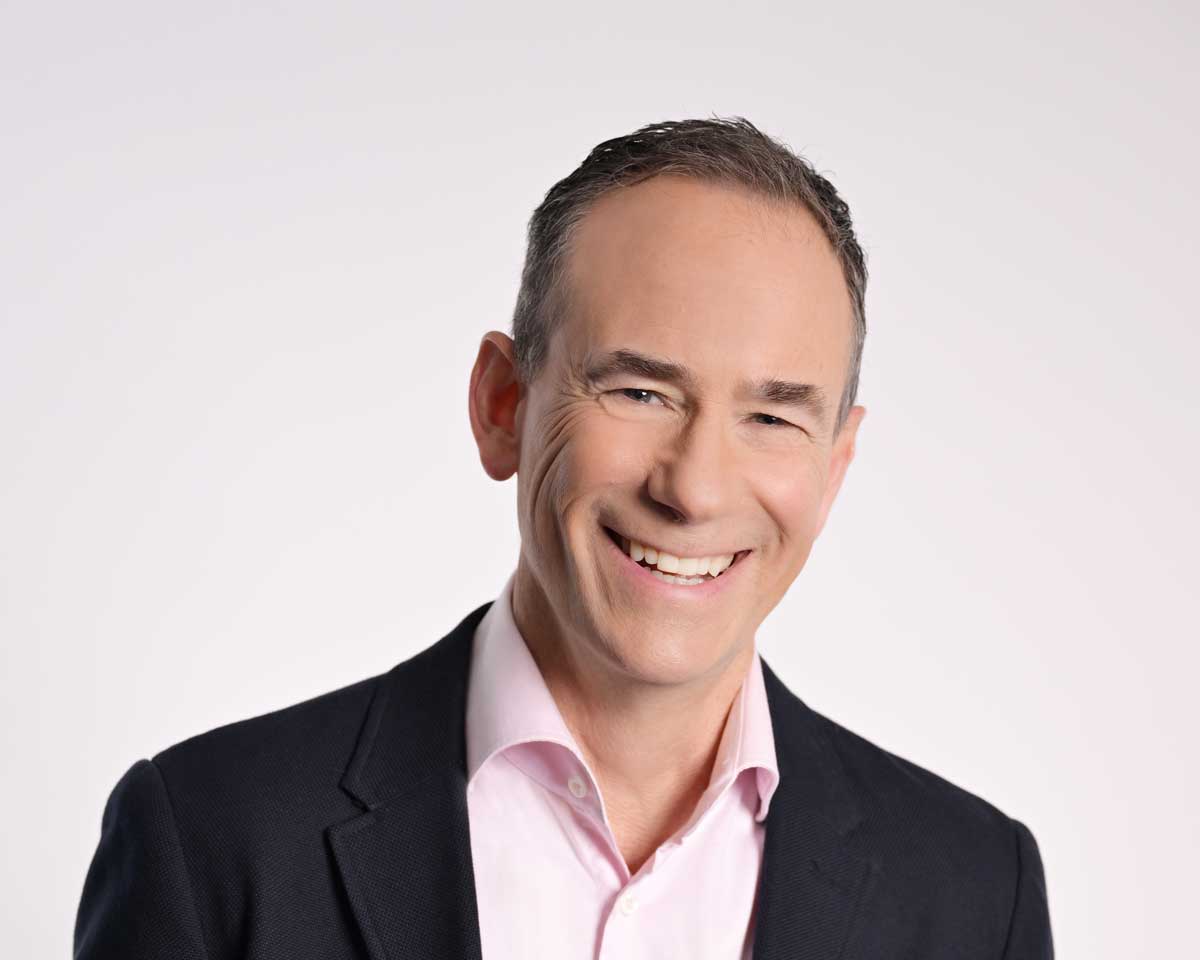
Elio Iannacci
An award-winning writer, scholar and journalist, Elio Iannacci’s work has appeared in more than 80 publications, including The Globe and Mail, Vogue Italia, The Hollywood Reporter and Maclean’s. His writing also appears in a number of literary anthologies, including the newly released The Nuances of Love, published by Guernica.
The Get is owned by Neo Financial Technologies Inc. and the content it produces is for informational purposes only. Any views and opinions expressed are those of the individual authors or The Get editorial team and do not necessarily reflect the official policy or position of Neo Financial Technologies Inc. or any of its partners or affiliates.
Nothing in this newsletter is intended to constitute professional financial, legal, or tax advice, and should not be the sole source for making any financial decisions. Past performance is not a guarantee of future results. Neo Financial Technologies Inc. does not endorse any third-party views referenced in this content. Always do your due diligence before deciding what to do with your money.
© 2026 Neo Financial Technologies Inc. All rights reserved.