Publié le 31 juillet 2026 · 4 min read
By Jessica Morgan, personal finance writer, speaker and founder of Canadianbudget.ca
As told to Robert Gerlsbeck
De notre commanditaire
-AEkqtheTBVzQakrLgVbzKxJhcfRhND.png&w=1920&q=75)
Here’s the answer to this week’s reader question.
Why is it that the more money I earn, the less ends up in my savings?
—Jim
Saving money is important, even as you start to earn more of it
It can be frustrating to earn more money and feel like nothing is changing. A raise or a new job should leave you with more room to save, but for many Canadians, it doesn’t. Instead, the extra money disappears, leaving them wondering why they’re still living paycheque to paycheque. Relate? Keep reading.
Blame inflation
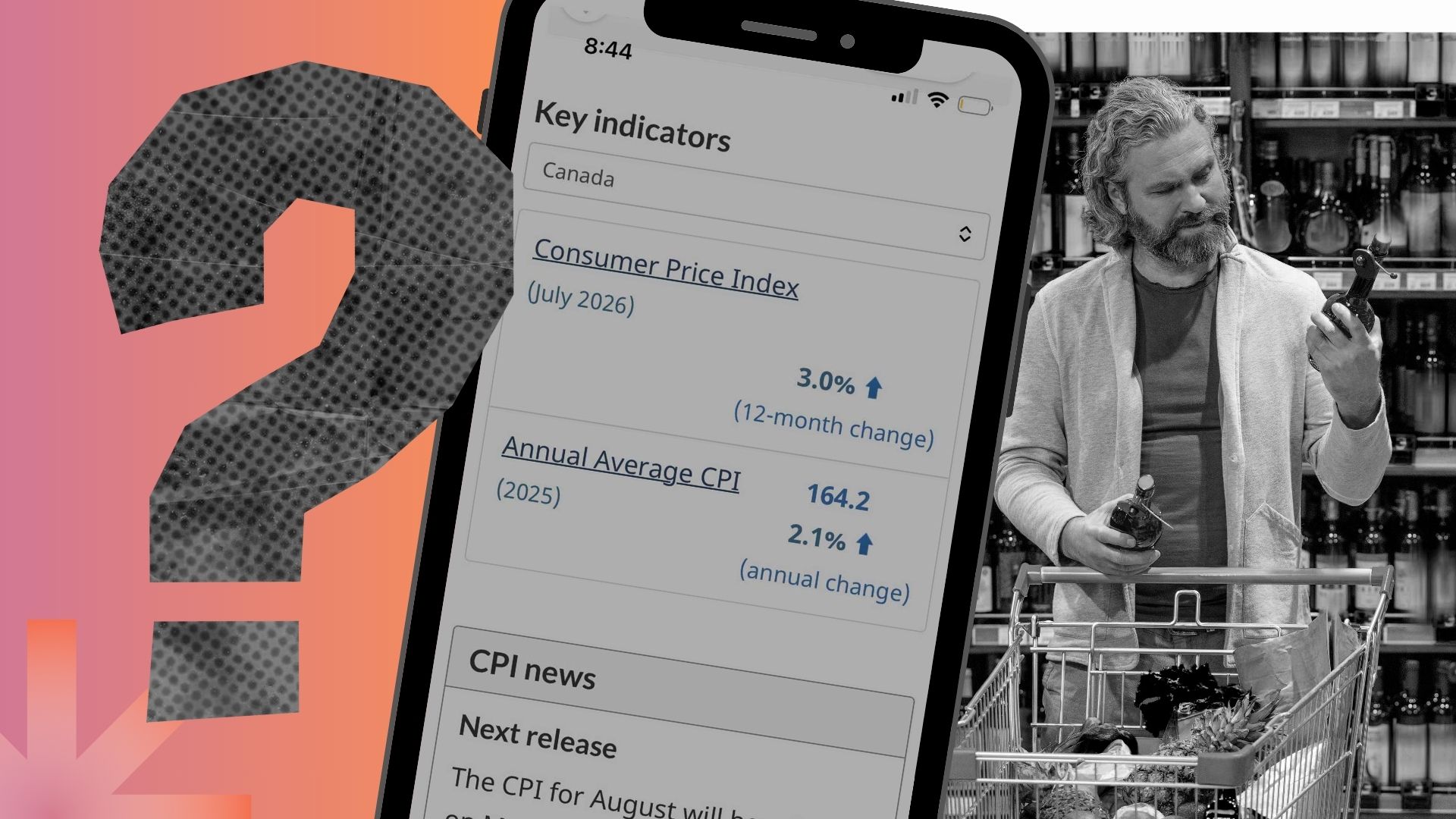
The first thing to check is whether your income is actually keeping up with the cost of living. If inflation is running at 3% (which it roughly is now in Canada) and your raise was only 2%, your paycheque doesn’t buy as much. On paper, you’re earning more, but in reality, your income is not keeping up with growing prices.
Blame lifestyle creep
Even if your income is increasing faster than inflation, another common problem often takes over. As your income increases, your spending usually increases as well.
This doesn’t happen because you’re “bad” with money. It’s a natural response. You might upgrade your phone, buy a new car, eat out a little more often or finally book the vacation you’ve been dreaming about. None of those decisions feel unreasonable on their own. But when enough small upgrades happen over time, they can quietly absorb every raise you get.
What you can do to save more money
It’s completely normal to want to celebrate a raise. The key is to make sure the celebration doesn’t become a permanent increase in your monthly spending. A weekly treat that becomes a habit can slowly crowd out money that could have gone toward savings.
The same idea applies to bigger purchases. Before taking on a larger car payment or making another major life upgrade, ask yourself whether your savings and budget can comfortably support it. Sometimes waiting a few months to save more—or choosing a less expensive option—can make a much bigger difference than you expect.
Consider someone who graduates and lands their first job, earning $62,000, and they diligently saves part of every paycheque by setting up an automatic transfer. As their career progresses, though, each raise is quickly absorbed by a more expensive lifestyle. A promotion to $78,000, for example, helps pay for a new car. By the time they’re earning $110,000, they’re still contributing just $50 a month to a registered retirement savings plan (RRSP); the same amount they’d set years earlier. Income has grown, but savings haven’t.
Keep it simple
If you’re earning more than ever and still not making progress, start with the basics. Take an honest look at your finances. Know what you own, what you owe, where your money is going and what you’re working toward. It’s hard to improve something you haven’t measured.
Next, flip the order of your finances by paying yourself first. Set up an automatic transfer to savings every payday so the money is put aside before it has a chance to disappear into everyday spending.
Whether your raise isn’t keeping up with the cost of living or your lifestyle creep isn’t keeping up with your raise, knowing what’s happening with your paycheques is key. Track your spending for a month to discover where all your money is going. Most people see at least one expense they hadn’t really noticed before. Finding even one habit you can change is often enough to get your savings moving in the right direction.
Oh, and one final tip: If you know a raise, bonus or new job is on the horizon, make a plan for that extra money before it arrives in your account. Decide beforehand how much goes toward spending, saving, investing and paying down debt. It’s one of the simplest ways to make sure every raise helps build your future rather than quietly disappearing into your everyday life.
Robert Gerlsbeck is a freelance editor and journalist. He is based in Kingston, Ont.
Read more from this issue of The Get:
- Friends with money: How income gaps quietly reshape relationships
- What Canadians can do with a windfall
- Celia Sears on making the biggest bet on herself
- Is premium economy worth it?
-0Z8JxEA4UQHCYCogtg0rTsLVPJhlUI.jpg&w=1920&q=75)


The Get is owned by Neo Financial Technologies Inc. and the content it produces is for informational purposes only. Any views and opinions expressed are those of the individual authors or The Get editorial team and do not necessarily reflect the official policy or position of Neo Financial Technologies Inc. or any of its partners or affiliates.
Nothing in this newsletter is intended to constitute professional financial, legal, or tax advice, and should not be the sole source for making any financial decisions. Past performance is not a guarantee of future results. Neo Financial Technologies Inc. does not endorse any third-party views referenced in this content. Always do your due diligence before deciding what to do with your money.
© 2026 Neo Financial Technologies Inc. All rights reserved.