
Publié le 19 octobre 2026 · 5 min read
For this week’s No More Ls column, we’re looking at how much Canadians need to retire, and if it truly is $1.5 million—or even more.
Saving for retirement in your 20s seems like a good idea, as the math looks simple enough: save money, buy a house, and watch your nest egg grow. Everyone tells you: “You have time,” and “Watch your money compound.” However, rising living costs and a stagnant job market have other plans, and talk of needing over a million dollars can make retirement feel impossible, no matter how old you are. But before panic sets in, let’s take a closer look at the reality behind these headlines. Fortunately, most of us don’t need anywhere near as much as we imagine to live well. Here’s why—and how to save enough.
The $1.5 million number
Before you head to r/CanadianRetirement subreddit, let’s put this headline in perspective. On average, Canadians surveyed by Pollara Strategic Insights now believe they need $1.7 million to retire. That figure jumps to $1.9 million in Ontario and a staggering $2.2 million in B.C. Is $1.5 million even enough?
De notre commanditaire


“It’s very much a sentiment survey, in the sense that it tells us more about how Canadians feel about retirement, inflation and financial uncertainty than it does about the actual amount required to retire,” says Marc Sabourin, CFP, CIM, a planner with Winnipeg-based Trans Canada Wealth Management. “Focusing on a specific dollar amount can sometimes distract from the more important question: What kind of retirement are you trying to fund?”
It doesn’t help to fixate on a universal dollar amount or generic benchmark either. Retirement planning is deeply personal, and many variables affect your future income needs. Even the classic advice of “70% of pre-retirement income” can be inaccurate for some Canadians. You need an amount that reflects your actual spending patterns.
“That number gets repeated because it’s easy to print, not because it’s true for most people,” says Keith McConkey, president of Welland, Ont.-based NXS Financial Strategies. “Retirement costs depend on your lifestyle, your health, where you live, whether your mortgage is paid off, and what kind of income you’ll have coming in from CPP, OAS, or a pension. I’ve seen people panic over a number that has nothing to do with their actual situation. The real number comes from your own spending, not a headline.”
Behind the magic number: How to calculate what you actually need
Calculating your personalized retirement target requires looking at your specific timeline, projected lifestyle and reliable income streams.
- Define your retirement timeline and work transition: Determine your target retirement age and how many saving years remain. Clarify whether you plan to stop working completely or transition into part-time work, consulting or freelancing, which can significantly lower the lump sum needed upfront.
- Audit your current baseline expenses: List expenditures such as mortgage payments, tuition expenses or commuting, and map out their exact end dates. If you have five years left on your mortgage and two years until your youngest finishes school, your required cash flow will drop noticeably, before you even hit retirement.
- Project your post-retirement lifestyle costs: Estimate what your day-to-day spending will look like once work-related and debt obligations end. Do you plan on downsizing or staying in your home? Factor in discretionary choices like travel or hobbies, alongside realistic health and medical cost increases that typically arise later in life.
- Calculate your current net worth: To establish your financial baseline, total up your existing assets, including registered accounts, non-registered investments and home equity, less any remaining liabilities.
- Map your future income streams: Add up guaranteed government benefits, like the Canada Pension Plan (CPP) and Old Age Security (OAS), alongside any workplace pensions, as well as when you intend to start collecting benefits. Subtracting these reliable streams from your projected expenses will show any actual gap your personal investments need to cover.
Blind spots that people often overlook
While underestimating your future spending can undermine the best laid retirement plans, not accounting for inflation can be just as problematic, says Sabourin. “A retirement that lasts 25 or 30 years will see costs rise significantly over time, which means the income that feels comfortable today may not feel nearly as comfortable two decades from now.”
There’s another common oversight, says Sabourin: focusing entirely on accumulating assets without giving proper thought to a tax-efficient withdrawal strategy. And that can cost you tens or even hundreds of thousands of dollars over the course of retirement.
“The biggest mistake, though, is treating retirement as a single event instead of a 25- to 30-year period with different phases,” says McConkey. Those phases include periods of travel, needing to down-size, accessing care and so on.
“Spending patterns in the first active decade of retirement can look very different from spending in later years. Planning around one flat number for the entire journey can leave people either spending too much early on or being unnecessarily cautious later.”
Smart steps to take if you feel behind
“The highest-impact move you can make is to get clear on where you stand today,” says Sabourin. This means getting a handle on your spending and taking stock of what you already have in savings. Armed with hard data, you can then decide what steps to take next. “Focus on the levers you can actually control: saving more, working a little longer if necessary, paying down high-interest debt and making sure investments are aligned with long-term objectives.”
While most Canadians know they should be saving for retirement, the rising cost of living is eroding their ability to save. Retirement anxiety over running out of money is real for some Canadians, but it doesn’t need to keep you up at night. Crunching the numbers with a certified financial planner can help you bring clarity–and control–to your future.
“For someone who’s panicked about running out of money, I tell them the same thing every time: panic is not a plan, but it is useful information,” says McConkey. “It usually tells me we haven’t built something concrete for them to hold onto yet. Once we lay out actual numbers, income sources and a realistic spending plan, the fear usually drops quickly. The unknown is usually much scarier than the number itself.”
Read more from this issue of The Get:

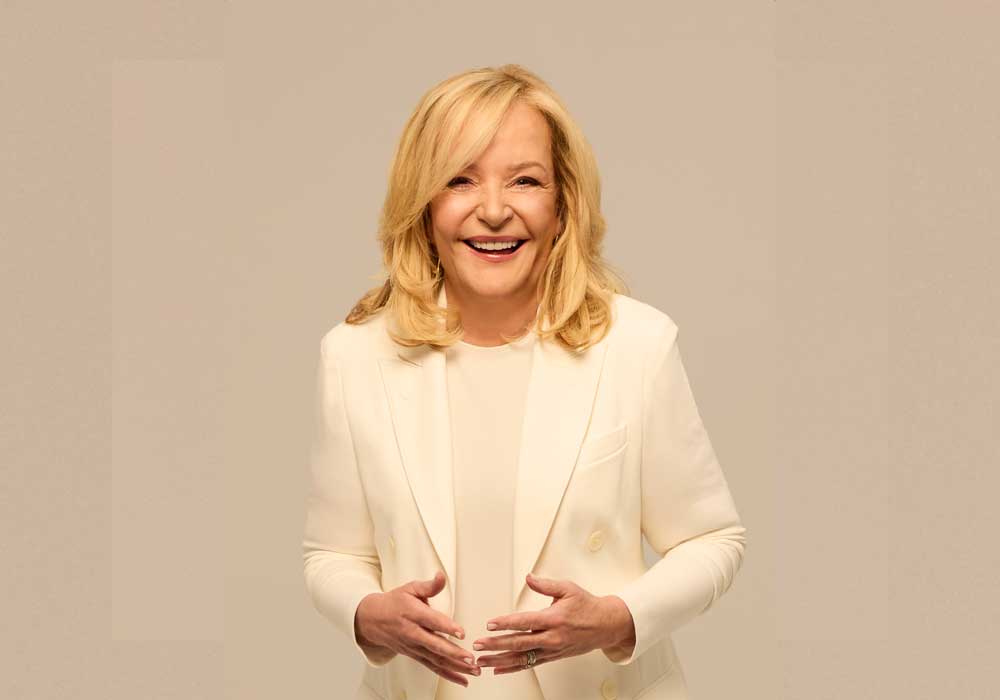
Fiona Campbell
Fiona Campbell has been a journalist, writer and editor for over 20 years. She has written for Forbes Advisor, RBC Insurance, The Globe and Mail, Bankrate Canada, and others. She loves decoding personal finance to help educate and empower Canadians to see money as a tool, not a source of source of sleepless nights.


The Get is owned by Neo Financial Technologies Inc. and the content it produces is for informational purposes only. Any views and opinions expressed are those of the individual authors or The Get editorial team and do not necessarily reflect the official policy or position of Neo Financial Technologies Inc. or any of its partners or affiliates.
Nothing in this newsletter is intended to constitute professional financial, legal, or tax advice, and should not be the sole source for making any financial decisions. Past performance is not a guarantee of future results. Neo Financial Technologies Inc. does not endorse any third-party views referenced in this content. Always do your due diligence before deciding what to do with your money.
© 2026 Neo Financial Technologies Inc. All rights reserved.