
Reader Questions
What can a retiree do to increase their income?
By Terry Wright
As told to Robert Gerlsbeck
Publié le 19 octobre 2026 · 4 min read
Here’s the answer to this week’s reader question about how to increase income when you’re retired.
What can retirees do to increase their income?
—Jon
Ways to earn extra income after you retire in Canada
Many retirees ask me some version of the same question: “I’m retired, but I need more money coming in. What can I do?” First, understand that once you’ve stopped working, you don’t have a lot of options for bringing in more money.
Working in retirement
One thing you can do is get a part-time job. That can mean finding work in a store, a flower shop or somewhere else where your interests and lifestyle intersect.
You could also look for ways to earn some money from whatever profession you worked in before retirement. If you were an accountant, for example, you could take on some bookkeeping for local businesses or find a few clients here and there to supplement your pension income.
Use your home for income
Another option, if you have the space in your home, is to rent out a bedroom or your basement. This can bring in additional rental income. But be warned: being a landlord, and taking on the responsibilities that come with it, isn’t for everyone. And you may not enjoy having someone else living in your house. Consider the pros and cons before you have someone move into your place.
How to save money when you’re retired
I often think the better question isn’t about earning more money in retirement, it’s “How do I find more spending money by saving on unnecessary expenses?” So, before you start researching additional income streams, look at where your money is going.
When you’re working and earning a regular paycheque, you can be pretty relaxed about some of your expenses. But when you’re living on a fixed income, even an extra $10 or $20 in monthly banking fees or $5 here and there at Starbucks matters.
You need to go through your bank statements for recurring costs, including subscriptions. Are you paying for things you barely use? Do you really need the expensive gym membership? Is that golf membership worth what you’re paying for it? You don’t have to eliminate everything you enjoy. Just make sure you’re getting enough value from the money you’re spending.
De notre commanditaire


Are you ready to downsize?
Housing is another big one. I often encourage retirees to consider downsizing. You’ve likely built an emotional attachment to the home you may have lived in for decades, so I understand why this can be a difficult move. But once your kids leave home and you’re retired, all those extra rooms add up to space you may not really need.
A smaller home or condo can potentially free up money and reduce the ongoing costs and work that come with owning a large, detached house.
Don’t forget to add government benefits to your budget
As you near retirement, you should also start to look at what you expect to earn from the Canada Pension Plan (CPP) and Old Age Security (OAS). If you’re looking for money, you can opt in before your 70th birthday. On the other hand, if you wait until you turn 70, your OAS payment will be 36% higher than it is when you’re 65. CPP will be 42% higher.
But deciding when to opt in will be different for everyone. Some people can’t keep working or don’t have enough savings to get them to 70. Your financial situation will determine whether you can delay receiving these government payments.
Read before retirement
Now, Jon, I realize you’re retired, but I wanted to share some thoughts for other readers who may not yet have retired.
Start thinking about your retirement income before nearing your last days of work. When you’re working, you have a lot more flexibility. If your retirement plan isn’t where you want it to be, you can save more, work another six months or a year, change your spending or adjust your plan.
Once you’ve retired, it’s much harder to go back and change those things.
That’s why I emphasize planning before you retire. Five to seven years out, start looking at where your money is actually going. Go through six or 12 months of bank statements. Figure out which expenses will disappear—perhaps your mortgage or costs associated with raising children—and which ones will continue. Then think about what you might want to spend more on, such as travel.
From there, you can work backward. How much do you need each month? How much will come from CPP, OAS, a pension or other sources? And how much needs to come from your investments?
That’s the conversation you want to have while you’re still working. The earlier you identify a gap, the more time you have to address it.
Retirement is a huge change. You go from earning and saving money for decades to spending it. The more work you do to prepare for that transition, the more flexibility you’ll have when the time comes.
Read more from this issue of The Get:

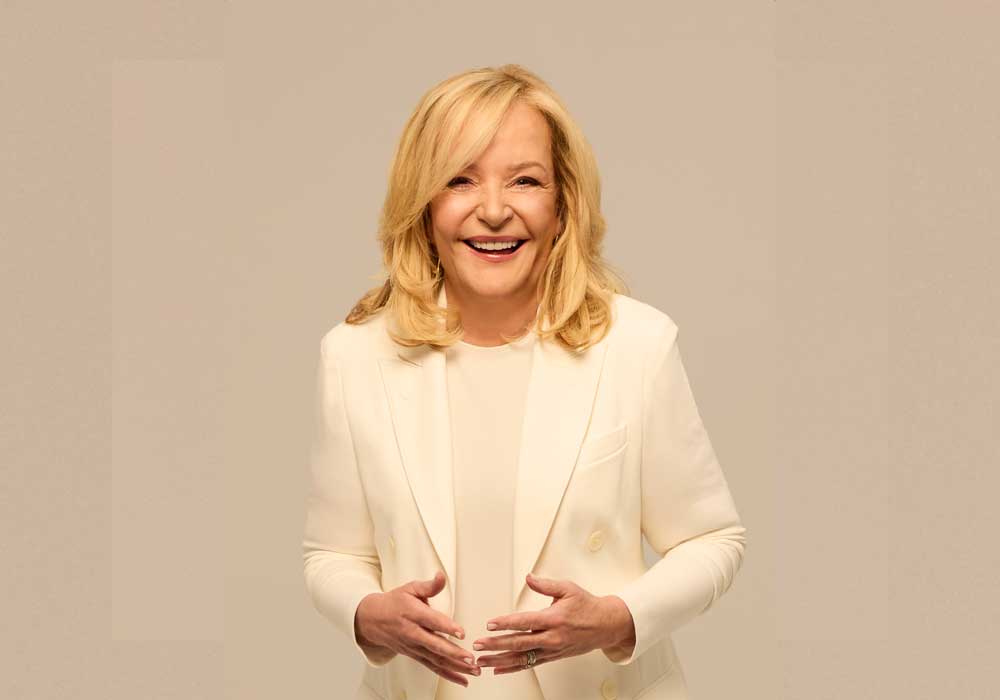
Terry Wright
Terry Wright, CIM, is a wealth advisor and founder of LT Wealth Management Partners in Vancouver.

Robert Gerlsbeck
Robert Gerlsbeck is a freelance editor and journalist. He is based in Kingston, Ont.


The Get is owned by Neo Financial Technologies Inc. and the content it produces is for informational purposes only. Any views and opinions expressed are those of the individual authors or The Get editorial team and do not necessarily reflect the official policy or position of Neo Financial Technologies Inc. or any of its partners or affiliates.
Nothing in this newsletter is intended to constitute professional financial, legal, or tax advice, and should not be the sole source for making any financial decisions. Past performance is not a guarantee of future results. Neo Financial Technologies Inc. does not endorse any third-party views referenced in this content. Always do your due diligence before deciding what to do with your money.
© 2026 Neo Financial Technologies Inc. All rights reserved.