Publié le 20 juillet 2026 · 5 min read
By Stephen Aubert, CPA, tax accountant and owner of Stephen Aubert CPA Professional in Toronto
As told to Ian Portsmouth.
Here’s the answer to this week’s reader question.
Who reviews tax returns at the CRA? In 2025, when I submitted my tax return, I was assessed and received a refund of $80. Then in January 2026, I received an email from CRA. I logged into My Account and was told my 2025 return had been reassessed and that I actually owe the CRA $1,138.39. Is this possible? Should I ask them to review it a third time?
—May
What can you do if your tax return has been reassessed in Canada?
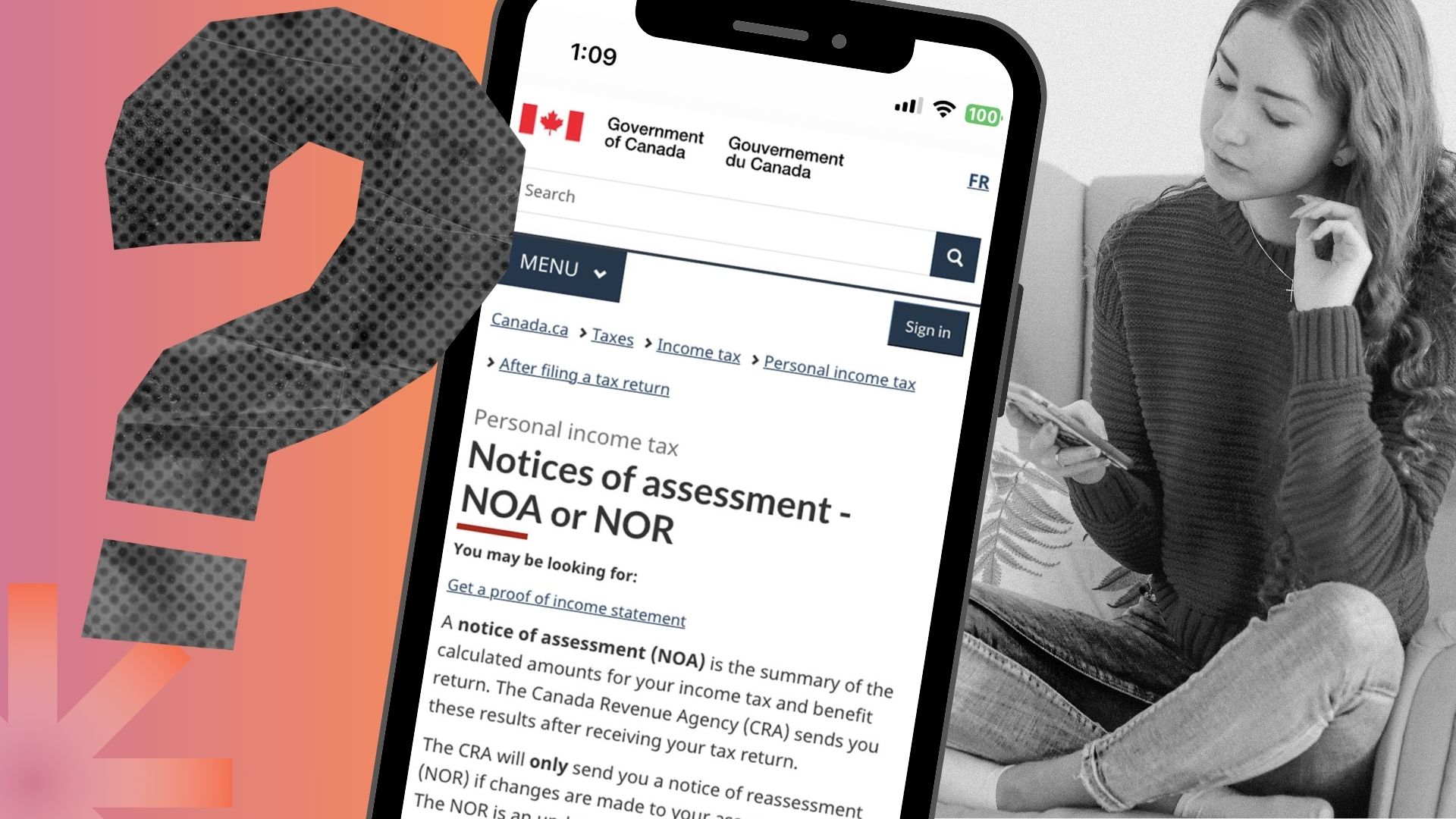
After you’ve filed your annual income tax return and received your notice of assessment (NOA) from the Canada Revenue Agency (CRA), it seems fair to conclude the matter is done. After all, an NOA typically reflects the numbers you reported on your return, making it seem like your return has been accepted and approved. So, suddenly receiving a notice of reassessment (NOR) that says you owe hundreds or thousands more in tax can be shocking, especially if you paid a professional to prepare your tax return.
Fortunately, the process doesn’t have to end there. You have the right to dispute the reassessment, and many taxpayers obtain favourable outcomes when they push back against the CRA. But your best response depends on whether errors were made in filing or assessing the return—and whether you can prove it.
Why isn’t a notice of assessment final? Who is reviewing your return?
Although an NOA might seem like the CRA’s final word on your tax return, it’s usually based on a quick, automated assessment that isn’t subject to human review. In fact, the CRA normally has the right to review a return up to three years after issuing the NOA—even longer in some cases, such as when fraud is suspected.
Why are some returns reassessed?
Because Canada’s tax system relies mostly on self-reporting, the CRA must review a large number of returns to encourage accurate reporting and deter wilful omissions and misrepresentations. Some returns are randomly selected for review, while others are flagged due to the nature of the deductions claimed or because the taxpayer has a history of inaccurate or dishonest reporting.
A review can also be triggered by a simple mismatch between the return and information supplied by third parties, such as employers, banks and others. It’s not unusual, for instance, for taxpayers to file their return before all their T-slips are issued, accidentally causing a discrepancy between their reported and actual income.
Depending on the cause for the review, you might not even know it’s happening. If the CRA challenges claims on your tax return, such as the cost or eligibility of your medical expenses, you’ll receive a notice asking you to provide receipts or other supporting documentation within a specified time frame, usually 30 days. But if the CRA believes it has enough information to complete its review and determines your return should be modified, you’ll receive an NOR without warning.
An NOR doesn’t always bring bad news, but it usually means you owe money.
What to do when you receive an NOR
First, check the NOR for any response deadlines. Normally, you’ll have 30 days from the date of the notice to pay off any balance owing before interest kicks in, and 90 days to submit a notice of objection if you intend to file a formal dispute.
Next, figure out what the CRA changed and why. You’ll find this information in two key sections of the NOR:
- The tax reassessment summary, which provides a line-by-line comparison of the CRA’s previous assessment and the reassessment.
- The explanation of changes, which provides a simple rationale for each modification.
If you agree with the reassessment
Try to pay off any balance owing before the 30-day deadline. If you can’t, you might be able to arrange a payment plan and even obtain relief from any penalties or accrued interest. You can discuss these options with a CRA representative by calling 1-888-863-8657.
If you disagree with the reassessment
You can’t simply ask the CRA to review your return again. Instead, you have two options:
- If you believe the reassessment is wrong because you made an error or omission that worked against you, you have 10 years from the date of the original NOA to request a change to your return. Chances are you’ll have to support your request with additional documentation.
- If you believe the reassessment is wrong because the CRA misinterpreted the facts or misapplied the law, you have 90 days to file a notice of objection. This starts a formal dispute process, although it’s limited to certain situations.
Many taxpayers’ concerns stem from misunderstandings that can be cleared up with a phone call, so try to discuss your issue with the CRA before taking further action. The number to dial is 1-800-959-8281 or, if you live in the territories, 1-866-426-1527.
If you still decide to challenge the reassessment, consider paying any balance owing up front—because if your challenge fails, you’ll have to pay the balance plus interest, which continues to accrue during the resolution process.
But, how complicated is your tax return?
Most people have straightforward tax returns they can prepare themselves. But if you have a more complicated return—say, if you’re self-employed or have property or investment income—a professional tax accountant can help you avoid the kinds of errors, omissions and questionable claims that can trigger a review.
Similarly, you can take on the CRA without the help of an accountant (or lawyer) if you feel you’re well equipped to answer the CRA’s questions, make a good argument for yourself and keep your emotions in check.
Wrestling with tax authorities can cause a lot of frustration and anger, which is why some people delegate the job to an impartial third party who deals with the CRA regularly. Taking the emotion out of the process might be the best reason to bring in a professional.
Ian Portsmouth is an award-winning writer and editor specializing in business and personal finance. He is based in Toronto.
Read more from this issue of The Get:



The Get is owned by Neo Financial Technologies Inc. and the content it produces is for informational purposes only. Any views and opinions expressed are those of the individual authors or The Get editorial team and do not necessarily reflect the official policy or position of Neo Financial Technologies Inc. or any of its partners or affiliates.
Nothing in this newsletter is intended to constitute professional financial, legal, or tax advice, and should not be the sole source for making any financial decisions. Past performance is not a guarantee of future results. Neo Financial Technologies Inc. does not endorse any third-party views referenced in this content. Always do your due diligence before deciding what to do with your money.
© 2026 Neo Financial Technologies Inc. All rights reserved.