Mis à jour le 8 juillet 2026 · Publié le 6 juillet 2026 · 4 min read
By John Stapleton, fellow, National Institute on Ageing
As told to John Loeppky.
Here is the answer to this week’s reader question.
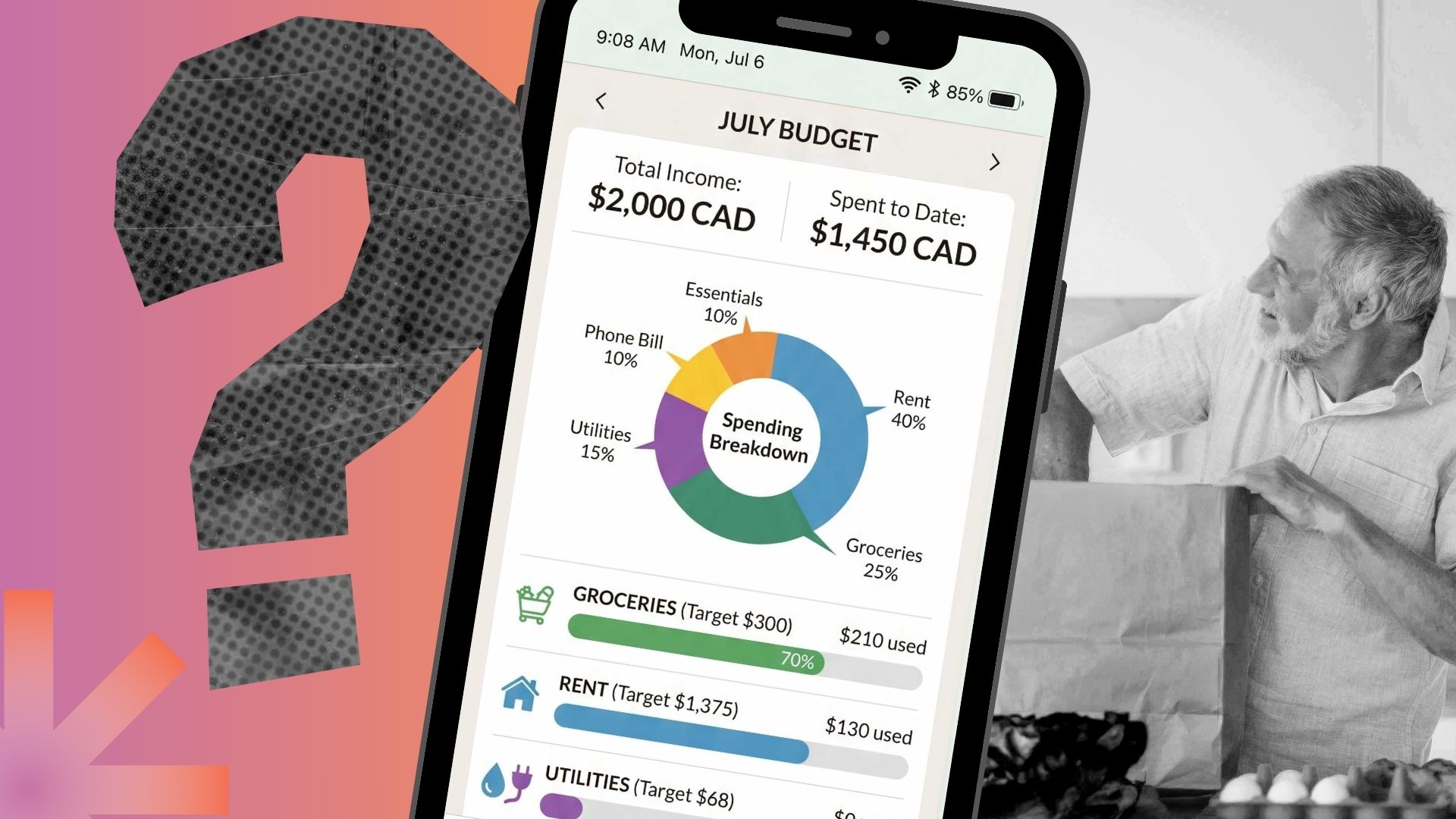
I’m not financially able to live on my $2,000 per month pension. My rent is $1,375 per month, and I have a $68 storage unit cost, plus my phone bill is $60 per month. I’m left with little money for food and other necessities like laundry and cleaning materials. I would appreciate it if you can help me with whatever you can.
—Paul
How to live on a pension in Canada
I think you’re asking the question, “Since I don’t have enough income to be able to afford living comfortably, what can I do?” Well, $2,000 a month is going to basically keep you from qualifying for welfare or disability assistance. You’re at the limits that those benefits programs allow. However, $24,000 a year leaves you around the poverty line (even in the least expensive parts of the country).
In Canada, we used to have a lot of advocacy for income adequacy. Now most poverty advocacy is done by food banks and food insecurity organizations, and by those involved in encampments, shelters and empowerment groups. They support people to do better with their money, if they have any, and can also help with filing tax returns, and more.
You’ve got to go after and apply for these supports. They don’t come easily. If you can get basic necessities or other services paid for, like subsidized rent or money for groceries, then you can pay for other things you might need.
In Toronto, for example, WoodGreen Community Services and various former settlement houses help people access services, and they have community-level navigators that can provide assistance. A skilled benefit navigator almost always finds something—they leverage their knowledge and community connections to find additional support for those struggling.
And, I’ve led over 140 low-income retirement seminars, and I’ve been part of over 50 roundtables with welfare recipients in Ontario, and in each instance there are supports that participants haven’t unexplored.
When it comes to housing costs, do you have a friend or a family member you could move in and share the rent with? If you live near a post-secondary school—as many seniors do—consider if you have a room you could rent out to a student. Also, there are various agencies that put people together where cost sharing can be successful. They act as a go-between to help you find a good fit for your living situation so that you can reduce your costs. That will give you wiggle room with your pension. Reducing other costs is better for you than reducing rent. If you’re on assistance, when you pay less rent, the less money you get from the government will receive.
For food and other necessities, for years I monitored the so-called “welfare diet” in Ontario. What I discovered, much to my surprise, is that when I shopped at a retail food store that middle-class people would shop at, and then shopped for the same groceries the same day at No Frills, it cost me exactly the same.
If you have a fixed grocery list, it’s going to cost you the same at the high end or low end store within a few pennies, but if you can substitute, you can save money. You can do this by adapting in the kitchen so that your meals use what’s on sale, like a different brand of pasta or variety of lettuce.
And if you have a bit of money squirrelled away, consult an advisor. Of course, financial institutions will offer free advice, but often the value of the advice is what you paid for it. Look for an independent advisor, one who is working for you and understands how various support systems work.
John Loeppky is a British-Canadian journalist currently living and working on Treaty 6 territory in Saskatoon. He is writer and host of History in 60, a television show focused on Canadian disability history that airs on Accessible Media Inc (AMI).
Read more from this issue of The Get:


The Get is owned by Neo Financial Technologies Inc. and the content it produces is for informational purposes only. Any views and opinions expressed are those of the individual authors or The Get editorial team and do not necessarily reflect the official policy or position of Neo Financial Technologies Inc. or any of its partners or affiliates.
Nothing in this newsletter is intended to constitute professional financial, legal, or tax advice, and should not be the sole source for making any financial decisions. Past performance is not a guarantee of future results. Neo Financial Technologies Inc. does not endorse any third-party views referenced in this content. Always do your due diligence before deciding what to do with your money.
© 2026 Neo Financial Technologies Inc. All rights reserved.