Publié le 6 avril 2026 · 5 min read
For this week’s top story, we’re looking at the cost of FIFA World Cup tickets and how Canadians can find tickets to buy.
The FIFA World Cup 2026 kicks off in June, but for many fans the hardest part is already happening: getting a ticket.
De notre commanditaire
.png-rLGFSx980jA3P5rYPd5UninHnqZPU4.png&w=1920&q=75)

With more than 500 million requests submitted during early sales phases and demand expected to push attendance past the tournament’s all-time record, access has become its own competition. The final window for ticket sales opened April 1, but fans may have more luck purchasing tickets through FIFA’s official resale marketplace.
There’s a massive range in ticket prices. Fans lucky enough to nab one of the few Supporter Entry Tier tickets available for each match will only have to pay USD$60 (approximately $85).
On the other end of the spectrum, the priciest resale tickets (at field level) to see Canada play in Toronto were listed, at press time, for more than $125,000 on StubHub. For most Canadian soccer fans (or football supporters, depending on your background), though, the reality is simple: ticket prices are just the tip of the iceberg.
Paying for the memories
For Vancouver’s Adrian Brijbassi the strategy was clear from the start: skip the lottery, pay for certainty.
“I knew the chances of getting tickets at face value were extremely low,” he said. Instead, he bought a hospitality package—one of the few guaranteed ways to secure seats. The cost: a staggering $24,000 for two tickets across four matches, including premium food, drinks and early venue access.
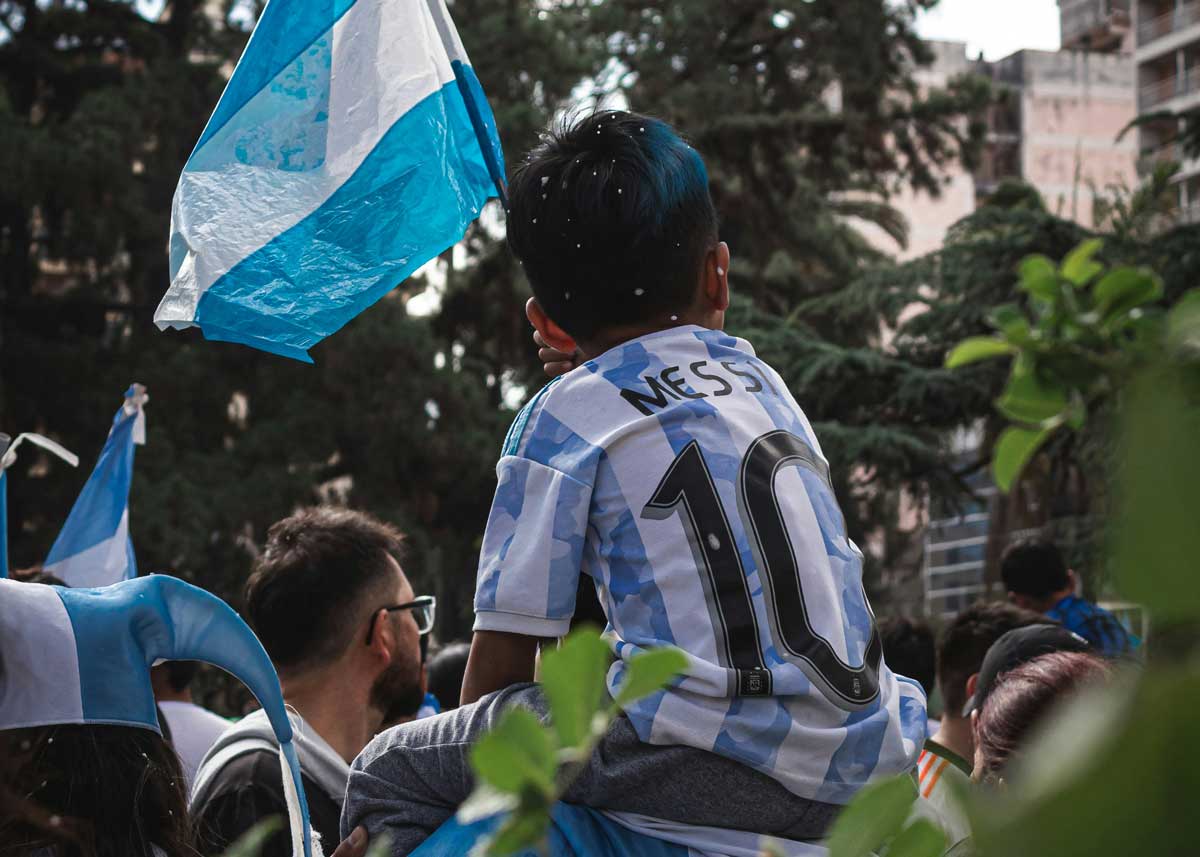
It wasn’t just about the games. It was about the experience. He’s taking his eight-year-old son. With Canada co-hosting and its national team on the rise, the timing seemed too significant for Brijbassi to pass up. “These are things that become core memories,” he said. He also made one practical decision: choosing Vancouver to avoid travel costs entirely.
That balance—emotional value versus financial trade-offs—is defining how many fans are approaching this tournament. Because for most, the ticket is just the starting point.
One way to think about the true cost of attending is through the “Fan Cost Index,” a metric from Team Marketing Report that estimates the full price of a night out at a sports event. It includes the cost for a family of four to attend after buying average-priced tickets, parking, two beers, four soft drinks, four hot dogs, two game programs and two pieces of merchandise (usually hats).
In the NHL, that total can range from roughly $285 to more than $700 for a family of four, with Maple Leafs games being the most expensive in the league, according to data from the 2023-24 season.
FIFA has not yet confirmed the costs of any of the extras, but the principle holds: the ticket is only part of the expense. Once you add travel, accommodations, meals and extras, the total can quickly multiply—making it all the more important to plan the full trip, not just the seat purchase.
How FIFA World Cup resale tickets work
For fans who missed the initial ticket sales, the resale market is another viable opportunity.
FIFA’s official resale and exchange marketplace allows ticket holders who can no longer attend to sell seats through an authorized platform. It is the safest secondary option and the one FIFA recommends fans use.
But it’s not simple.
The algorithmic prices move constantly based on matchups, host city and timing, and there is a 15% fee for using the service. Early resale listings tend to be expensive because these buyers will pay more for the certainty of having a ticket in hand. Closer to match day, prices can drop if sellers are trying to unload inventory. They can also rise if demand spikes. Check for tickets often, stay flexible with the matches you want to attend and be ready to move quickly.
Beyond FIFA’s ticket platform, third-party resale sites such as StubHub and SeatGeek will also have tickets. But those come with more risk, and FIFA does not guarantee their validity.
Not all host cities cost the same—flexibility can pay off
Where you go matters just as much as whether you go.
Boston is one city expecting to see particularly high demand, as it’s set to host strong and popular teams including England, France and Norway. But that demand comes with opportunity. Boston could be one of the more appealing options for Canadian fans because the city is making a direct pitch on value, even despite the exchange rate.
“For Canadian fans coming to Boston for World Cup matches this summer, they will find great value as part of that investment,” says Dave O’Donnell, vice president of strategic communications at Meet Boston.
Airlines are making it easier for fans to get to Boston, he explains “including Porter adding flights from Toronto and Montreal, jetBlue adding flights from Vancouver, Delta and American from Halifax, and WestJet adding routes from Calgary—and this will help visitors to shop for competitive rates.”
There is also flexibility once fans arrive. While accommodations in Toronto and Vancouver have largely sold out already, many hotels in Boston still have availability throughout the World Cup and are actively courting Canadians. For example, Hotel Revere Boston Common is offering 15% off to Canadian residents.
Plus, there’s free stuff.
“Best of all, the major events of the summer—FIFA Fan Fest at City Hall Plaza, the Tall Ships Festival, Harborfest and Boston Pops Fireworks Spectacular—are all free and open to the public, not to mention other free summer traditions in Boston such as Shakespeare on the Common and our North End Feasts,” says O’Donnell.
That’s the argument for fans considering a host city outside Canada: the ticket may hurt, but the trip can still be built in a way that feels worthwhile. As we’ve seen from the Jays’ World Series run in 2025, some fans just want to be in the city and watch the game in a bar: How much would you spend on playoff tickets?)
Are the tickets worth the price?
For some soccer (or football) fans, the answer will be no. The prices are high, and the trade-offs are real.
But for others, the value is simpler—it’s about being there for a moment that doesn’t come around often, and sharing it with the people who matter most.
As Brijbassi put it: “It’s something my son is going to remember for his whole life.”

Jolene Latimer
Jolene Latimer is an Emmy Award–winning journalist. She has a Master of Arts in Specialized Journalism from the University of Southern California.



The Get is owned by Neo Financial Technologies Inc. and the content it produces is for informational purposes only. Any views and opinions expressed are those of the individual authors or The Get editorial team and do not necessarily reflect the official policy or position of Neo Financial Technologies Inc. or any of its partners or affiliates.
Nothing in this newsletter is intended to constitute professional financial, legal, or tax advice, and should not be the sole source for making any financial decisions. Past performance is not a guarantee of future results. Neo Financial Technologies Inc. does not endorse any third-party views referenced in this content. Always do your due diligence before deciding what to do with your money.
© 2026 Neo Financial Technologies Inc. All rights reserved.