Publié le 15 juin 2026 · 6 min read
For this week’s Reality Cheque, we’re looking at how much weddings really cost.
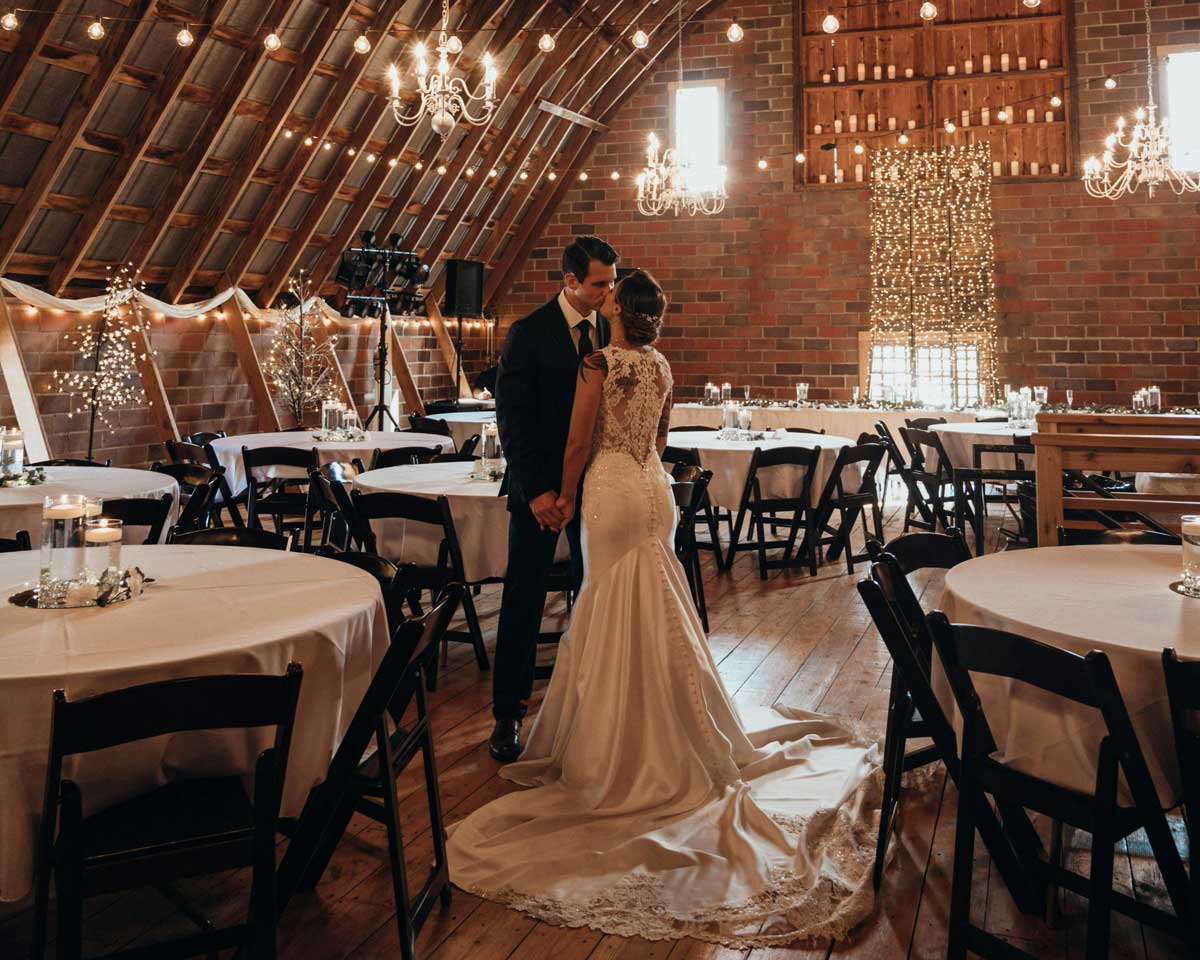
Well before Emily Howes McCusker and Troy McCusker were engaged and started planning their September 2025 wedding, she had already done a ton of research on what the day would look like and cost.
“I looked into venues and vendors just to have an idea of options,” says Howes McCusker, a Toronto-based stylist who owns Elegant Events by Em. With the engagement, the research became more focused. “We started planning shortly after we were engaged and had 11 months to get everything together. We were mostly aligned on our spending, but I had to rein in my husband a bit with a wedding spend breakdown to show him it was going to cost a lot more than he originally thought. Once we had that conversation, we were both very involved in the decisions on how to allocate our money and what was most important to spend it on.”
Weddings by the numbers
There’s no sugar-coating the facts: Weddings are wildly expensive. If you have never planned one before, you probably have no idea how much anything costs, never mind the fact it’s possible to blow your entire wedding budget on flowers. Of course, cost is contingent on many things, including wedding size, location, season and event elaborateness.
A recent article in Vogue broke down the cost of real weddings covered by the media brand. The story has had the internet buzzing over the staggering price tags. (All figures reported in this article have been converted into Canadian dollars.)
The top spend reported in the article was for a lavish weekend wedding in Tuscany for 108 guests which clocked in at over one million euros (the fashion budget alone was $40,000). Closer to home, an intimate Canadian wedding for 50 guests had a budget of just over $110,000.
This price tag is significantly higher than the average cost of a wedding in 2026 (because #vogue). Though there’s not a lot of definitive data out there specific to Canadian weddings, U.S.-based wedding platform The Knot does have a good baseline of numbers to reference. According to The Knot's 2026 Real Weddings Study, a survey of over 10,000 U.S. couples, the overall average wedding cost in 2025 was $47,000.
Not a small chunk of change, but is this estimate even remotely accurate? Yes and no.
Wendy La, owner of wedding planning company WLA Events, says if you consider that many couples are focused more on intimate guestlists, this estimate hits. What you are getting for that dollar amount is a very meticulously curated and cost-controlled event that translates to cutting back on everything from guest count to cake.
“Keeping costs down means being prepared to invite less people and editing out the extra expenses which can include the wedding dress, wedding cake, favours and live entertainment,” La says. “If you are chasing Pinterest boards, TikTok trends and trying to one-up friends, you will definitely pay for that, and those costs add up very quickly.”
The budget breakdown
So, where exactly does a wedding budget go? La says there are four big areas of investment: the venue and catering; decor; photography, videography and content creation; and entertainment. The venue and food are the biggest spend, anywhere from 20% to 40%—or more—of the total wedding budget. Howes McCusker reports this was the biggest expense at her wedding, taking up 58% of the budget.
Decor takes 10% to 15% of a wedding budget, and La reports it can be one of the most unassumingly expensive areas. “Most people have no idea how much florals cost, especially if you have requests for specific blooms and colours,” La reveals. “While candles are perceived to be more economical, they actually require significantly more labour to prep and clean which drives up costs.”
Photography, video, and content creation typically account for 7% to 10% of a wedding budget, and entertainment can also take another 10% or more, depending on the show you want to put on for your guests.
La warns that hidden fees from service providers can also notch up spending. “These can increase the budget by up to 30%,” La says, and many couples are caught by surprise “if venues and vendors are not upfront about them. Even if these costs are in the fine print, seeing the final bill can be very alarming.”
That leaves the rest of the typical wedding expenses: fashion, a wedding planner, invites and stationary, guest favours, transportation, wedding rings and a honeymoon, though some couples allocate a separate budget for that.
How to afford your wedding
To eliminate spendy surprises, La has a few smart suggestions. Sign on with an all-inclusive venue that provides tables, chairs, tableware, linens and wait staff. “Too many venues today require you to bring in all these elements separately, which majorly [affects] costs.”
The old strategy of getting married in the off-season still holds, but La says what’s changed is that timeline has become shorter. “Wedding high season has now stretched to include what once were shoulder months, which means it runs from April through to November,” she explains.
“Getting married in the off-season can save you a few thousand dollars on venue rental fees and hundreds on vendor costs. Another opportunity to save is to have your wedding on a weekday. Some venues still offer discounts on those days, even during the high season.”
The biggest secret to wedding affordability, though, comes down to you and strictly managing your “I do” fund. “From the moment you create that budget and agree on it, you have to lock in,” La says. “Always include a contingency budget for emergencies, but only dip into it if you absolutely must.”
And if wedding spending starts to go sideways? La suggests taking a time out to block out the noise, recalibrate and consider what really matters.
“I always encourage conversation focused on where the extra costs are coming from,” La says. “Is it because of someone else’s expectations? Something you saw as a trend? Talk about how it would make you feel if you didn't have that element at your wedding. Then discuss what you want to remember about your wedding day—not what you want your guests to remember—and remove all the extra fluff that doesn't align with that.”
Howes McCusker echoes this sentiment, and shares it was a valuable lesson she learned planning her own wedding. It’s also savvy intel she now shares with her own to-be-wed clients.
“Social media makes it seem like if you don’t customize every aspect of your day, your guests will judge you. They are there to witness your marriage, create memories, enjoy some great food, drinks and time together. They won’t remember the flip-flops or merch you provided during the reception.”
Read more from this issue of The Get:

Alison McGill
Alison McGill is an award-winning editor, writer, brand strategist, media personality and podcast host. Renowned as one of Canada's leading wedding experts, Alison is currently a regular contributor to ELLE Canada, The Kit, The Toronto Star, and others.

The Get is owned by Neo Financial Technologies Inc. and the content it produces is for informational purposes only. Any views and opinions expressed are those of the individual authors or The Get editorial team and do not necessarily reflect the official policy or position of Neo Financial Technologies Inc. or any of its partners or affiliates.
Nothing in this newsletter is intended to constitute professional financial, legal, or tax advice, and should not be the sole source for making any financial decisions. Past performance is not a guarantee of future results. Neo Financial Technologies Inc. does not endorse any third-party views referenced in this content. Always do your due diligence before deciding what to do with your money.
© 2026 Neo Financial Technologies Inc. All rights reserved.