Published on June 15, 2026 · 6 min read
By Bruce Sellery, CEO, Credit Canada
As told to Ian Portsmouth.
Here’s the answer to this week’s reader question.
“How can I rebuild my credit and save?”
—Josie
How do you prioritize between saving and boosting a credit score?
We live in a time when credit and savings are practical necessities. Most of us need credit to make major purchases, such as home renovations, vacations and cars. Savings help us fund retirement or a child’s education, make down payments on a home, and cope with financial shocks, such as job loss.
Although we need both credit and savings, they can seem like competing goals. After all, conventional wisdom is that you must use credit to get credit; in other words, borrowing money and paying it back makes lenders willing to lend you more money on better terms.
But what do you do with the money you borrow? Typically, you spend it—which means you’re not saving. The interest you pay on the credit you use doesn’t go into your savings, either.
Myth: You need to spend more money to build credit
It’s a mistake to assume that building credit requires you to borrow a lot of money, pay interest on all of the money you borrow, or spend money you otherwise would have saved. While you do need to use credit responsibly, you don’t need to overspend. And there are other ways to build credit that won’t impact your ability to save; some can even help you save.
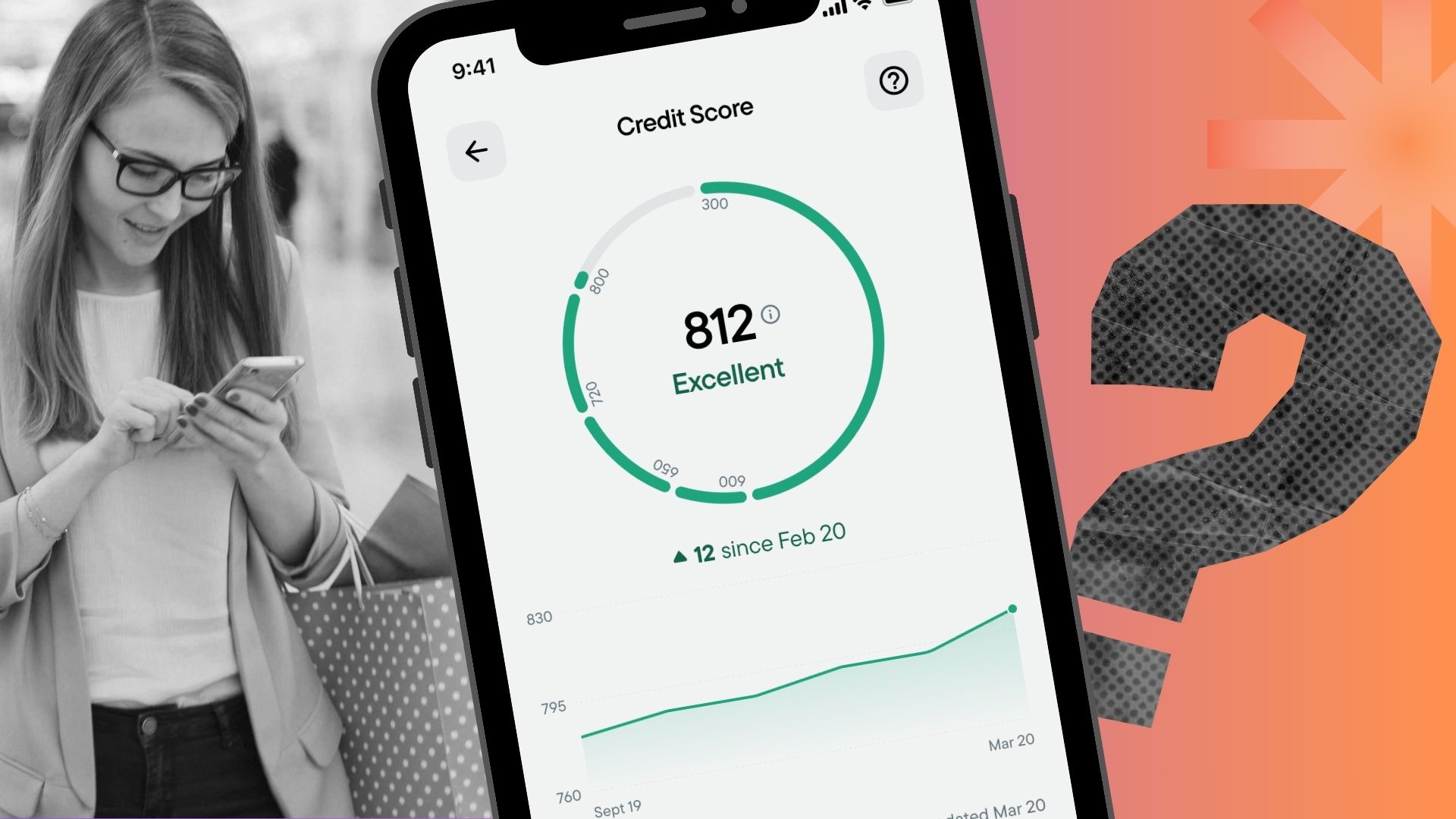
The key to building credit while saving is to have a clear understanding of two separate parts of your financial life. The first is what drives your credit score. The second is what influences the ability to spend less than you earn, giving you a surplus you can save for the future.
Which factors drive your credit score?
Let’s start with the six key variables that influence your credit score:
- Payment history: Make your bill payments on time, every time—particularly the payments that are reported to Canada’s two major credit bureaus: Equifax and TransUnion. These organizations calculate your credit score and produce your credit report, which you can request from them at no charge.
- Credit utilization: This is the total credit you have used as a percentage of the total credit you have, excluding term loans (e.g., a mortgage or auto loan). For instance, a $500 balance on a credit card with a $1,000 limit equals 50% credit utilization.
- Credit history: The long you’ve held your credit accounts for, the better it is for your score. So, it helps to keep credit accounts open even after you stop using them.
- Hard inquiries: These are credit checks made by lenders when you apply for credit. Every hard inquiry stays on your credit report for several years and counts against your credit score, so don’t apply for credit if you don’t need it.
- Credit mix: This considers the number of different kinds of credit you have (e.g., credit card, line of credit, mortgage). It’s a minor factor if you’re struggling to build credit, however, because a low credit score will restrict your ability to acquire new credit products at all.
- A clean credit record: You don’t want your credit file to show that unpaid bills have been sent to a collection agency or that you’ve participated in a debt-consolidation program or a consumer proposal, any of which will cause significant damage to your credit score.
What’s missing from the list above is the total amount of credit you use—because it doesn’t matter. In fact, borrowing $5 a month will benefit your credit score just as much as borrowing $500 a month, as long as you consistently repay your monthly balances in full and on time.
How to improve credit and avoid the debt trap
One way to build credit without spending more than necessary is to charge only predictable, essential expenses to a credit card and pay them off immediately. Groceries are a good example, because you have to buy them anyway. If the money to buy groceries is already in your bank account, pay for them with your credit card and then pay off your credit card as soon as you get home. When the bill comes, there will be no balance because you’ve already paid it off.
If you don’t qualify for a traditional credit card, chances are you can get a secured credit card. It requires you to pay a refundable security deposit that doubles as your credit limit. Essentially, it’s similar to a prepaid credit card but offers credit-building benefits, because you must still make monthly payments that are reported to credit bureaus.
What’s important to avoid is using your credit card for impulse purchases or any other discretionary spending that will contribute to a credit-card balance you can’t pay off in full. That can start a vicious cycle of rising balances, increasing interest payments and, eventually, a falling credit score—without ever putting a penny into savings. If you do make discretionary purchases, ensure you can afford them and, better yet, pay for them in cash. Use credit for things you already planned to buy, not as permission to spend more.
You can supplement the fundamentals with financial products designed to build credit without sacrificing savings. Some fintechs, for instance, offer small lines of credit that allow you to establish a strong payment history without borrowing more than a few hundred dollars at a time. One product with both credit-building and savings features is the credit-builder loan. It’s a type of term loan with a surprising twist: You don’t receive any money up front, but you’re still required to make fixed monthly payments over the term of the loan.
Each of those payments is reported to credit bureaus as a loan payment when, in fact, it’s deposited into a savings or investment account. At the end of the loan term—typically one to five years—you can withdraw the balance, minus any interest or fees.
How well any of these specialized credit-building products work is up for debate. Although they can help you establish a positive payment history, a loan officer who reviews your credit file directly—say, when you’re applying for a mortgage or an auto loan—might view some of these products as shortcuts to a better credit score rather than reliable indicators of your creditworthiness.
Besides, something as simple as one missed credit-card payment can wipe away the gains achieved by a credit-building product. That’s why the fundamentals of credit-building are so important.
A simple, low-cost strategy
The best approach to building credit doesn’t have to be complicated or costly. Understand the variables that drive your credit score and optimize them as much as your circumstances allow. At the same time, work on extracting a surplus from your monthly cash flow: Know what’s coming in, what’s going out, and where you can change the pattern.
But just because building credit and saving for the future are different processes doesn’t make them competing goals. Doing both at the same time is 100% achievable.
Ian Portsmouth is an award-winning writer and editor specializing in business and personal finance. He is based in Toronto.
Read more from this issue of The Get:


The Get is owned by Neo Financial Technologies Inc. and the content it produces is for informational purposes only. Any views and opinions expressed are those of the individual authors or The Get editorial team and do not necessarily reflect the official policy or position of Neo Financial Technologies Inc. or any of its partners or affiliates.
Nothing in this newsletter is intended to constitute professional financial, legal, or tax advice, and should not be the sole source for making any financial decisions. Past performance is not a guarantee of future results. Neo Financial Technologies Inc. does not endorse any third-party views referenced in this content. Always do your due diligence before deciding what to do with your money.
© 2026 Neo Financial Technologies Inc. All rights reserved.