Published on June 15, 2026 · 5 min read
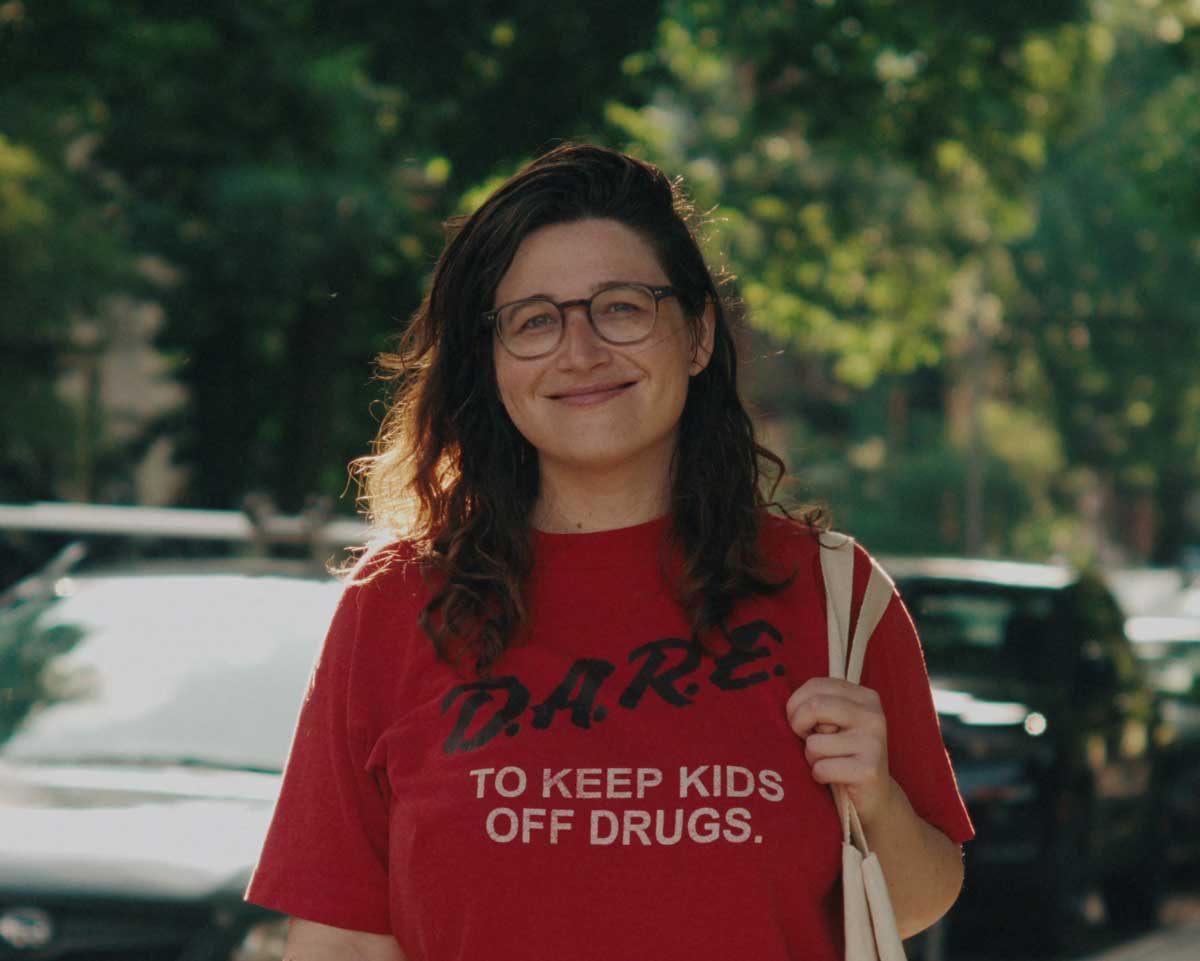
For this week’s MVP, we’re chatting with Chandler Levack.
Sure, Spielberg made Jurassic Park and Schindler’s List in the same year, but Canadian filmmaker Chandler Levack just released two films on the same day: Mile End Kicks, a semi-autobiographical romantic comedy about a love triangle in Montreal’s music scene, and Roommates, a big-budget Netflix comedy produced by Adam Sandler (and starring his daughter Sadie).
Promoting both at once, as you might imagine, is so exhausting that Levack (very rightfully) slept in this morning in sunny Los Angeles. The city has been her base since September, and will continue to be for at least a few weeks while she decides what—and where—is next for the writer-director in the ever-precarious film industry.
In this week’s MVP column for The Get, we caught Levack during her downtime to discuss her roundabout route to film, finding the confidence to make Sandler laugh, and advice she’d give to her younger self.
I hope you had a great and long sleep. Were you out late last night?
I wasn’t, no, because I don’t really party. I’m just tired after the last month because both of my new movies came out on the same day. I think I might be the first person to have that happen, and it’s very crazy.
Roommates is about a character named Devon, a very socially awkward girl who’s never had a close friend before, and she meets charismatic Celeste at freshman orientation. They agree to be roommates, but then Devon realizes slowly but surely that her roommate is a sociopath.
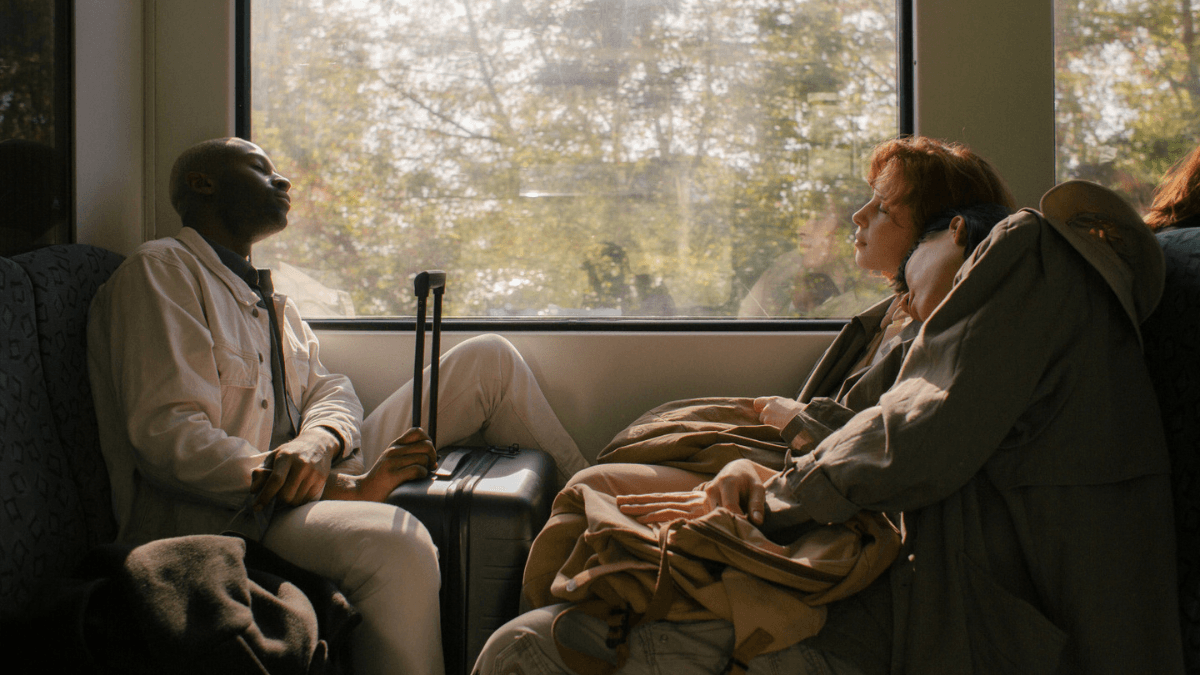
Mile End Kicks is Canadian. It’s about this female rock critic who moves to Montreal in the summer of 2011 and becomes romantically involved with two guys in the same band.
These movies have literally nothing in common.
Except you, of course. How did you become a filmmaker?
I actually started as a music critic when I was 18. I watched Almost Famous and loved it so much that I was like, how do I just live in that movie forever? I’ll just become the main character.
So, I dropped out of university and worked as a music critic and freelance journalist for a while. Eventually I finished my film degree at the University of Toronto, and then I went to the Canadian Film Centre and started directing music videos.
I made my first feature, I Like Movies, at the height of the pandemic in 2021. I could never have predicted that Adam Sandler would watch a micro-budget film set in the suburbs of Toronto and connect with it and want to work on a movie with me. Life is so unpredictable.
You just mentioned four different jobs. Is directing what you want to do forever?
I do love directing, and I think what I love about it so much is that it encompasses so many different jobs and art forms. If you’re interested, like I am, in fashion and photography and acting and music and writing, directing involves all of those. You could never get bored because there are a million different art forms and ways to see them and many people to collaborate with.
Every film I’ve done has required incredibly different skill sets, whether it’s how to build a video store with a $0 budget for I Like Movies or how to write original songs for the band in Mile End Kicks. On Roommates, there were all these stunt scenes with pyrotechnics, so I learned all about those.
Every film is a different, immersive experience that not only teaches me about the craft of filmmaking, but informs me as a person, which then affects what I’m making. For now, that’s movies, but I do miss writing and interviewing and long-form criticism. It would be fun to write a book or something.
What’s the difference in directing something you wrote versus someone else’s script?
It’s entirely different. My movies are so incredibly personal and DIY. I Like Movies was made entirely with Canadian arts grants; we didn’t have lights, and my parents were extras. It could not have been more DIY.
Roommates is a $30-million Netflix film produced by Sandler’s production company Happy Madison, which is obviously a very different experience.
It depends on the writers and the process, but the Roommates writers—Jimmy Fowlie and Ceara O’Sullivan—were really generous. And Adam too.
It was really intimidating for me at first because obviously I’m pitching a joke to incredibly funny, brilliant people. Adam is so down to earth and warm that I thought it was going to be a lot more surreal than it was. I got comfortable around him as just a regular person. Then I was on set and it’s like, “Oh my God, Steve Buscemi is here!” That’s when I got really starstruck.
What advice would you give to someone who wants to do what you do?
I always say that I just wish I’d given myself permission to make bad art a lot earlier. I wish I’d made more movies in university and tried things out more to figure out what worked and what didn’t. I was so precious and, because I had studied cinema, thought for a long time that my first film had to be as good as an Agnès Varda movie. Cinema was this thing I held on a very high pedestal.
One thing that helped demystify the process was just watching the first features of the filmmakers I loved, especially filmmakers who’d made their first feature for under $20,000, like Medicine for Melancholy by Barry Jenkins or Greta Gerwig’s first feature as a solo director, Lady Bird. Those films are great, but they also demystified filmmaking for me. They made me think, “I can do this.”
Read more from this issue of The Get:

Rosemary Counter
Rosemary Counter is a Toronto-based writer and journalist whose reporting and essays have appeared in The New York Times, Vanity Fair, The Guardian and others.


The Get is owned by Neo Financial Technologies Inc. and the content it produces is for informational purposes only. Any views and opinions expressed are those of the individual authors or The Get editorial team and do not necessarily reflect the official policy or position of Neo Financial Technologies Inc. or any of its partners or affiliates.
Nothing in this newsletter is intended to constitute professional financial, legal, or tax advice, and should not be the sole source for making any financial decisions. Past performance is not a guarantee of future results. Neo Financial Technologies Inc. does not endorse any third-party views referenced in this content. Always do your due diligence before deciding what to do with your money.
© 2026 Neo Financial Technologies Inc. All rights reserved.