
Mis à jour le 24 juin 2026 · Publié le 25 mai 2026 · 4 min read
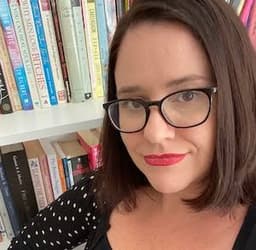
For this week’s MVP, we’re chatting with Katrice Bent.
Would you read the details of your paycheque, stock picks and bank statements aloud in a TikTok video? Ottawa-based financial educator Katrice Bent, a.k.a. Katrice Justice to her 22,000 followers on TikTok and Instagram, does all that and lots more. “I have a confession to make,” begins one Instagram video, “I’m a personal finance content creator, and I once earned less than $5 in a month on my $20,000 emergency fund. Embarrassing, I know.” (Before they even notice, Gen Z then gets a one-minute crash course in picking better bank accounts.)
How did a 26-year-old self-described “financially-savvy girly” get so darn good with money? And why’s she so compelled to teach the rest of her generation to wise up as she has? In this week’s MVP column, we ask her.
I feel like many 20-year-olds—myself included at that age—max out their first credit cards and don’t think much about consequences. What makes you different?
I grew up in a family that didn’t have much money. I wouldn’t say we were “poor,” but there was lots of room for improvement in the financial literacy department. I remember at some points we didn’t have hot water; we’d have to literally boil water to take baths. Our cable got cut off for a long time. Money was a source of stress, and I didn’t want that to be a part of my future. I didn’t want money to ever be something that stresses me out.
-WLM6ei5rV03XgovkPi9wDk0TVw9Gpe.jpg&w=1920&q=75)
How’d that happen? Was there a time you were genuinely worried about money?
I remember a very specific moment, actually: In university, where I studied business technology, I had to get a business suit for an event.
My mom said, “just go ahead and put it on your credit card. I’ll give you the money back before the due date.” Then the due date came around and I asked “OK, Mom, it’s due today. Where’s the money?” She said she didn’t have it, to just leave it alone, and that it’s fine. It didn’t feel fine to me, because obviously I knew you’re not supposed to carry a balance, and it felt like I was going down the wrong path.
I remember bawling my eyes out in my dorm room. I wanted to do the right thing. I had some savings, thankfully, so I used it to pay that credit card. I started applying to jobs that night. I feel like I’ve been working every day since.
Tell me how you bought your house at just 22.
Once I started working, I saved every extra dollar I could. That’s good, obviously, but what really changed my life was investing.
Nobody tells young people about investing; we’re always taught to go to university, work your 9-to-5, get paid, and then save, save, save. But we’re never taught how to invest your money to make passive income.
I was 20 years old when I learned you don’t have to only buy a company’s products, you can actually start buying the companies and earning dividends. When I started putting those extra dollars into investments, after a few good years I had some real money. When my grandmother—she just turned 90 this year—needed to move, I came up with the idea of joining her, with my mom, to make a multi-generational home. We ended up buying the first property we saw with a 30% down payment.
Why is it important to get so personal about money?
Once we bought the house together, we all had to be more open and talk about money. Recently, I was invited to speak at a JA Ottawa event. We were hoping for about 100 students, but attendance just wasn’t what we’d hoped.
Kids don’t get a lot of financial literacy at school so they don’t talk about money. Maybe it seems hard. That’s when I decided to share my journey with money online to help other young people, specifically Canadians, with their money. Lots of them are very interested in learning, and young people need to hear how other people do it. They need to know how to enjoy their money now while still preparing for the future.
Do you have any bad money habits to confess?
I still struggle with that last one. Right now, for example, I really want a new car. I know that financially, it’s not worth it. At the same time, maybe I should just get it and enjoy it. I have an account that I call my “YOLO Fund” where I keep money I can use for whatever I want. I have a lot of things automated, so whenever I get paid, money goes straight into my TFSA (tax-free savings account), my RRSP (registered retirement savings plan), my emergency fund—and my YOLO account. My best money habit is consistency, but I have to remember to enjoy my money, too.
Read more from this issue of The Get:
Rosemary Counter
Rosemary Counter is a Toronto-based writer and journalist whose reporting and essays have appeared in The New York Times, Vanity Fair, The Guardian and others.

The Get is owned by Neo Financial Technologies Inc. and the content it produces is for informational purposes only. Any views and opinions expressed are those of the individual authors or The Get editorial team and do not necessarily reflect the official policy or position of Neo Financial Technologies Inc. or any of its partners or affiliates.
Nothing in this newsletter is intended to constitute professional financial, legal, or tax advice, and should not be the sole source for making any financial decisions. Past performance is not a guarantee of future results. Neo Financial Technologies Inc. does not endorse any third-party views referenced in this content. Always do your due diligence before deciding what to do with your money.
© 2026 Neo Financial Technologies Inc. All rights reserved.