Published on October 5, 2026 · 5 min read
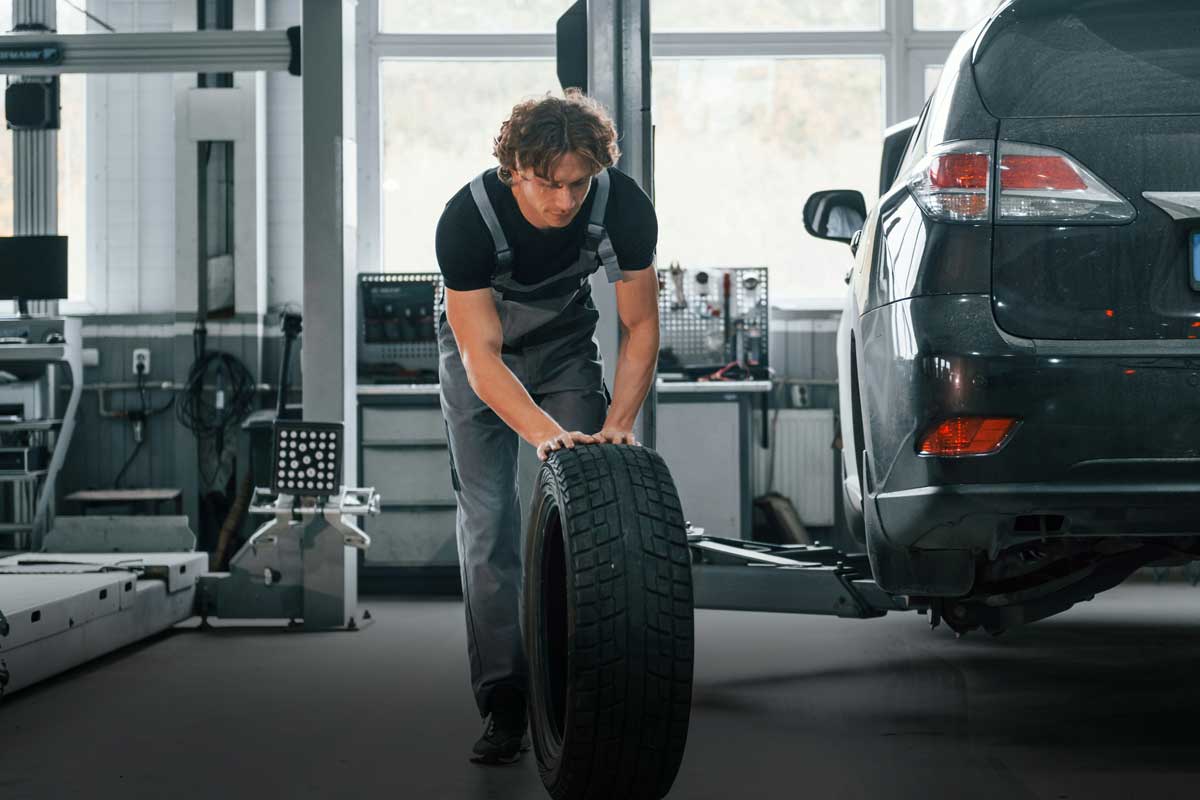
For this week’s No More Ls column, we’re looking at the costs of buying winter tires in Canada and how to get a good deal on a new set of wheels.
My autumn checklist always goes something like this: Get a ridiculous number of gourds for my front step. Drink some impossibly sweet pumpkin spice drinks. Get lowkey stressed about my winter tires.
From our sponsor
.png-rLGFSx980jA3P5rYPd5UninHnqZPU4.png&w=1920&q=75)

First on my list: I’m wondering when I should book the tire-change appointment. For me, this is less about the weather and more about beating the long lines at the autobody shop. Then I worry that my mechanic will discover some random, expensive problem during installation. And that’s when I already own winter tires. When I’m due to buy new ones, my stomach drops. Just how much is it going to cost this year? Is there any way to save?
Why we stress over “four chunks of rubber”
Just how important are tires when it comes to a safe ride? They’re everything.
Stephanie Wallcraft doesn’t mince words when describing the importance of tires. She is 2024’s Automobile Journalists Association of Canada (AJAC) Canadian Automotive Journalist of the Year. “Those four chunks of rubber are the only thing connecting your car with the road,” she says. “When it comes to a tire purchase, winter or otherwise, this is not the time to penny-pinch and resort to no-name brands to save money.” Of all the ways to be thrifty when it comes to owning or leasing a car, tires shouldn’t be one of them.
Alex Gagnon, co-owner of Ottawa Easy Wheels, an automotive repair and maintenance shop in Orleans, Ont., agrees. “Realistically, when it comes to tires, you get what you pay for.” Thankfully, what you’re buying isn’t just a better driving experience. Gagnon also emphasized that quality tires last much longer than economy brands, so while the upfront cost is higher, the annual cost works out more favourably.
In case you’re wondering, on average, winter tires last between three and six winter seasons or roughly 30,000 to 60,000 kilometres.
How to find good wheels (and good winter tire deals)
A quality tire performs durably, reliably and safely under a range of conditions, in bad weather and during last-minute manoeuvring. And that’s not automatically the most expensive tire in the shop.
Begin with research and comparison shopping. Consumer Reports issue comprehensive rankings of different tires based on their independent testing, although not every brand that the publication reviews is available in Canada. The tire retailer site 1010Tires.com is Canadian and ranks tires by user reviews. It also has info on rebates. Often, the ranking scores among the top-ranked tires are very close, giving you several strong contenders. After putting together your shortlist, you can find out if those are on sale.
Wallcraft says that winter tire sales tend to start in late August and run until October. But if you procrastinate until that first snowstorm, look out. “If you wait until people are booking their swap appointments, in late October and into November, demand goes up and so do the prices.”
In my experience, it’s smart to search for tire sales outside your city. Different economic factors two towns over might mean a deal for you. You can also check prices at membership stores, like Costco. The savings may pay for your membership and then some.
If you’re feeling bold, try negotiating for a free set of winter tires if you’re buying a new car (that worked for me once). And search for online rebates. Stores often advertise them, but not always, so ask.
Finally, don’t forget to tell your auto insurance provider that you’re a winter tire user. Many companies reduce your total policy cost by about $50, but you have to be proactive and let them know.
What are economy tires? Should you buy them?
When searching for new winter wheels, you might hear about economy tires. These come at a lower cost than other brands, and are often made in China. Their affordable prices are very tempting. But are they worth it?
Most of the time, no. Gagnon says it’s not just that cheap tires last a shorter amount of time; they also don’t perform as well either. You’re compromising on two fronts. However, they may be an option if you’re confident you will only have your car for one more year and need a value-priced option for the short term.
Should you buy second-hand winter tires?
Be wary of second-hand tire stores, advises Gagnon. He shares stories about tires being sourced from “another shop’s scrap heap.”
If you do go the vintage route with previously owned tires, a favourable option could be a private sale, provided you trust the seller. For example, a family member has changed vehicles, and their quality tires have only been used for one season.
In this situation, you may be able to pick up an excellent brand at a low price, however, in the interest of safety (and positive family relations), ask your mechanic to inspect them before they’re installed.
Do you need winter tires if there’s no snow?
We often call them “snow tires” in casual conversation, but Wallcraft offers some important clarity on this. It’s not about how much snow you get; it’s all about safe performance in cold conditions, she says.
“The rubber in winter tires provides better grip than other tire types once the exterior temperature drops below seven degrees,” says Wallcraft. “That’s important for improving stopping distance on bare, cold roads, not just for getting a better grip in snow and ice.”
With her words echoing in my head, I’ve already booked my tire installation for November 2. This year, I’m taking care of them first.
Read more from this issue of The Get:

Vanessa Chiasson
Freelance writer, Vanessa Chiasson, focusses on human interest narratives, often covering sustainable travel and the intersection of food, culture, and community. In the industry since 2012, Vanessa helps other writers develop cozy business strategies that support their artistic endeavours.



The Get is owned by Neo Financial Technologies Inc. and the content it produces is for informational purposes only. Any views and opinions expressed are those of the individual authors or The Get editorial team and do not necessarily reflect the official policy or position of Neo Financial Technologies Inc. or any of its partners or affiliates.
Nothing in this newsletter is intended to constitute professional financial, legal, or tax advice, and should not be the sole source for making any financial decisions. Past performance is not a guarantee of future results. Neo Financial Technologies Inc. does not endorse any third-party views referenced in this content. Always do your due diligence before deciding what to do with your money.
© 2026 Neo Financial Technologies Inc. All rights reserved.