Published on July 31, 2026 · 4 min read
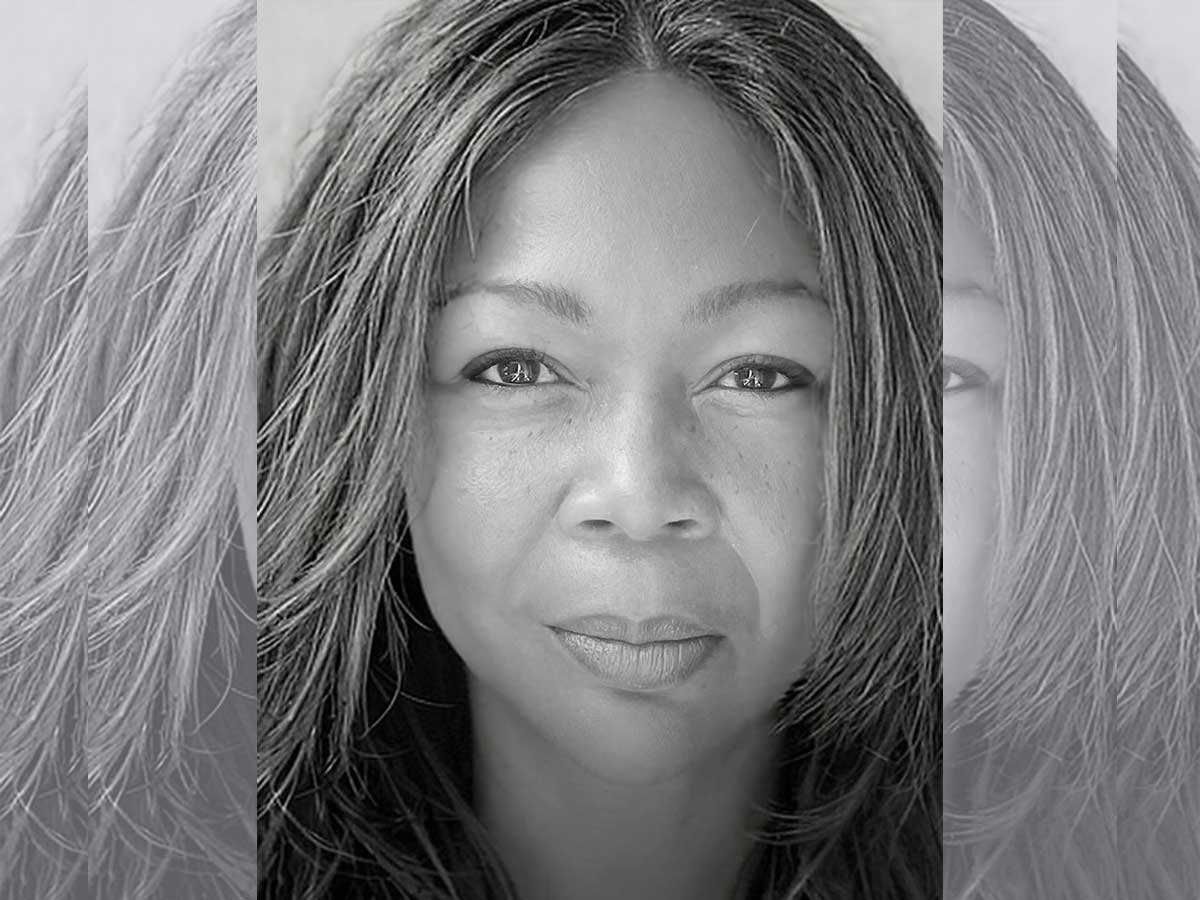
For this week’s MVP, we’re chatting with Celia Sears.
When Celia Sears left Canada for Italy more than 20 years ago, she was pursuing the dream to work in fashion. She found a career that would span numerous roles, shifting markets, and changing cultural landscapes. After working as a model, stylist, fashion editor and talent booker, the Oakville, Ont., native founded Show Division in 2015. It is now a leading supplier of backstage makeup and hair professionals to top fashion shows—and requires its talent to develop proficiency working with diverse skin tones and hair textures. Years before inclusion became a defining industry conversation, Sears had made it a core pillar of her business. In her conversation with The Get, she opens up about the risks she’s taken and the investments that made it all worthwhile.
What made you build a career in Italy?
I wanted a broader, much more global understanding of fashion. Canada is a wonderful place to cut your teeth. But after attending the shows in Milan, I realized it was another level there—a whole other world. Milan resonated with me more than anywhere else.
Before moving to Italy, you worked as a model and later in agencies. How did those experiences shape your career?
Modelling was my introduction to fashion. I learned a tremendous amount, especially as a Black model in Toronto during the late ’80s and early ’90s, when there were very few opportunities. It taught me about resilience because there were a lot of noes, and it reinforced that I wanted a career in fashion that went far beyond modelling.
What’s the biggest investment you made when you moved to another country?
When I first arrived in Italy, my biggest investment was myself. That meant learning the language, understanding the culture, building relationships, and creating a sustainable foundation.
I soon realized the importance of investing in the right people. Whether it was accounting, financial management, administration and operations, having experts who understood those areas allowed the business to grow more efficiently. You have to know when to rely on specialists—trying to manage everything yourself often costs more in time and resources.
You were also involved with Canadian cosmetic brand MAC in its earliest days. What was that like?
It was extraordinary. MAC founders Frank Toskan and Frank Angelo were literally developing products in their apartment kitchen. My sister founded the Canadian Fashion Alliance, which promoted emerging Canadian designers. MAC became involved backstage at fashion shows, experimenting with products for every skin tone. I became one of MAC’s first house models and later worked closely with the team testing and consulting on products, including Gladys Knight’s haircare line. I’d meet with Gladys and both Franks regularly to test formulas and build products from the ground up. It was incredibly collaborative.
What did those experiences teach you?
They taught me the value of believing in a product and in the people behind it. Everyone was willing to invest time because they believed in the vision. There was a real sense that if one person succeeded, everyone succeeded. MAC treated people with respect, remembered those who contributed, and made you feel like part of a family. They reinforced the idea that anything is possible. That philosophy has stayed with me throughout my career.
Once you started working in Italy, what gaps did you notice in the industry?
The most obvious was the lack of Black models. There were a handful who did exceptionally well, but they were always the exception. Later, working within agencies specializing in hair, makeup and styling, I realized the Canadian work ethic and collaborative approach gave me a unique advantage. Creativity isn’t just having an idea—it’s knowing how to execute it. My experiences in Canada, particularly with MAC, taught me how to turn ideas into action.
Beyond being the right thing to do, does inclusion also make business sense?
Without question. The BIPOC beauty market represents billions of dollars annually, yet it’s still underserved. From salons to brands, investing in textured hair services and products isn’t just socially responsible—it’s a significant business opportunity. Clients are loyal. They invest in products and services consistently, and brands that genuinely serve those communities build lasting relationships. From a purely commercial perspective, expanding expertise to serve all consumers simply makes sense.
What have you learned from working with people in creative businesses?
Creativity is the foundation, but execution creates longevity. Building a successful business requires vision, discipline, strong teams, and the ability to create systems that support growth. The most successful creative entrepreneurs understand that talent must be supported by strategy and structure.
Vogue named you one of its 100 Champions for Change in the fashion industry. What did that recognition mean to you?
It was meaningful because it wasn’t recognition for a single project—it was for years of advocating for a more inclusive fashion industry. It acknowledged that the conversation around diversity backstage needed to move beyond awareness and into action. It validated the work that Show Division had been doing for years and reinforced that education and inclusion aren’t trends—they’re essential if the industry wants to evolve.
Read more from this issue of The Get:
Elio Iannacci
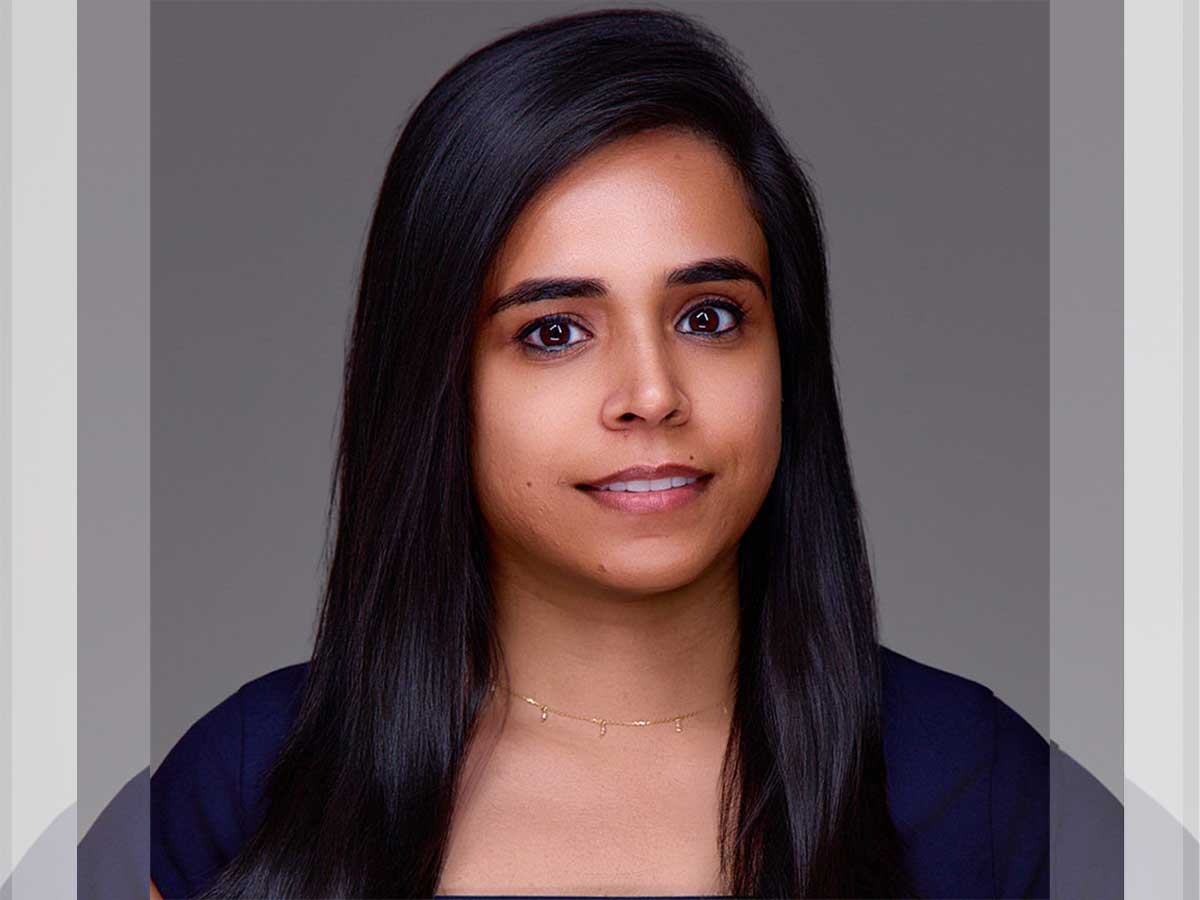
An award-winning writer, scholar and journalist, Elio Iannacci’s work has appeared in more than 80 publications, including The Globe and Mail, Vogue Italia, The Hollywood Reporter and Maclean’s. His writing also appears in a number of literary anthologies, including the newly released The Nuances of Love, published by Guernica.


The Get is owned by Neo Financial Technologies Inc. and the content it produces is for informational purposes only. Any views and opinions expressed are those of the individual authors or The Get editorial team and do not necessarily reflect the official policy or position of Neo Financial Technologies Inc. or any of its partners or affiliates.
Nothing in this newsletter is intended to constitute professional financial, legal, or tax advice, and should not be the sole source for making any financial decisions. Past performance is not a guarantee of future results. Neo Financial Technologies Inc. does not endorse any third-party views referenced in this content. Always do your due diligence before deciding what to do with your money.
© 2026 Neo Financial Technologies Inc. All rights reserved.