Published on August 10, 2026 · 5 min read
For this week’s Top Story, we’re looking at what tipping looks like on the other side of the table: from the server’s perspective.
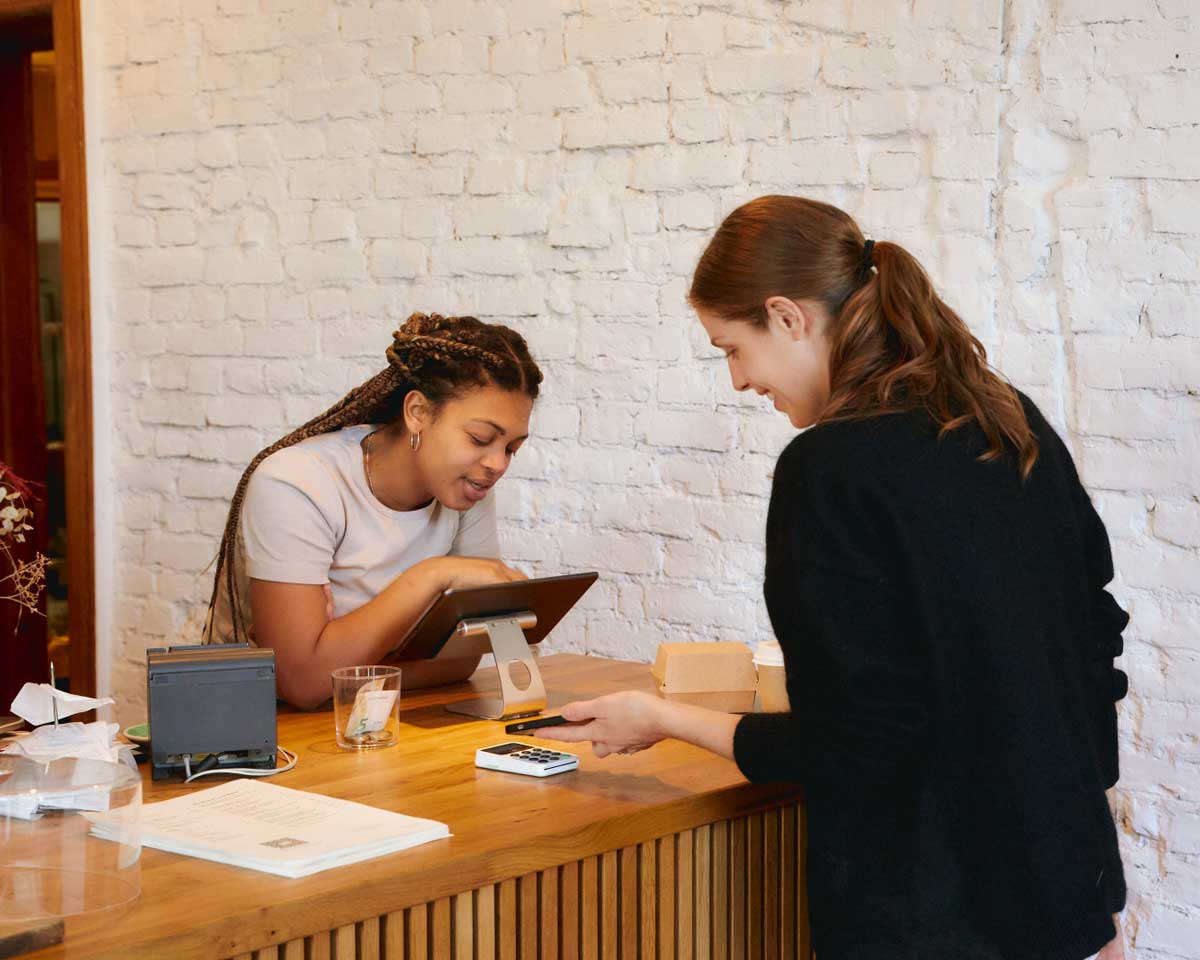
That awkward moment when you’re paying the dinner bill and the server hands you the payment machine. They’re making small talk with the other guests at the table, but you feel as though the server’s got one eye on you as you tip them.
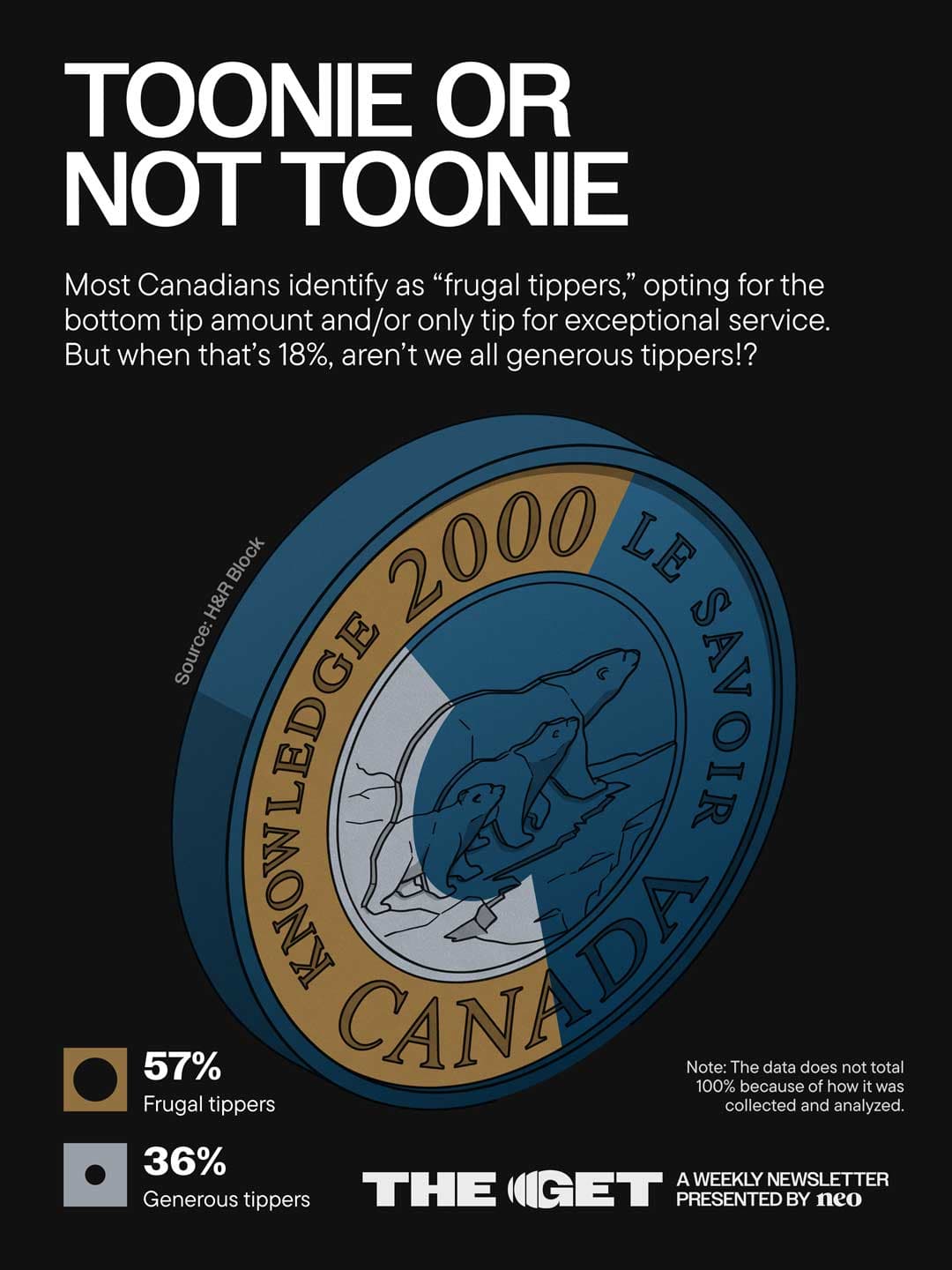
There’s a tension between tippers and servers. A survey commissioned by H&R Block found that 89% of Canadians say that the tipping percentages have become too high, and 65% of us feel less awkward opting for the “no tip” option on the machine. And servers depend on it as income, which means it’s not just the service quality that weighs on the choice.
How we view tipping has shifted not only for customers but also for people who work for tips, and the hospitality industry is at fault in part for that, says hospitality expert Kate Engineer, hospitality expert and founder of Servers Excellence. By pushing gratuity amounts so high, tipping has become less about how much the guest valued their experience, and it’s also set expectations high for servers who not long ago would have been happy with a 10% or 15% tip, she says.
For servers, or anybody who has an impact on guest experience, know that tips were established as a reward for doing a good job, says Engineer. “When you’re working with the mindset that tips are guaranteed and a part of your salary that you’re relying on, you approach it differently.”
But what’s it actually like on the other side of the table, as a server? Is the barista thinking you’re a cheapskate when you opt to enter a custom tip because the lowest suggestion of 18% feels just too much? Once you’ve tapped your credit card, is your bartender taking your tip amount personally? Three servers give us a behind-the-bar look at tipping.
From our sponsor


“Try to understand the tipping culture of where you are”
Rachelle Lam, a server in Calgary with more than 15 years’ experience, lets us in on a secret: The integrated payment system resets before she can see how much customers have tipped. And she thinks that’s a good thing.
“Before, if people were gushing about how great everything was, but then you see they tipped 10%, it could weigh on you and change your attitude for the rest of the night,” she says. Although she can go into the system to look up how much a customer has tipped, she says it’s just not worth the effort or the time.
Having worked at touristy spots, with some customers not accustomed to leaving gratuities, Lam admits it was at times frustrating to be tipped only 5% or even nothing. “As someone who travels, I try to understand the culture of where I’m going, including the tipping culture,” she says. Here in Canada, she and her friends who also work in hospitality tip 20% to 30% as a baseline. They top up with cash left on the table when friends only tip 15%. “We know how hard you’re working!” she says.
“If you can’t afford to tip, then don’t go out to eat”
If you’ve ever felt your server is thinking poorly of you when you type in a tip less than the lowest suggested tip, you’re not totally wrong. Chelsea Corriveau, who works as a server at a couple of pubs in Vancouver, confesses that she and her coworkers tend to feel that if you can’t afford to tip, you shouldn’t dine out.
As for the tourists from places where tipping isn’t common, that approach can actually inspire her to be even more attentive. The same goes for customers who have been a little rude. “I will kill them with kindness and be extra nice; maybe it’ll put it in their brains to tip,” she says.
At the end of the day, Corriveau says she wants to make sure everyone has a good experience. “That’s what we’re there for.”
“Sometimes you give the best service and get a bad tip—I try to see what I did wrong”
Although there’ve been perks—such as getting to try some of the best wine and food in the world—Becca Salt sees her 17-year career as a server in Toronto as a game that she loves to play. “Everybody needs to eat, and creating the magic of a meal is in your control as a server,” she says. “People are there to celebrate happy moments. To be a part of that is super special.”
She never checks what a guest has tipped right in front of them. “That’s a bit tacky,” she says. But Salt does look afterward—not to judge the guest but as a check-in on her service quality. She doesn’t internalize a less-than-generous tip. “You don’t really know what people are going through,” she says. But a small tip for her is an indicator to look at what transpired and how she can improve. “I can only control what I can control,” she says.
Although she’s well aware of the growing sentiment against tipping and the move by some restaurants to a no-tipping policy (also known as hospitality included), Salt is adamant about only working in establishments where she can earn tips. “When you can do so well with tips—why take that away? The wage would have to be pretty high for me to give that up,” she says.
So, how much should you tip?
Professional servers know that tips aren’t guaranteed. “Tips were established to create a great, hospitable experience,” says Engineer. As the customer, she suggests the same mindset for tipping. Rather than feel pressure to give certain percentages—which Engineer says have been pushed higher by the hospitality industry, feeding the increasing negativity around tipping culture—she is a strong proponent of guests deciding how much you value the experience. (Here’s how much Canadians admit to tipping.)
Something she does recommend keeping in mind: Although most of your interaction will be with your server, remember that a portion of the tip does go to any staff who plays a role during your time at the restaurant or bar, from the host to serving assistants. When you’re deciding on a tip, consider the entire experience.”
Read more from this issue of The Get:

Karen Kwan
Karen Kwan is a Toronto-based freelance writer, covering lifestyle, travel, fitness and health. Her work has been published in outlets including the Toronto Star, Chatelaine, Re:Porter and Destination Toronto.


The Get is owned by Neo Financial Technologies Inc. and the content it produces is for informational purposes only. Any views and opinions expressed are those of the individual authors or The Get editorial team and do not necessarily reflect the official policy or position of Neo Financial Technologies Inc. or any of its partners or affiliates.
Nothing in this newsletter is intended to constitute professional financial, legal, or tax advice, and should not be the sole source for making any financial decisions. Past performance is not a guarantee of future results. Neo Financial Technologies Inc. does not endorse any third-party views referenced in this content. Always do your due diligence before deciding what to do with your money.
© 2026 Neo Financial Technologies Inc. All rights reserved.