Updated on July 8, 2026 · Published on June 22, 2026 · 5 min read
For this week’s No More Ls column, we’re looking at what happened to garage sales and if you can still get a deal.
A mid-century Scandinavian teak carving. A Comme des Garçons leather belt. An 18/10 stainless steel cream and sugar set.
From our sponsor
.png-rLGFSx980jA3P5rYPd5UninHnqZPU4.png&w=1920&q=75)
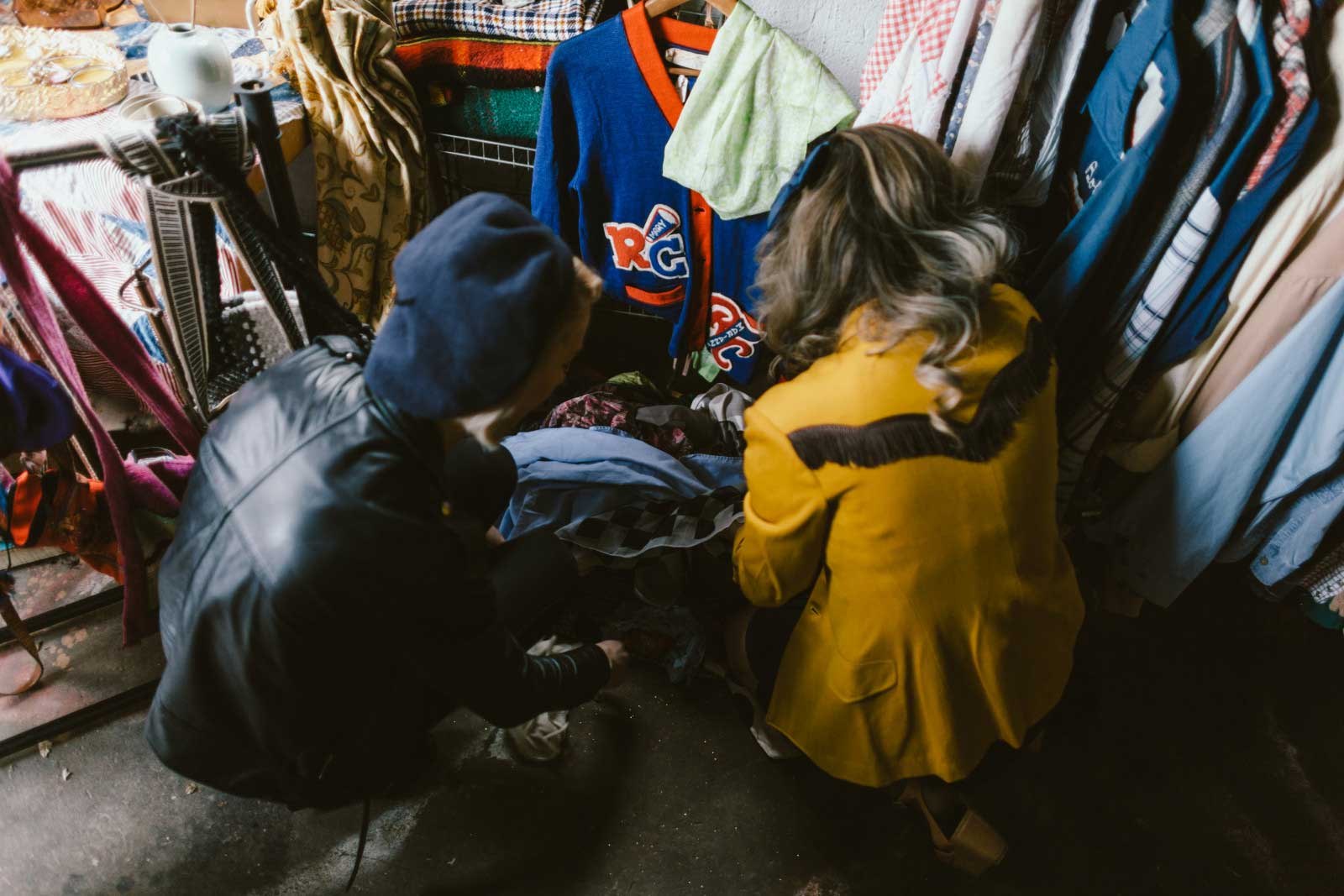
All were garage-sale finds, purchased years ago for well under $10 each. Back then, I spent many summer weekends wandering Toronto’s west end in search of hidden treasures. The appeal wasn’t just saving money. It was the thrill of finding something unique, valuable and lasting; for a fraction of what it might cost elsewhere.
Lately, garage sales seem a little different, with many items priced closer to Facebook Marketplace than the traditional neighbourhood garage sale.
So, what happened to the 25-cent table?
Marissa Anwar, a frequent garage-sale shopper, has noticed the change. “Most people know Facebook Marketplace is available, so they don’t need to have a fire sale to get rid of their items,” says the Toronto-based executive content producer.
And much of the shift can be traced to the rise of online resale culture, according to Dr. Ela Veresiu, associate professor of marketing at York University’s Schulich School of Business. “The significant increase in prices at garage sales, yard sales and thrift stores can be largely attributed to the lucrative online resale phenomenon,” she says.
Increasingly, shoppers aren’t just browsing for themselves. Some are hunting for items to resell online for a profit. Social media has helped fuel the trend, with dedicated accounts teaching followers how to spot valuable second-hand finds and identify items with the highest resale potential.
The result is a shift in how many sellers approach pricing. “As garage and yard sale sellers are becoming more aware of this profitable secondary market for their used goods, they are attempting to replicate these profits directly by increasing their own prices,” Veresiu explains.
Everyone thinks they know what their stuff is worth
The internet hasn’t just changed how people shop. It’s changed how they value the things they already own. According to Veresiu, Canadians can simply take a photo of an item and instantly access information about its current resale value and often its original price. As a result, sellers are increasingly viewing their used possessions through the lens of market value rather than simply as clutter they want to clear from the house.
But not every seller is trying to squeeze every possible dollar out of a used item. Toronto resident and PR exec, Desia Halpin-Brill, who recently held a garage sale, still embraces what many people remember as the original spirit of the neighbourhood garage sale: building community, decluttering and helping pre-loved items find a new home.
T-shirts are priced at $1. Jeans are $5. Blazers are $10. “My goal is to make space and make someone happy with their find,” she says.
While Halpin-Brill agrees some sales have become overpriced, she believes shoppers shouldn’t get discouraged. “I have seen some garbage displayed, and the price listed is ridiculous,” she says. “You just need to move onto the next vendor.”
While fixed pricing remains the norm, some garage-sale hosts have experimented with “pay what you can” models, reflecting the increasingly subjective nature of value in the second-hand economy. Critics argue that buyers unfamiliar with an item’s market value may sometimes pay more than they otherwise would.
The thrill of the hunt lives on
Even as prices rise, garage sales continue to attract dedicated shoppers. According to Veresiu, second-hand shopping has undergone a dramatic image makeover in recent years. “It has now become a badge of honour to find the best deals, and to just enjoy the hunt or thrill of finding exciting preowned treasures,” she says.
Social media influencers, thrift-focused Instagram accounts and online resale communities have helped transform second-hand shopping from something that was once viewed as purely economical into a mainstream hobby. Veresiu points to Canadian Instagram account @backroad_bundles, which curates thrifted style bundles tailored to followers’ tastes, as one example of how social media has helped normalize and legitimize second-hand shopping. Popular hashtags such as #thriftstorefinds, #thrifthaul and #thriftedvsstyled have further fuelled the trend.
There’s also nostalgia at play. Veresiu’s research has found that consumers often turn to nostalgic consumption during periods of economic, political and social uncertainty.
Millennials in particular “seek out 1990s and early 2000s artifacts,” she says. Those items can include everything from vintage clothing and toys to pop-culture memorabilia associated with childhood and adolescence.
“This surge in demand for nostalgic goods has, in turn, contributed to rising prices at garage and yard sales,” she says.
For Anwar, the appeal remains simple. “I like the treasure hunt,” she says. “I mostly look for art and decor. I prefer to buy art that comes with history.”
One of her favourite finds was a complete set of golf clubs she purchased for her godson for just $4. The seller even offered to give him lessons afterward.
How to find a bargain in 2026
Despite rising prices, experienced buyers and sellers say good deals are still out there. Anwar recommends checking estate sales, arriving early and asking for bundle pricing when purchasing multiple items.
As for sellers, Halpin-Brill says presentation matters. Keeping items organized, displayed attractively and priced fairly can make all the difference—and she recommends offering bundle pricing to help move items quickly.
“The disappearance of 25-cent garage sale items reflects a broader shift in consumer culture,” says Veresiu.
Online resale markets, nostalgia-driven demand and greater price awareness have changed how Canadians think about used goods.
The bargain-basement prices many of us remember may be harder to find. But for those willing to browse a few folding tables on a Saturday morning, the possibility of discovering an unexpected treasure remains very much alive.
Read more from this issue of The Get:

Michelle Jobin
Michelle Jobin is a Toronto-based writer, television host, producer and award-winning multimedia strategist. Her work explores travel, culture, food and consumer trends through the lens of storytelling and lived experience.


The Get is owned by Neo Financial Technologies Inc. and the content it produces is for informational purposes only. Any views and opinions expressed are those of the individual authors or The Get editorial team and do not necessarily reflect the official policy or position of Neo Financial Technologies Inc. or any of its partners or affiliates.
Nothing in this newsletter is intended to constitute professional financial, legal, or tax advice, and should not be the sole source for making any financial decisions. Past performance is not a guarantee of future results. Neo Financial Technologies Inc. does not endorse any third-party views referenced in this content. Always do your due diligence before deciding what to do with your money.
© 2026 Neo Financial Technologies Inc. All rights reserved.