Published on October 5, 2026 · 5 min read
Here’s the answer to this week’s reader question on starting to invest.
How do I get into the stock market in a safe way?
—Juan
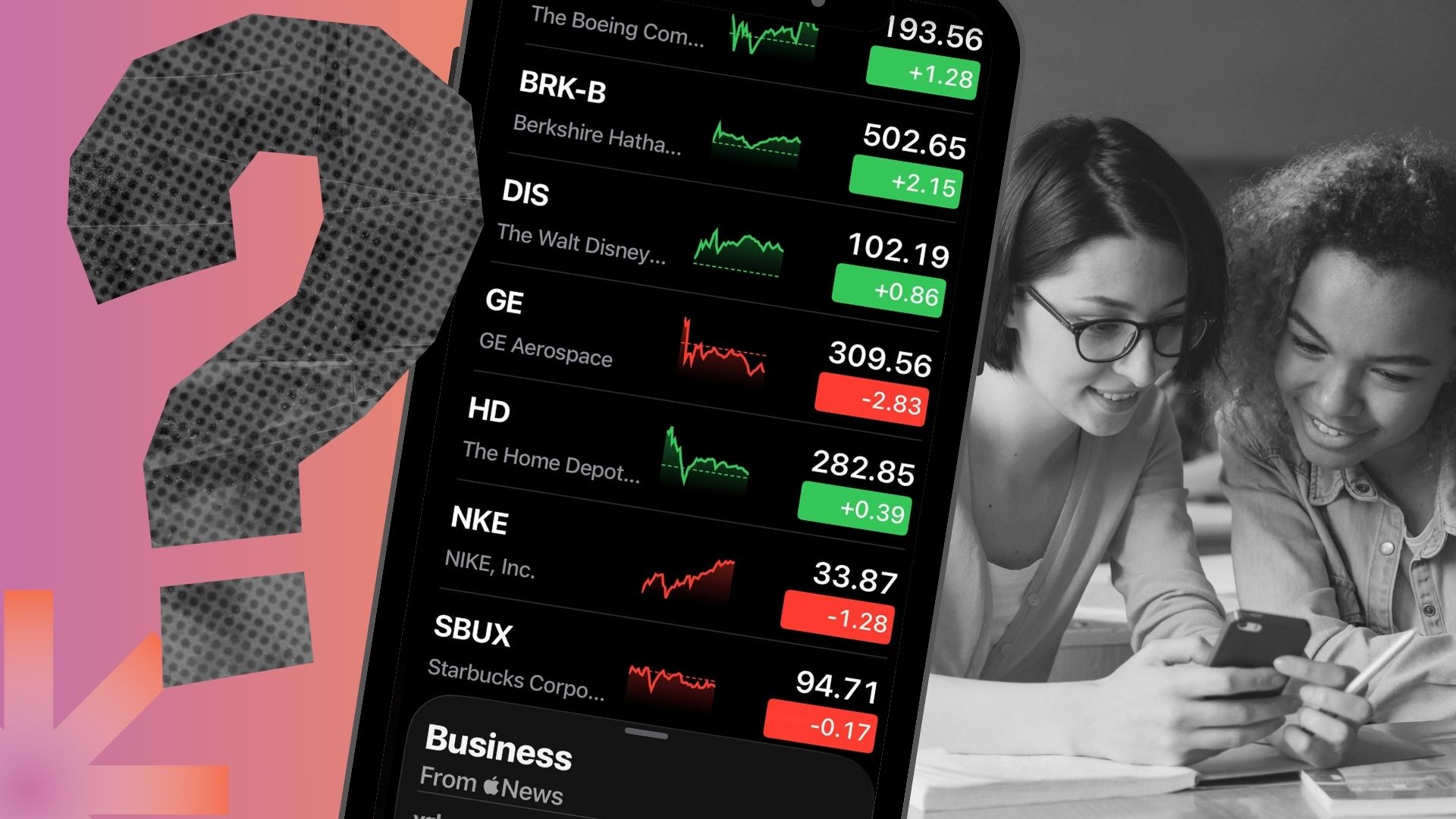
Is the stock market safe?
If you’re new to investing, getting started can seem complex. But it doesn’t have to be. Sure, there are stocks, bonds, risk levels, fees and a whole bunch of other things to understand. But ultimately you are in the driver’s seat. You have control.
What not to do
I wouldn’t recommend most Canadians start by picking individual company stocks. Most of us don’t have the time to properly research the companies we’re buying or read all the materials each company offers investors. It’s very difficult to compete with professional stock pickers who do this for a living. I suggest sticking with exchange-traded funds (ETFs), which are like buying a basket of investments. Look for one that holds a broad range of stocks and bonds. (More on why below.)
How to invest in ETFs
The first thing you’ll need to figure out is how you’ll invest. You can work with an advisor or planner. But probably the easiest way to get started is to use an online robo-advisor, which can help you figure out your risk tolerance and put you in the right mix of investments.
If you’re feeling confident with what you know about the stock market, you can go the do-it-yourself route, opening an online account at an online broker or at a financial institution and choosing your own investments. If you’re willing to do the legwork, this approach can save you money on the fees that can eat away at your investments. (More on that later too.)
What should I invest in?
For most people, the safest DIY option is an asset allocation (or all-in-one) exchange traded fund.
An asset allocation ETF can basically be your entire investment portfolio. These ETFs hold thousands of stocks and bonds, often from around the world. So, you can be extremely well diversified with just one investment, and diversification is a proven, safer way to invest.
You do have other ETF options of course. Before buying any ETF, you need to figure out your asset allocation. In other words, how much of your portfolio do you want in stocks and how much do you want in bonds and other fixed-income investments?
The more stocks you hold, the higher your expected return. But you’ll also get more volatility as the stock market rises and falls. The more bonds or fixed income investments you hold, the lower your expected return, but your investments shouldn’t move around as much.
There are plenty of reputable asset allocation questionnaires online that can help you figure out what mix you’re comfortable with.
The important thing is finding an investment mix that matches your risk tolerance. If you’re nervous about investing in stocks for the first time, there are a couple of ways to get your feet wet.
One is to choose a more conservative asset allocation ETF with a larger bond component. I would typically recommend a much higher allocation to stocks for most younger people because they can expect higher returns over many years of investing. But there’s nothing wrong with starting out more conservatively if it helps you sleep at night.
Don’t lose money on fees
Watch for fees. When you buy an investment, look carefully at its management expense ratio. An MER is a fee that you are charged to hold an investment, regardless of whether it rises or falls in value.
These days, you can find solid asset allocation ETFs with an MER of about 0.20% or less. That might not sound like much, but small fee differences can add up to a substantial amount over your investing lifetime.
Check your risk against your timeline
The other big thing to understand is that investing is a long-term game.
Stocks don’t go up every year. But historically, they have rewarded investors who stayed invested over long periods. Canadian equities average roughly 8% growth a year, although that doesn’t mean you’ll earn 8% each year. Some years will be great. Others can be terrible.
That’s why I wouldn’t worry too much about what the market is doing this month or even this year. If you’re investing for retirement, you could have 20, 30 or even 40 years ahead of you to build your investment wealth. So give your investments time to work.
If you’re saving for something you’ll need in a year or two, the stock market probably isn’t the right place for that money. But if you’re investing for a long-term goal, staying invested through the ups and downs gives your money more time to grow and benefit from compounding.
The biggest thing, though, is understanding that markets will sometimes fall.
From our sponsor
-AEkqtheTBVzQakrLgVbzKxJhcfRhND.png&w=1920&q=75)
Don’t invest what you can’t lose
Another option is simply to start with a small amount of money. You don’t need to put thousands of dollars into the market on day one. Start with $100 if that’s what you’re comfortable with.
Now you can watch how your investment performs and get comfortable with the mechanics of buying investments. Once you’re comfortable, you can buy more units of your chosen ETF regularly, such as every month when you get paid.
Check your fear of risk regularly
My golden rule is simple: Never panic-sell.
If you think you might panic and sell when the market falls, there’s a good chance you’re holding too much in equities. There’s no point taking on extra risk for a higher expected return if you’re going to panic-sell during a market decline.
There’s always some risk, and there are always trade-offs with investing. Higher expected returns come with higher risk and volatility. If somebody tells you they can give you an investment that consistently earns 8% or more with little or no risk, run away. No investment guarantees high returns without downside.
For most people, a simple, diversified portfolio with low fees, combined with the discipline to keep investing over time, can go a long way.
Read more from this issue of The Get:

Kornel Szrejber
Kornel Szrejber is a personal finance educator and real estate investor and is best known as the founder and host of the Build Wealth Canada podcast, where he interviews financial experts to help listeners optimize their investments, reduce taxes and navigate early retirement.

Robert Gerlsbeck
Robert Gerlsbeck is a freelance editor and journalist. He is based in Kingston, Ont.



The Get is owned by Neo Financial Technologies Inc. and the content it produces is for informational purposes only. Any views and opinions expressed are those of the individual authors or The Get editorial team and do not necessarily reflect the official policy or position of Neo Financial Technologies Inc. or any of its partners or affiliates.
Nothing in this newsletter is intended to constitute professional financial, legal, or tax advice, and should not be the sole source for making any financial decisions. Past performance is not a guarantee of future results. Neo Financial Technologies Inc. does not endorse any third-party views referenced in this content. Always do your due diligence before deciding what to do with your money.
© 2026 Neo Financial Technologies Inc. All rights reserved.