Reader Questions
Retirement savings (and spending) strategies to beat inflation
By Li Zhang
As told to Rob Csernyik
Published on September 4, 2026 · 4 min read
Here’s the answer to this week’s reader question about inflation and retirement savings.
Being retired, I worry that our savings will be inadequate with the inflation rates we have been seeing. How do we protect from this?
–Hugh
Will inflation eat my savings?
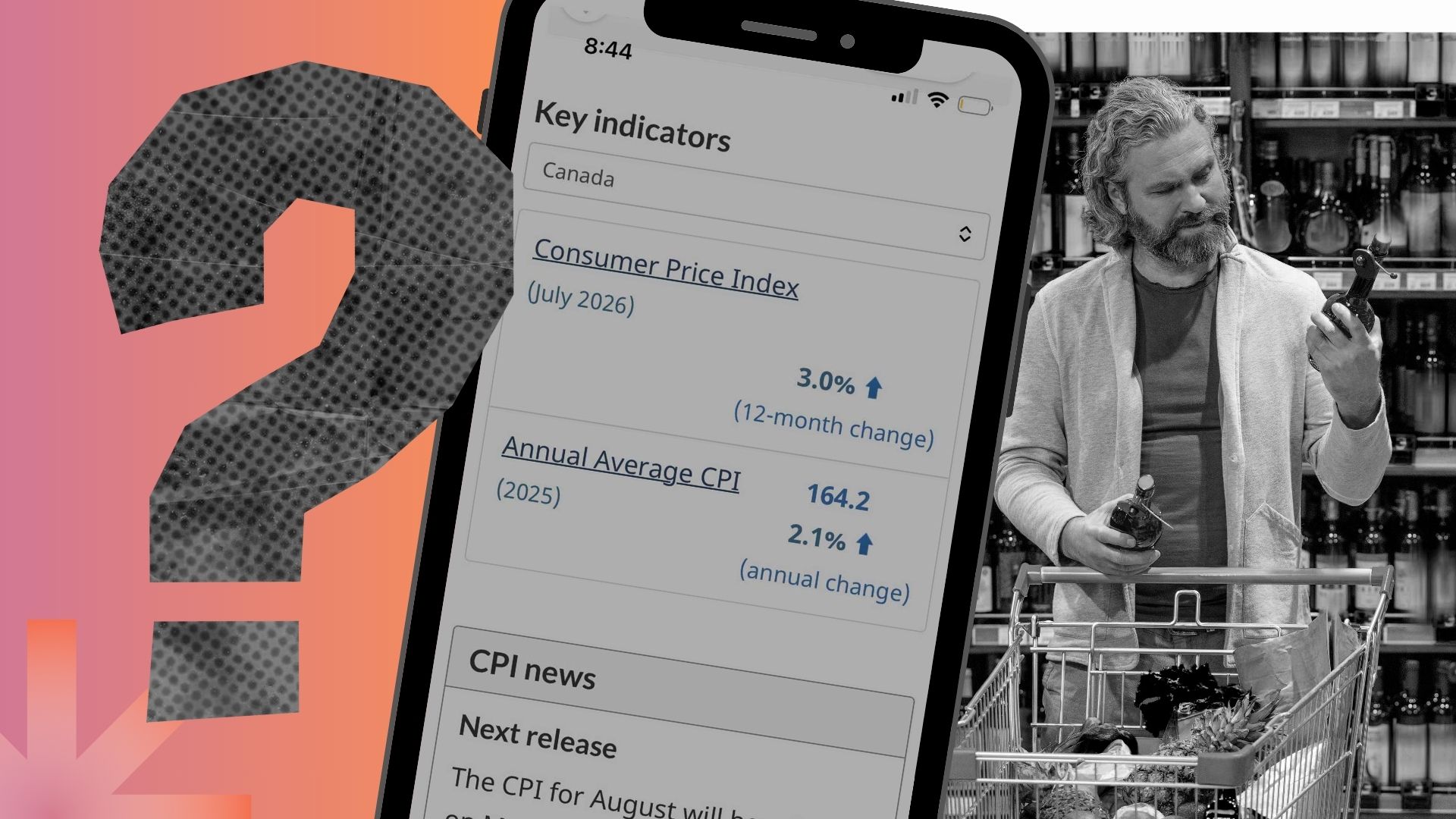
Two to three per cent inflation is typical, but it’s hard to predict where inflation will be in the future. It has been in double digits in Canada before, which would outpace growth in a regular savings account, a typical investment plan or a registered retirement savings plan (RRSP). During the pandemic, we saw significant shifts in inflation as well as housing costs and other expenses.
Inflation and interest rates are something many of us focus on once we reach a longer-term savings goal, like retirement, and then stop working and start withdrawing money. There’s always some struggle because retiring means making a fundamental behaviour shift—from building savings to spending it.
This shift can cause concern, even if someone has enough money saved to live into their hundreds. That’s totally normal.
The only solution is understanding the math. Knowing where you are financially, where you’re going and what you want out of retirement will give you peace of mind as you approach retirement. It holds true even after retirement, but you have fewer financial levers to adjust at that point.
Most people don’t run the numbers but they should. If you know how much you are going to spend in today’s dollars, then you can do simple math or use online calculators to see what, for example, $100 today looks like in a few years with inflation. (The Bank of Canada has a free online inflation calcuator.)
You may reassess those assumptions, and course-correct in the future. Maybe, unfortunately, you’ll need to get a part-time job in retirement. That happens.
Fight inflation by monitoring benefits
If you have enough money for your lifestyle and spending habits right now, one of the easiest inflation fighters is to delay taking Canada Pension Plan (CPP) and Old Age Security (OAS) until age 70. If you have enough money to cover the five years between age 65, when most Canadians start collecting benefits, and 70, you take home way more (42% more CPP and 36% more OAS), guaranteed. Both are adjusted for inflation according to changes in the Consumer Price Index.
You want to keep your taxable income at a level where government benefits are not reduced and you are not pushed into a higher tax bracket.
Some registered accounts, such as tax-free savings accounts (TFSAs), are already tax-free for earnings (meaning the money you get from interest or investments), so you can withdraw from them to top up your income without creating a tax impact. There are many designated financial professionals who can provide support as you plan.
Don’t keep everything in cash. You need a strategy for your asset mix. Instead of turning assets into cash at retirement and watching the value drop even before you spend, you’ll be better off liquidating a portion every year and watching the rest grow over time.
From our sponsor
.png-rLGFSx980jA3P5rYPd5UninHnqZPU4.png&w=1920&q=75)

Risk, reward and time are linked
When planning for the later years of your retirement, strike a balance between your risk tolerance and how much money you need to maintain your desired living standards.
If you’re invested in the best U.S. and Canadian stocks, for example, you have seen returns well over inflation—but who knows when prices could drop?
Lots of folks think we’re in a stock bubble, though. In retirement, you shouldn’t take risks as high as you would when you’re not withdrawing or spending the money you put away. Even if when you’re 10 years or less away from retiring, such risk is a bigger concern because you can’t weather losses the same as you could when you’re younger.
You want to invest your money where it can earn higher returns, but only if you won’t need it short-term. Higher potential returns can come with greater risk. Money that you are going to need soon should be kept in lower-risk investment accounts.
Your financial professional, whether a chartered public accountant (CPA) or a fee-only certified financial planner (CFP), can review your numbers and your plan, and offer ideas to optimize your situation.
Just make sure they have a recognized designation. It’s important to pay for certain advice because you know the professional is motivated to help improve your situation, unlike an advisor that gets paid by selling you financial products and services—which you may not need.
-3ZWmFVy8X1ykgraozMGJDDXEyO3grD.jpg&w=1920&q=75)
Read more from this issue of The Get:

Li Zhang
Li Zhang is the director of Social Impact and Financial Literacy Leader of Chartered Professional Accountants Canada (CPA Canada)

Rob Csernyik
Rob Csernyik is an award-winning business and investigative journalist and the author of “A Losing Hand: The Human Costs of Canada's Gambling Epidemic”.



The Get is owned by Neo Financial Technologies Inc. and the content it produces is for informational purposes only. Any views and opinions expressed are those of the individual authors or The Get editorial team and do not necessarily reflect the official policy or position of Neo Financial Technologies Inc. or any of its partners or affiliates.
Nothing in this newsletter is intended to constitute professional financial, legal, or tax advice, and should not be the sole source for making any financial decisions. Past performance is not a guarantee of future results. Neo Financial Technologies Inc. does not endorse any third-party views referenced in this content. Always do your due diligence before deciding what to do with your money.
© 2026 Neo Financial Technologies Inc. All rights reserved.