Published on July 20, 2026 · 5 min read
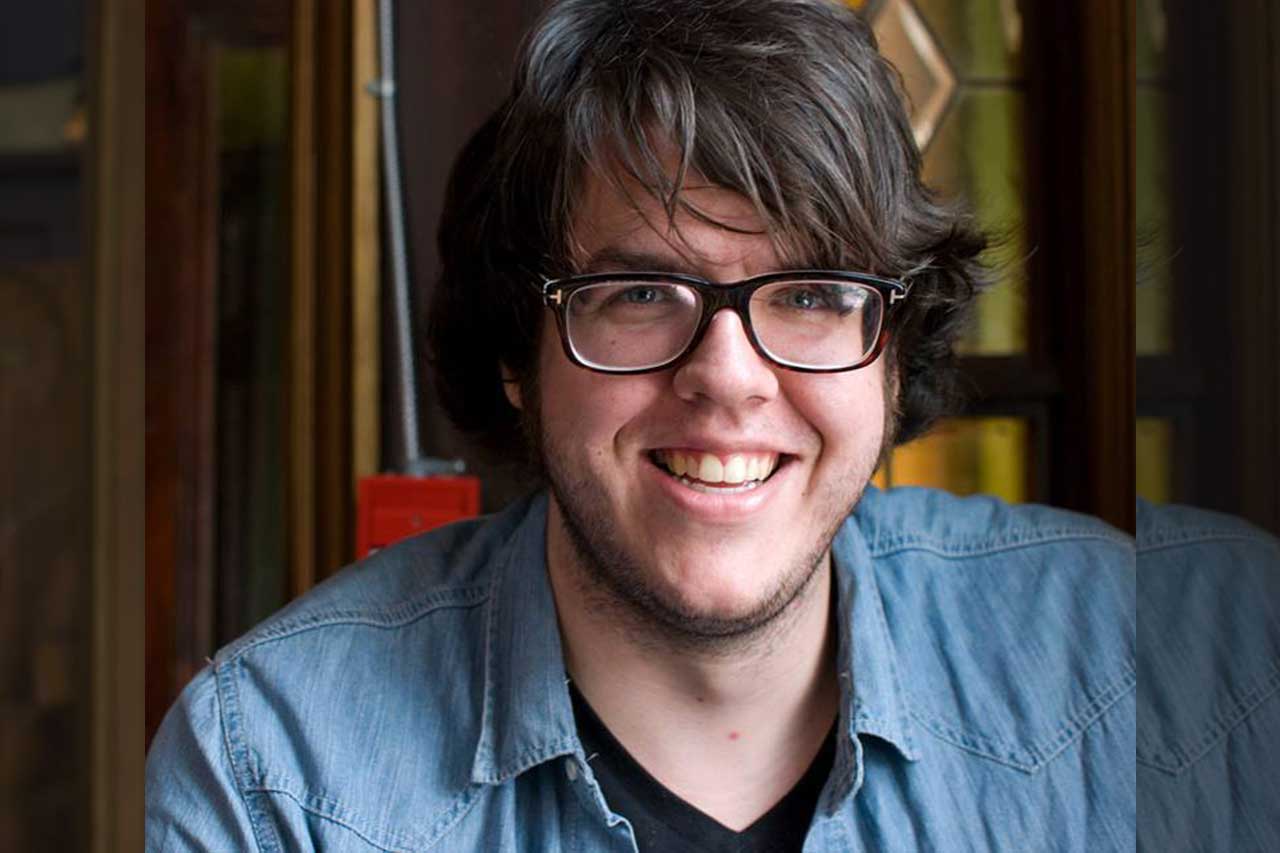
For this week’s MVP, we’re chatting with Rob Csernyik.
Is your phone screen full of ads of how to make $1,000 a day? Or TikToks about a rizz influencer who paid their rent without leaving the couch? Ummmm.
Online gaming is at everyone’s fingertips 24/7 now, as provinces across Canada are loosening the restrictions on betting. It’s time for a sobering look at a ubiquitous human habit—gambling—that is now enticing us in a convenient, colourful, entertaining and—for some players—almost irresistible form.
In this week’s MVP, Saint John, New Brunswick-based journalist Rob Csernyik explains why gambling-as-a-legit-gig isn’t real—no matter what the so-called “winners” say. His new book, A Losing Hand: The Human Costs of Canada’s Gambling Epidemic, is one of the few recent books to explore gambling in Canada, and it’s set to spark difficult conversations that seemingly nobody—not gaming and casino owners, government and officials, nor gamblers themselves—wants to have.
From our sponsor
-yVoV6aq5scCLI58por88BDQq9n4kFn.png&w=1920&q=75)

Congrats on your book. How long have you been covering gambling in Canada?
I’ve been working on the subject for over four years now. My interest in gambling goes back all the way back to my childhood when a casino opened in my hometown of Sydney, N.S. My mom used to get Chatelaine magazine, and it published a story about a casino and its impact on a town. I thought, “Wouldn’t that be funny if it was Sydney?” Then I opened it up, and there was a picture of the Sydney Casino.
I remember reading about some of the challenges it contributed to, including people spending money they may not have. And there were always rumours that some people used adult diapers because they were so unwilling to leave a machine.
I confess I haven’t ever thought about the history of gambling in Canada. Seems like it’s always been here.
The casinos—government-run commercialized casinos—started with the Crystal Casino in 1989 in Winnipeg. When it did a lot of business, after a very small government investment, other provinces started to look at gambling, too. In Ontario, Casino Windsor opened in 1994. It was pitched to Ontarians as a government-owned gambling palace where you could go in and have a little taste of Vegas here at home.
Back in the day, when this industry was starting, gambling was so new that I do genuinely believe some politicians and decision-makers really did see gambling as a force for good. It gave people an opportunity to do something they might have been doing in illegal markets, but more safely.
Online gambling revenue in Ontario alone is about $3 billion a year. Is it a “good” business?
Of course, gambling is a good business because the house wins. The odds are in favour of the house. But the opportunity for profit depends on what line of gambling you’re talking about.
Take iGaming—online gambling—companies, for example. Typically, about 20% of gross gambling revenue goes to the government. That might sound like a lot, but it still means 80% of it is kept by these online casino companies.
Prediction markets, meanwhile, are when you bet on world events happening. You could bet on sports, who will win the Oscars, or whether Trump will mention specific items in the State of the Union address.
When I was a teenager, online poker was suddenly a big deal. There’s always a new way of gambling, even though lots of people still don’t understand the old way.
I get ads on my feeds all day about someone who made $800 gambling at home, telling me I can do it. Is online gambling a job?
Gambling isn’t a job, no. The idea that it could be, if you are clever enough is, I think, one of the worst things happening at the moment.
I understand we’re in tough economic times, where people can follow someone investing in a meme coin or meme stock. But we always hear more about the outliers, those who do really well. For too many years, the media has been water-carrying for lottery corporations. Journalists report excessively about lottery winners, and whether they’re going to get a boat or travel around the world. We don’t hear about gambling addiction, depression, bankruptcy and suicide. And when media reports and lottery websites include too many details about winners, even those who win very modest prizes, we’re helping salespeople and scammers track them down.
That’s messed up, even if it doesn’t always result in harm.
A lot of people might read this and think, “Yikes. Am I gambling too much?” What would you say to them?
I would refer them to the Lower Risk Gambling Guidelines. That’s basically a scale that tells you, for example, the number of games you can play each month and the percentage of income that you can gamble while keeping within a low risk of gambling harm. It’s different for everyone but the scale is easily available online.
If you notice you’re starting to play too much or chase losses, or you’re not telling people that you’re gambling, those aren’t good signs. We’re in an era now where it’s just so easy to gamble. It’s everywhere and at your fingertips.
I’m not surprised that a lot of people think of it as consequence-free, but it’s not. And if you’re looking at the society we live in to give signals that your gambling is going too far, well, that’s not going to happen.
Gambling is a business that’s making money, and it wants yours.
Rob Csernyik also contributes to The Get.
Read more from this issue of The Get:

Rosemary Counter
Rosemary Counter is a Toronto-based writer and journalist whose reporting and essays have appeared in The New York Times, Vanity Fair, The Guardian and others.


The Get is owned by Neo Financial Technologies Inc. and the content it produces is for informational purposes only. Any views and opinions expressed are those of the individual authors or The Get editorial team and do not necessarily reflect the official policy or position of Neo Financial Technologies Inc. or any of its partners or affiliates.
Nothing in this newsletter is intended to constitute professional financial, legal, or tax advice, and should not be the sole source for making any financial decisions. Past performance is not a guarantee of future results. Neo Financial Technologies Inc. does not endorse any third-party views referenced in this content. Always do your due diligence before deciding what to do with your money.
© 2026 Neo Financial Technologies Inc. All rights reserved.