Published on April 27, 2026 · 5 min read
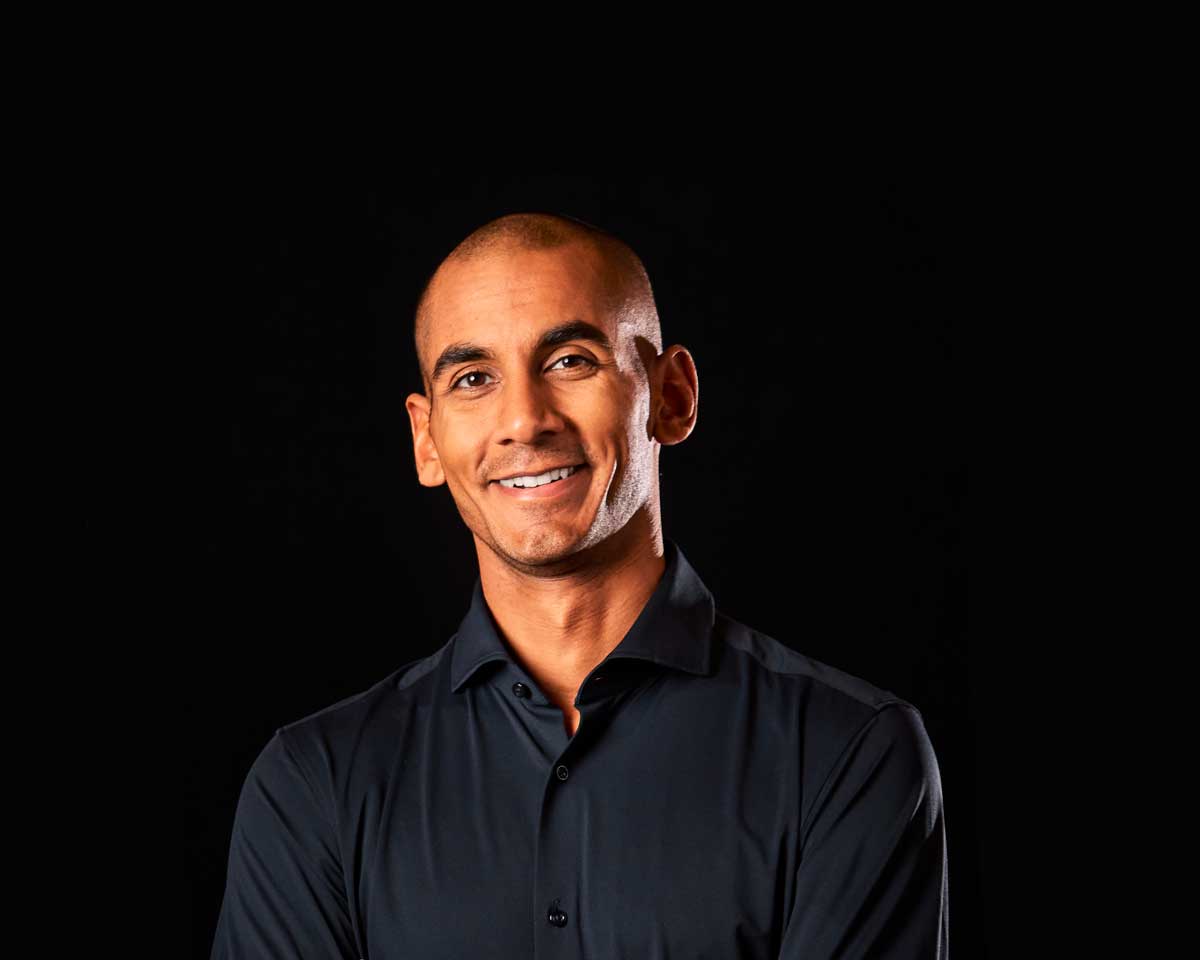
For this week’s MVP, we’re chatting with Karia Samaroo.
Karia Samaroo, co-founder of regulated crypto exchange WonderFi, is the first to admit that crypto has a not-so-stellar reputation in his circles and beyond. But that’s only because cryptocurrency is new and different, and humans fear change, suggests the Vancouver-based lawyer-turned-tech-entrepreneur. (WonderFi owns and operates reputable and regulated crypto asset trading platforms, including Bitbuy and others.) Forward-thinkers among us would do well to know more about the controversial digital currency, though nobody should be jumping into the notoriously risky (at least for now) crypto market until and unless you can do one specific thing. Find out what that is in this week’s MVP.
Is it true you used to be a lawyer? What kind of law did you practice?
I started out as a corporate securities lawyer; don’t hold it against me! My job was basically helping businesses raise money and navigating regulatory stuff. I found things just moved so slowly. Everything took months and months to happen. I moved to the crypto space in 2016 after I heard a friend talking about it. I saw how quickly companies were raising money and how quickly money was moving—from months to hours to minutes. That was really exciting, and I became curious—like, how is this legal?
I think a lot of people think that way, including me. How would you explain crypto to a skeptical person like me?
The easiest way to think about it is as a technology upgrade for money. Over the last 30 years, we’ve upgraded how we communicate, how we consume media, how we shop, and how we travel. Money hadn’t had that same type of upgrade. Besides a few new infrastructures, we still move money on the SWIFT system, which was built in the early ’70s and hasn’t changed much since then. If you’ve ever done a wire transfer, you know that it can take at least 24 hours and up to maybe four days. The bank is a third party that holds your money, so if your bank decides you can’t have access, then you can’t have access. If your bank goes under, even if you’re insured, it’s only up to $100,000 per account in Canada. You only truly have $100K, just because of how the banking system works.
Should I hide bills under my mattress then? Or buy gold? I cannot hold a Bitcoin in my hand either.
This will always be a challenge for people because it’s so easy to connect with something physical. If you have a bill or a gold nugget in your hand, that feels easy and real. But it poses challenges too: How do you store it? How do you move it? How do you verify it—or its purity? There are solutions and costs to all these questions, of course. Still, we’re now all used to seeing our money as just a couple of digits on a screen, and lots of us haven’t used cash for a long time.
One of my favourite books is Broken Money by Lyn Alden. It does a great job going through the history and evolution of money and just how old our system is. Now we have this new, revolutionary technology—computers and the internet—being applied to every other major sector, but not to banking.
But is that changing? And how long is that going to take?
Right now we’re seeing a lot of changes that are very crypto-friendly. In the last 10 years, regulation has come in and regulators are a lot more up to speed. But it is taking a while because, as in lots of emerging industries, there are lots of shady scams that have happened, and they have given crypto a bad reputation to the general public.
Even now, if I’m sitting in a room of finance people and crypto comes up, there’s that “you work in crypto?” response. That’s changing through—the industry has grown so much—and it’ll keep changing as we see more institutional adoption. The general path that most people go on with crypto starts with skepticism, but then it turns to learning. Then they soon understand there’s actually something really interesting happening here.
I don’t think that crypto will necessarily replace the traditional financial system any time soon, but I think it can supplement it and can work with it in different ways.
If somebody is curious about investing into crypto, what advice would you give them?
The first one is—and I wish I could go back and give myself this advice when I first got into crypto—actually understand what you’re buying. If you can’t explain it, then don’t buy it. This isn’t unique to crypto, but people get swept up and kind of treat it like going to the casino just because they heard someone else made money when they invested in crypto. This is true for stock investing too, but crypto has these connotations of quick money and big risk.
The vast majority of crypto assets that you can find online are not worth buying or investing in—that’s why I built my crypto exchange, WonderFi. We’re nothing like Quadriga and all these other ones—the ones there are documentaries about now and that make headlines. But if you read beyond the headlines and dig a little deeper, you’ll see how much else there is here.
Read more from this issue of The Get:

Rosemary Counter
Rosemary Counter is a Toronto-based writer and journalist whose reporting and essays have appeared in The New York Times, Vanity Fair, The Guardian and others.


The Get is owned by Neo Financial Technologies Inc. and the content it produces is for informational purposes only. Any views and opinions expressed are those of the individual authors or The Get editorial team and do not necessarily reflect the official policy or position of Neo Financial Technologies Inc. or any of its partners or affiliates.
Nothing in this newsletter is intended to constitute professional financial, legal, or tax advice, and should not be the sole source for making any financial decisions. Past performance is not a guarantee of future results. Neo Financial Technologies Inc. does not endorse any third-party views referenced in this content. Always do your due diligence before deciding what to do with your money.
© 2026 Neo Financial Technologies Inc. All rights reserved.