Published on July 13, 2026 · 4 min read
For this week’s Reality Cheque, we’re looking at the money myth about who should pay for a date.
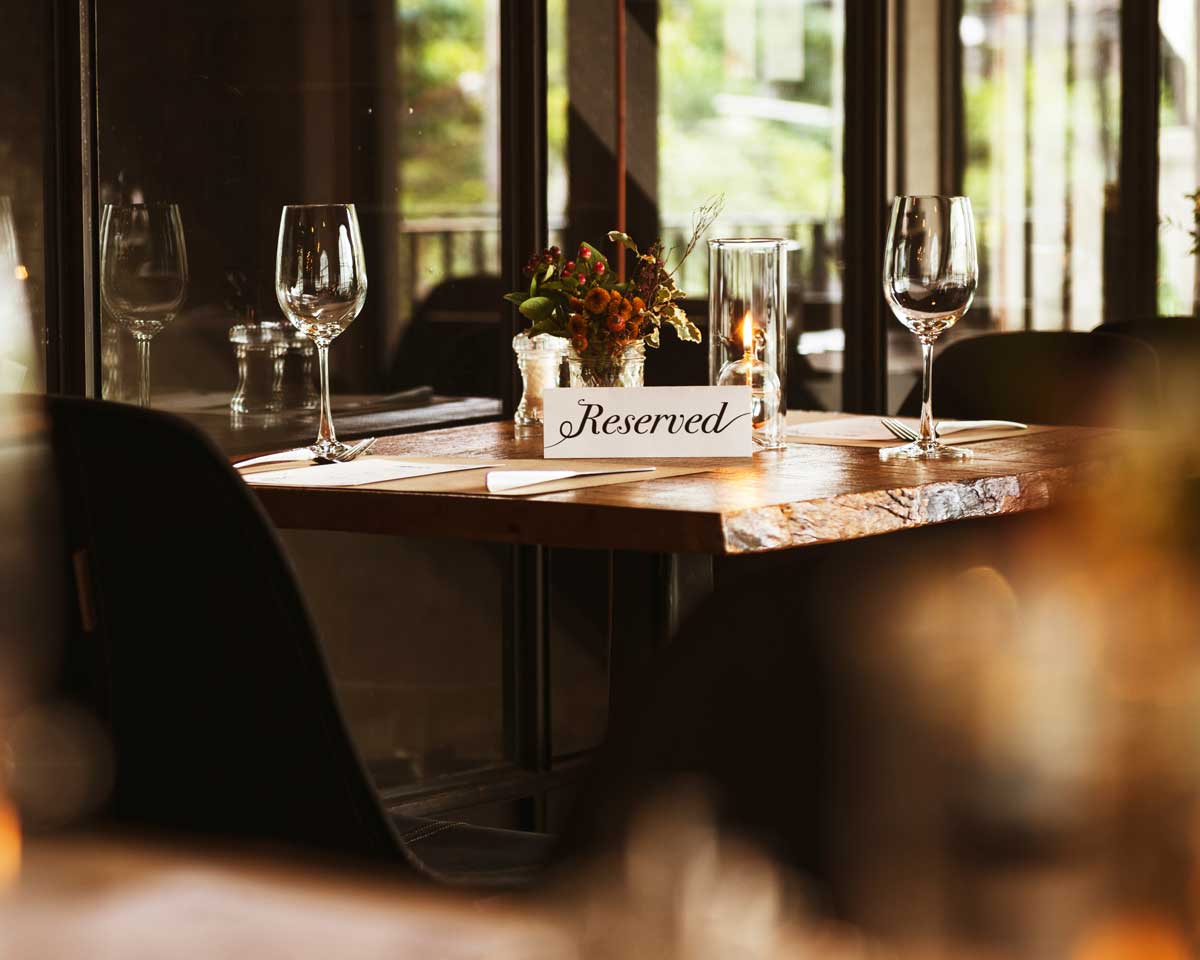
Picture this: The first date’s going great. Drinks are flowing, stories are being swapped, and there hasn’t been an awkward silence in what feels like a while. But then the bill comes. Who should reach for the cheque? And more importantly, in today’s dating landscape, what does paying the bill even mean?
From our sponsor
The ol’ adage that the guy has to pay checks. According to a study published in the research journal Psychological Reports surveying 552 heterosexual college students in North Carolina, men almost always paid the entire bill on first dates. But what about all types of Canadians on real-world dates in 2026? Keep reading on what some of us might have to say.
Ol’ school chivalry
In Canada, these traditional norms seem to hold for some women who date men. It’s only by the fourth or fifth date that Suzanne, a 24-year-old woman who works in marketing in Toronto, will reach for her wallet. “I guess I’m traditional and believe in chivalry,” she says, adding that if a guy did ask to split the bill on a first date, she’d see it as a red flag.
Jenna, a 30-year-old woman who also works in marketing in Toronto, agrees, even calling it an ick for a guy to suggest splitting the bill or proposing a cheap date like coffee or a walk. “If you’re trying to court someone, I think you should put thought and effort into where you’re going,” she says. “It doesn’t have to be the most expensive place, but I’m impressed with men who have taste.”
However, not all hetero women expect their date to pay. A Canadian poll suggests that 72% of women expect date costs to be split evenly, which aligned with a quick, informal office poll.
A worthwhile investment
For Adam, a 28-year-old man who works in finance in Toronto, paying for dates is the given—even if the vibe indicates that the first date will also be the last with that woman. “I’d pay $100,000 tomorrow to find my life partner, so if I end up paying $10,000 a year on dates, I see it as a worthwhile investment,” he tells The Get. He usually chooses a reasonably-priced cocktail bar for a first date, and spends between $50 to $110.
And for Jason, a man in his late 20s who works in tech in Toronto, also always pays for the first (typically between $100 to $200) and second date ($200 to $250). “I believe paying sends a positive signal, especially early in a relationship,” he says. “I wouldn’t make a plan if I wasn’t willing to pay for the entire thing.” But Jason calls it an ick when a woman doesn’t offer to split: “It makes me feel almost like they’re there for the free stuff.”
Same-sex couples
For some same-sex couples, a similar dynamic can ring true. Gabe says that in his experience, usually the more “prototypically masculine one pays first.” Gabe is a 27-year-old working in advertising in Montreal. After the first date, he says, he’ll generally alternate paying.
Samantha, a 26-year-old woman who owns a small business in Toronto, always reaches for the bill on the first date—it’s just her preference—but generally goes back and forth with the dates after that.
What the experts say
“As a general rule, the person who initiates the date should be prepared to pay for it,” says Amy Chan, Canadian dating expert and author of Unsingle: How to Date Smarter and Create Love That Lasts. She says it’s always a nice gesture for both parties to offer to cover their share.
“It’s not good form to feel entitled to anything,” she says. This is especially true given that Canadians spend an average of $174 on each first date, which is causing about half of single people to go on fewer or less expensive dates, given concerns about the rising cost of living. (No wonder coffee dates are trending. If it doesn’t work out, then you’re only out the value of a coffee or two.)
Chan says many of her female clients insist on splitting the bill if they’re not interested in seeing the person again. “They don’t want to feel guilty, indebted or as though they’ve accepted something they can’t reciprocate,” she says. “For them, paying their share creates a clean exit.”
Many hetero Canadians still expect the “man” to pay for a first date, according to Chan. She says it signals investment and generosity. Chan also notes, for heterosexual courtships, that it’s only fair, given that women spend more money than men do to glam up before dates.
That said, Chan notes that people shouldn’t base their decision to pay on whether or not they predict they’ll see their date again. “A paid dinner is not a contract. Nobody owes someone a second date, affection, or continued interest because they paid for a meal,” she says. “The healthiest mindset is to view paying as a gesture of generosity, not an investment expecting a return.”
Read more from this issue of The Get:

Samantha Fink
Samantha Fink is a freelance writer and editor, covering dating, relationships and culture. Her work has been published in publications like the LA Times, ELLE, Cosmopolitan, and others.


The Get is owned by Neo Financial Technologies Inc. and the content it produces is for informational purposes only. Any views and opinions expressed are those of the individual authors or The Get editorial team and do not necessarily reflect the official policy or position of Neo Financial Technologies Inc. or any of its partners or affiliates.
Nothing in this newsletter is intended to constitute professional financial, legal, or tax advice, and should not be the sole source for making any financial decisions. Past performance is not a guarantee of future results. Neo Financial Technologies Inc. does not endorse any third-party views referenced in this content. Always do your due diligence before deciding what to do with your money.
© 2026 Neo Financial Technologies Inc. All rights reserved.