Published on July 13, 2026 · 3 min read
By Al Mussell, research lead and founder of Agri-Food Economic Systems, and senior research fellow at Canadian Agri-Food Policy Institute
As told to Mary Luz Mejia
From our sponsor
.png-rLGFSx980jA3P5rYPd5UninHnqZPU4.png&w=1920&q=75)

Here’s the answer to this week’s reader question.
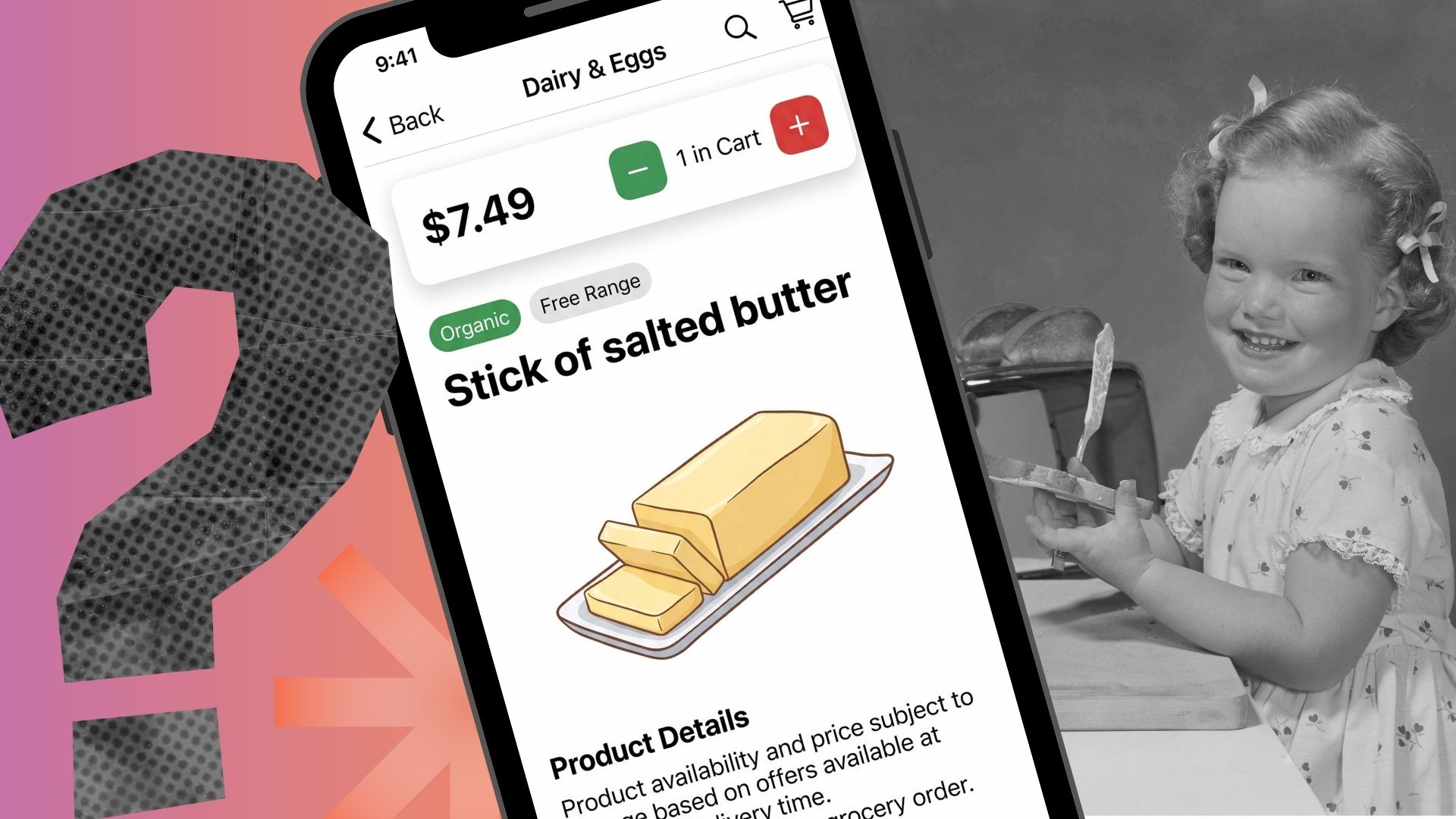
Why is butter so expensive right now? I’ve seen a pound cost almost $10, and I just want to bake homemade cookies.
—Richie
What’s the deal with dairy prices in Canada right now?
If it seems like butter is putting a dent in your wallet, you’re not wrong. As a supply management marketing systems expert, I can tell you it’s not just butter that’s more costly: all food, including eggs, has become more expensive to produce and move across Canada.
Think of the food system as a giant, interconnected web: Farmers need fuel, fertilizer, pesticides, feed, transportation and refrigeration before a carton of eggs or a pound of butter even reaches grocery shelves. When energy prices rise, so do the costs at every stage of that chain. And that’s because food and energy are far more connected than most people realize.
Some combination of natural gas and oil helps produce fertilizers and pesticides, and powers farm equipment and freight. In addition, energy is needed to run the refrigeration systems that keep perishable foods cold from farm to store. Because distribution and cold-chain logistics are especially important for products like dairy and eggs (unlike clothing or toys), higher energy costs ripple through the supply chain, ultimately showing up in food prices.
The carbon connection
Here’s another connection: Food and energy are not separate systems. They are heavily intertwined within the same carbon network. Hydrocarbons are the building blocks of our energy system, while carbohydrates are the building blocks of our food system. The words sound similar because both are carbon-based molecules, and in many ways, modern agriculture converts one form of carbon into another.
Natural gas, for example, is combined with atmospheric nitrogen to produce fertilizer. That fertilizer, along with soil, water, and sunlight, helps crops such as corn grow. Corn can then be fed to livestock that produce meat, milk and eggs, or it can be processed into ethanol, a fuel that can substitute for gasoline.
Disruptions to the system
Global supply disruptions, such as those caused by COVID-19 and geopolitical shocks, have only added to the pressure. Higher fuel costs, lingering labour shortages, and transportation bottlenecks have pushed grocery prices upward over the past several years. Increasing wage pressures driven by a higher cost of living have further contributed to higher food prices.
For eggs and butter specifically, Canada’s supply management system also plays a role. Under this system, prices for milk and milk products (including butter), as well as eggs and chicken are based largely on farmers’ production costs rather than fluctuating market demand.
The upside is stability: Canadians are less likely to see dramatic price crashes or shortages. The downside is that when farmers’ costs rise, whether because of feed, fuel, labour or fertilizer, those increases eventually show up at the checkout.
Take the savvy shopper’s approach
That doesn’t mean every high-priced block of butter is the result of regulation. Grocery stores often use staples like milk, butter and cheese as promotional “featured” items, heavily discounting them one week and charging regular prices the next. Premium products, such as grass-fed or specialty butters, can also push sticker prices much higher.
My advice? Stock up when butter’s on sale and freeze your surplus to avoid sticker shock.
The bottom line is that eggs and butter aren’t just more expensive because of what’s happening on the farm. They’re more expensive because nearly every part of the food system, from energy and fertilizer to transportation and labour, costs more than it used to.
Mary Luz Mejia is a freelance journalist, food and travel writer and Canada’s first IICCT Level III Certified Chocolate Taster.
Read more from this issue of The Get:



The Get is owned by Neo Financial Technologies Inc. and the content it produces is for informational purposes only. Any views and opinions expressed are those of the individual authors or The Get editorial team and do not necessarily reflect the official policy or position of Neo Financial Technologies Inc. or any of its partners or affiliates.
Nothing in this newsletter is intended to constitute professional financial, legal, or tax advice, and should not be the sole source for making any financial decisions. Past performance is not a guarantee of future results. Neo Financial Technologies Inc. does not endorse any third-party views referenced in this content. Always do your due diligence before deciding what to do with your money.
© 2026 Neo Financial Technologies Inc. All rights reserved.