
Updated on August 6, 2026 · Published on July 2, 2026 · 4 min read
Credit builder loans have become one of the most marketed financial products for Canadians with thin or damaged credit files, but the reality behind them is more complicated than the advertising suggests.
While companies like Borrowell, KOHO, and Nyble all offer programs that report your payment activity to credit bureaus, the actual impact these products have on your credit score may be far less meaningful than you expect. "Those credit builder loans may have an impact on your credit file, because it could be reported as a trade line on your credit file, but they're not likely to help you improve your credit score," said Richard Goyder, chief credit officer at Neo Financial.
What is a credit builder loan?
A credit builder loan is designed specifically for people building or rebuilding their credit. Unlike a regular loan, you don’t receive the money upfront—your payments go into a locked account, and you receive the funds at the end of the term.
Here’s how it typically works:
- Apply through a provider.
- Make fixed monthly payments against a locked savings account.
- The lender reports your payment activity to one or both credit bureaus.
- At the end of the term, you receive the saved amount, minus fees.
How lenders actually view credit builder loans
Some credit builder loans hold onto your money while you make fixed payments over time. There are also those who just report subscription payments to credit bureaus, while others lend consumers symbolic amounts.
While these products can seem like a good way to diversify your credit mix and rebuild your score, the type of trade line these loans create on your credit report may not carry the same weight as other forms of credit when lenders evaluate your file.
A trade line is an account on your credit report,—think credit cards, mortgages, and loans.
The scoring models used by Equifax and TransUnion® weigh different types of credit accounts differently, and not all trade lines contribute equally to your score. A credit builder loan creates an installment loan record on your file, but lenders reviewing your application may interpret that entry in unexpected ways. A credit builder loan can appear on your file—but the question is whether lenders actually value that particular trade line when deciding to approve you for a mortgage, car loan, or credit card.
"Lenders can see on your bureau that you've got one of these credit builder loans. And I don't know whether anybody does this, but there's always the risk that they consider that somebody who has one of those credit builder loans is actually a worse credit risk, because they're credit seeking and they're prepared to do these kinds of things,” Goyder explains. “A secured card, on the other hand, is a proven way to increase your credit score as long as you make your payments on time," he says.
Why secured credit cards remain the stronger alternative
A secured credit card requires you to put down a cash deposit that serves as your credit limit, and you then use the card for everyday purchases and make payments each month. This activity gets reported to the credit bureaus as revolving credit, which is the same type of account that traditional credit cards create. Consistent on-time payments on a credit card have a well-established track record of improving credit scores in Canada.¹
Payment history accounts for the largest portion of your credit score calculation in Canada, and keeping your credit utilization below 30% of your available limit is the one of the most important factors. A secured credit card lets you manage both of these variables, while a credit builder loan only addresses payment history—and it does so through a trade line type that may carry less weight with lenders' scoring models.
Best entry-level secured card

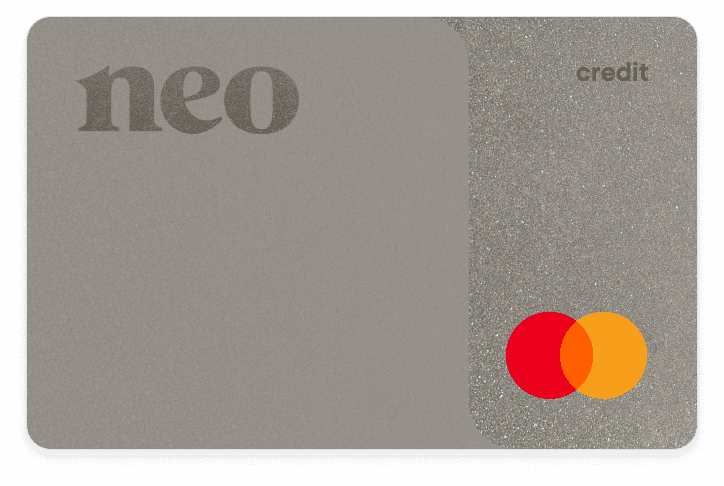
Secured Neo Mastercard
Build your credit history while earning cashback.
$9.99, with the Neo Build membership
$9.99, with the Neo Build membership
$50
$50
Up to 15% when shopping with thousands of Neo partners
Up to 15% when shopping with thousands of Neo partners
19.99% to 29.99%
19.99% to 29.99%
Average cashback based on current offers at select partners. Cashback may be limited and varies by perks, offer, and partner. See the Neo Rewards™ Policy for additional terms and conditions.
The Secured Neo Mastercard, for example, lets you put down a deposit starting at $50. You can start using the card immediately while your payment history gets reported to the credit bureaus. You also earn cashback rewards with thousands of Neo partners, which means you get functional value from the product while you build credit. This stands in contrast to a traditional credit builder loan, where your money sits locked away and you receive no spending utility until the loan term ends.
| Credit builder loan | Secured Neo Mastercard | |
|---|---|---|
Credit type | Installment | Revolving |
Builds payment history | Yes | Yes |
Addresses credit utilization | No | No |
Earns cashback | No | Yes, up to 15% via Neo's partner network² |
Looking to compare secured cards? See our guide to the best secured credit cards in Canada.
Frequently asked questions about credit builder loans in Canada
What is the best credit builder loan in Canada?
If you’re looking for a credit builder loan in Canada, providers like Borrowell and KOHO report to the bureaus—but the impact on your score can be limited.
Can I have both a credit builder loan and a secured credit card?
Yes, but if you’re choosing one, a secured card gives you more scoring levers to pull. You not only establish payment history, but by increasing your security deposit while keeping your spending the same, you can lower your credit utilization. Both of these are important factors that help determine your credit score.
Do I need a good credit score to get the Neo secured credit card?
No, there’s no minimum credit score required. You just need a refundable deposit² starting at $50.

Julien Brault
Julien Brault is a fintech entrepreneur and personal finance expert dedicated to making financial literacy accessible to all Canadians. As the founder of MooseMoney, he currently focuses on helping individuals navigate financial struggles through actionable advice and financial calculators.
Related Posts
View All
How to build your credit from scratch as a Canadian immigrant
Your credit history doesn't transfer to Canada. Here's how to build credit from the ground up in six to 12 months.

What’s the average credit score in Canada in 2026?
What does your credit score mean for your goals? Discover the average credit score in Canada, what good and bad scores look like, and where you fall on the spectrum.

Car loans can be the easiest path to credit for new immigrants, but they may not be the best
While a car loan is one of the most accessible forms of credit for newcomers, it is not the most cost-effective way to build a score from scratch.