Published on July 2, 2026 · 5 min read
By Julien Brault, founder of MooseMoney.
Most Canadians who file for bankruptcy don't lose everything they own. Yet, this myth, along with many others, persist because bankruptcy carries a stigma that discourages people from learning how the process actually works. Here are 5 things most Canadians did not know about how a personal bankruptcy actually plays out in real life.
From our sponsor
-yVoV6aq5scCLI58por88BDQq9n4kFn.png&w=1920&q=75)

1. You Don’t Lose Everything You Own
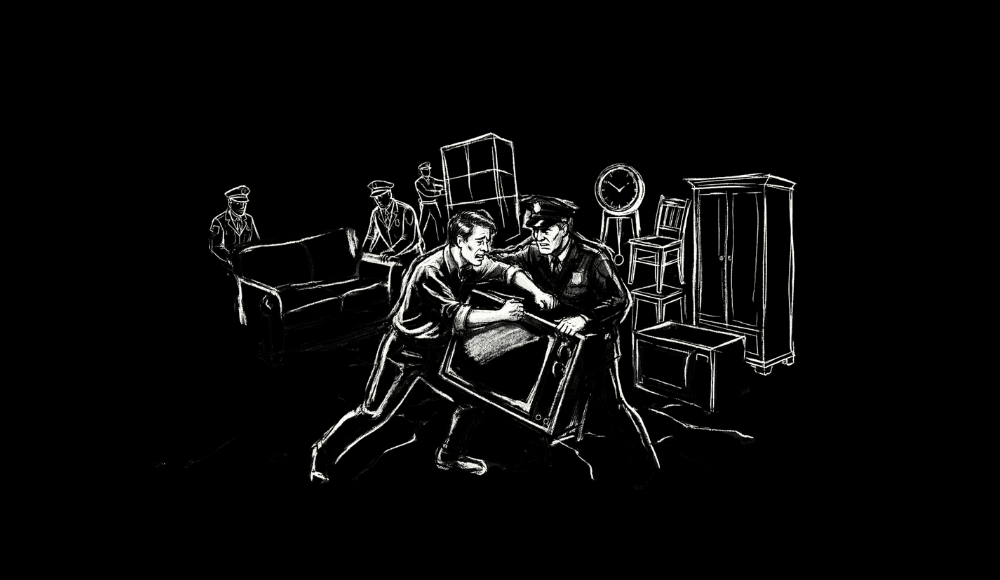
One of the most persistent fears about bankruptcy is that you will be stripped of all your possessions. Canadian provincial and territorial laws protect a defined list of exempt assets, and these exemptions are more generous than most people expect. In Ontario, for example, your house is off limit as long as you live in it, and that your personal home equity is less than $10,783. If you happen to live in Alberta, however, you can keep your primary residence as long as your home equity is less than $40,000.
If you are concerned about losing your couch or your TV, keep in mind that the exemption for household furniture varies from $4,000 on the lowest end (Alberta, British Columbia, Newfoundland) to $17,091 in Ontario. Furthermore, everything owned by your spouse is off-limit. Every province sets their own bankruptcy exemptions, but the bottom line is, unless you live like a prince, you probably can keep most of your physical stuff.
Locked-in pensions are protected federally, and RRSP contributions are generally exempt except for amounts contributed in the 12 months before filing. Your pets cannot be seized either. Many people who file bankruptcy keep their cars, their homes (if they have little or no equity beyond the exempt amount), and most of their personal belongings.
Non-exempt assets, such as investments in a non-registered account or valuable collections, will be surrendered to the trustee and liquidated to repay creditors. But the outcome is rarely the total loss that people imagine.
2. Your Credit Takes a Hit, But Recovery Starts Sooner Than You Think
A bankruptcy notation stays on your credit report for six years after discharge in most provinces, and up to 14 years for a second bankruptcy. During that window, you will carry an R-9 rating, the lowest possible score. Lenders, landlords, and even cellphone providers will see it.
However, if you are already months behind on payments with active collections on your file, your credit rating is likely already in poor shape. Filing for bankruptcy does not destroy a pristine record; in many cases, it replaces an existing mess with a structured path forward.
Rebuilding can begin almost immediately after filing. One practical first step is applying for a secured credit card, which requires a cash deposit that acts as your credit limit. The Secured Neo Mastercard, for instance, is designed for Canadians in exactly this position and reports your payment activity to the credit bureaus each month. By making small purchases and paying the balance on time every month, you demonstrate responsible credit use and gradually improve your score. Within a year of discharge, many people can qualify for a car loan or other forms of credit, provided they meet income requirements.
3. Collection Agencies Stop Calling You
The moment you file, a legal protection called a stay of proceedings takes effect. Creditors must immediately stop all collection calls, wage garnishments, and lawsuits against you. Your LIT notifies every creditor and collection agency on your behalf.
"Immediately after your file for bankruptcy, the trustee will send notice to the creditor and the collection agencies and tell them they have to deal with the trustee's office, not with the debtor anymore. Most collection agencies are smart enough to understand there's no money to be made chasing people who are already in protection under federal law," says Jeremy Kroll, Licensed Insolvency Trustee and Partner at Baigel Corp.
4. Some Debts and Financial Obligations Don’t Go Away
You also will not walk away from every obligation. Student loans are not discharged unless you have been out of school for at least seven years. Child support, spousal support, court fines, and debts arising from fraud all survive a bankruptcy discharge. Secured debts like mortgages and car loans remain in place as well, meaning a secured creditor can still repossess collateral if you fall behind on payments.
5. Bankruptcy Is Not Free, and It Is Not Your Only Option
Trustees do not work for free. Their fees, typically around $1,800 or more depending on complexity, are usually paid from the proceeds of liquidated assets or through monthly payments you make during the bankruptcy period. You will also pay for the two mandatory counselling sessions. If you have no assets to liquidate, your trustee will set up a payment plan, sometimes as low as $200 per month.
Before you reach the point of filing, it is worth considering other debt reliefs options such as a consumer proposal. A consumer proposal is the most common insolvency filing in Canada and allows you to repay a portion of your debt over up to five years, interest-free, while keeping all your assets. Debt consolidation through a non-profit credit counselling agency or a consolidation loan from a bank or credit union can also work for people whose debt load is manageable but whose interest rates are not.
Every situation is different, and the right solution depends on your total debt, income, assets, and personal circumstances. Jeremy Kroll, Licensed Insolvency Trustee and Partner at Baigel Corp, encourages people not to delay getting professional advice. "The first consultation with a trustee is always free with no obligations, from every trustee that I know of. And you're going to get a proper evaluation, as long as you give the trustee all your facts accurately," he notes.
Related Posts
View All
Neo Advance vs. Money Mart review: Why a payday loan isn’t worth it
Getting access to fast cash isn’t the hard part. Dealing with the cost is. Compare Money Mart’s $14-per-$100 payday model with Neo’s 0%-interest cash advance.

Neo Advance vs. Nyble: Which cash advance is right for you?
Both skip interest and a hard credit check, but only one gets you cash instantly, reports to both bureaus, and moves you forward after payday.

Neo Advance vs. KOHO Cover: Which cash advance builds credit?
A cash advance can get you through the week. But only one of these actually moves your financial life forward.