Budgeting & Debt
Learn how to manage your budget and reduce debt with practical guides on spending, saving, credit, and repayment strategies. Take control of your money and your life with confidence.

Considering a payday loan? Look into these alternatives first
Here’s how to cover the gap without paying payday loan prices, and without getting stuck in the borrowing cycle.

Consumer proposal vs. Debt consolidation: Which protects your credit?
Consolidation tends to work best when you can afford to repay your full debt, but want to lower your interest costs and simplify your payments.

10 unexpected effects of doing a consumer proposal in Canada
Unlike bankruptcy, a consumer proposal does not transfer control of your assets to a trustee. You keep your home, your vehicle, and all your investment accounts.

The truth about government debt relief programs in Canada
Two formal debt relief mechanisms fall under the Bankruptcy and Insolvency Act: the consumer proposal and the bankruptcy.
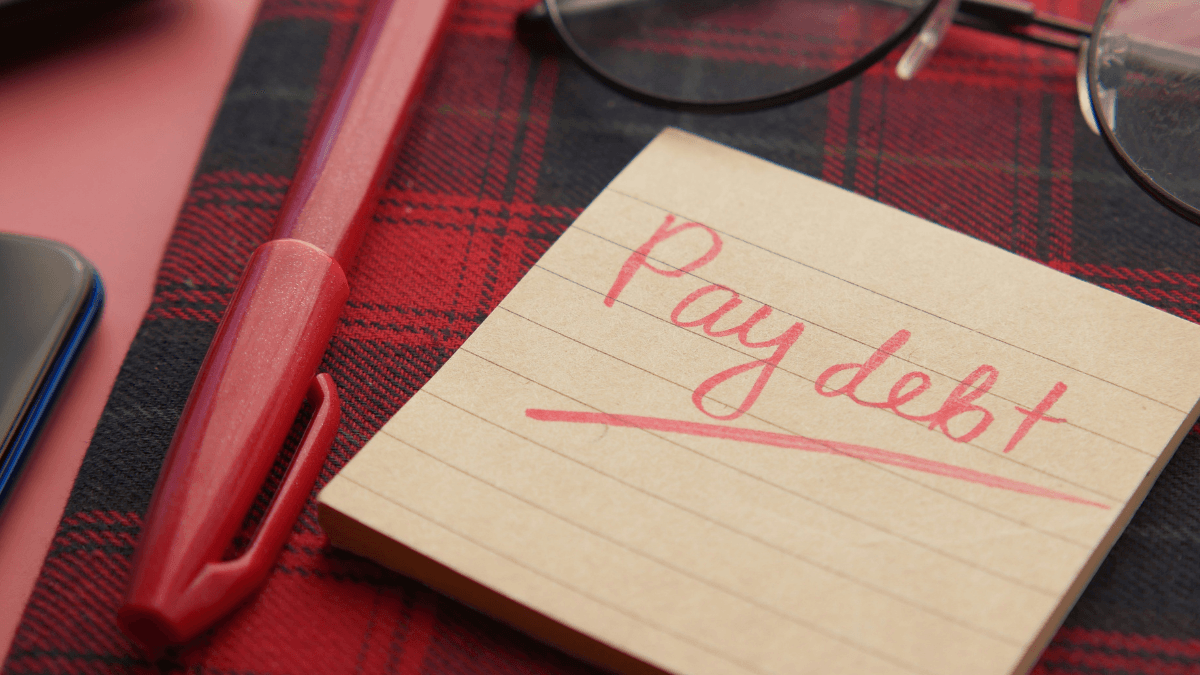
When do debt collectors take you to court in Canada?
If a collector contacts you about a debt that is past the limitation period, avoid engaging with them, since they lost the legal right to enforce repayment through the courts.

Debt Management Program VS Consumer Proposal: How To Decide Between The Two
A debt management program (DMP) requires you to repay 100% of your debt, while a consumer proposal lets you settle for a fraction of what you owe. That single difference should guide most of your decision.
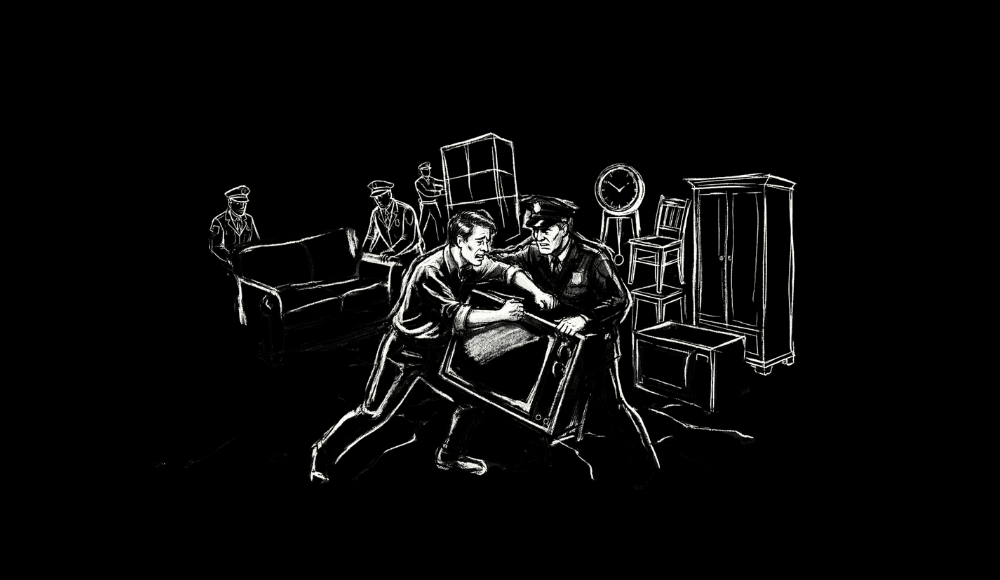
5 Surprising Things That Happen (And Don't Happen) When You Declare Bankruptcy
Most Canadians who file for bankruptcy don't lose everything they own. Yet, this myth, along with many others, persist because bankruptcy carries a stigma that discourages people from learning how the process actually works.