
Published on February 2, 2026 · 6 min read
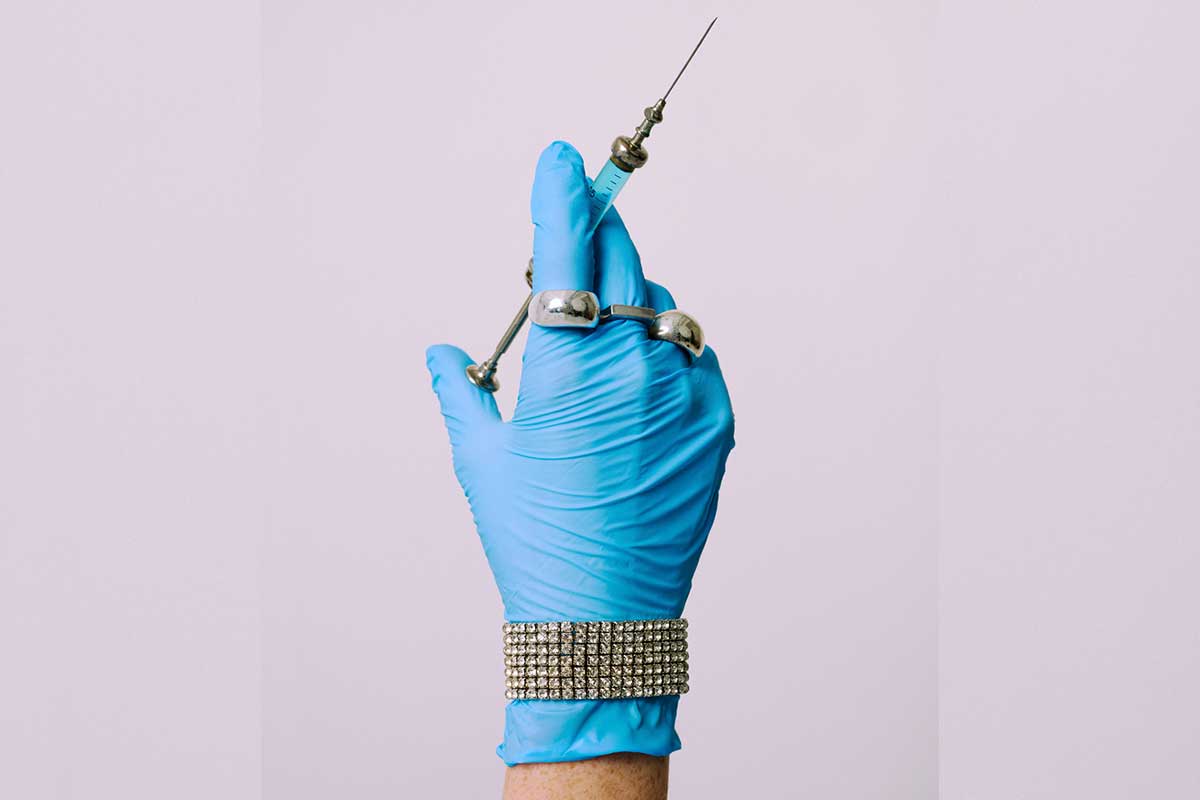
For this week’s top story, we’re comparing the cost of Ozempic and other GLP-1 weight-loss medications to exercise and diet.
Ozempic and a host of similar GLP-1 drugs have officially entered the zeitgeist. It’s not often that a medication becomes a household name across the world, and with such speed. Suddenly it seems like everyone knows someone taking a GLP-1. It’s clear that these medications aren’t going anywhere—in fact their use is on the rise.
An estimated 10% of Canadians are now taking a GLP-1 medication, like Ozempic, originally developed to treat type 2 diabetes. This class of drugs, which are increasingly touted by celebrities and social media influencers alike for losing weight, are also more widely available now in Canada via a host of online medical platforms.
How much does it cost? Is exercise and diet really cheaper? We spoke to the experts to understand the short- and long-term implications on your finances of taking a GLP-1 drug for weight loss versus opting for traditional dieting and exercise to lose weight.
Note that the information here pertains to weight loss in generally healthy individuals only, and it is not medical advice. Before making any healthcare choices, always speak to your doctor.
What is a GLP-1 drug and how does it work?
Glucagon-like peptide-1 or GLP-1 is a naturally occurring hormone in the gut, secreted during the process of eating, and it tells your brain you’re full, explains Dr. Tasneem Sajwani, the medical director of the Weight Management Program at Edmonton Weight Management Centre.
GLP-1 agonists, like Ozempic, are drugs that mimic the action of the hormone in your body to promote weight loss. These drugs can help make you feel fuller for longer, slow the movement of food through the digestive system, and reduce cravings. The medications quiet “food noise,” that sneaky voice that is always thinking about your next meal, explains Dr. Sajwani.
For patients experiencing obesity, there’s usually a dysfunction with that hormone which contributes to weight regulation issues, says Dr. Sajwani. Some GLP-1 drugs, like Ozempic and Rybelsus, are approved for treating type 2 diabetes, whereas Wegovy is approved for weight loss in individuals who are obese (with a body mass index or BMI of 30 or more) or who are overweight with a weight-related health condition.
These weight-loss drugs aren’t without side effects. Gastrointestinal issues (nausea, vomiting, diarrhea or constipation) are the most common, while rare but serious side effects such as pancreatitis or gallbladder disease can occur. “Ozempic face” isn’t a diagnosis or a side effect, but is the current nickname for facial changes that can come with any rapid weight loss—whether from GLP-1 drugs or other causes.
The cost of a GLP-1 medication: How much does Ozempic cost?
You can’t just buy it. To get a prescription, you need to meet certain medical criteria. If you use a virtual care platform, there can be an initial consultation cost (ranging from about $40 to $100), checkup fees (about $50), and you may need a virtual care membership (a monthly fee of $15 to $85), in addition to the cost of the medications themselves. Otherwise, your appointment should be covered by your provincial or territorial health plan.
Depending on the GLP-1 drug prescribed, the out-of-pocket cost can be between $200 to $750 a month, based on your dosage needs. Many insurance companies will only cover the fee if it’s prescribed for diabetes, not weight loss. But with the generic versions expected to arrive on shelves this year, the list price of these drugs could come down.
You also need to consider that you may need to take a GLP-1 for a long time, or maybe forever. That means you’ll have to budget for it. A recent study showed that people who went off these weight-loss meds gained back all the weight and lost most of the benefits related to cardiac health.
“When it comes to long-term use, it’s very similar to interventions for other chronic diseases. If I stop somebody’s blood pressure medication, obviously their blood pressure is going to go back up,” says Dr. Sajwani. “You’re also going to have weight regain if you stop medication interventions.”
The financial costs of a fitness routine
If you’re looking to ramp up your fitness routine to achieve a healthy weight, it’s really a “choose your own adventure,” based on your interests and the price point you can afford.
The average monthly cost of a gym membership in Canada could be anywhere from $15 for a basic gym to over $300 per month for a more luxury fitness experience. If you want specialized or boutique workout classes—like Pilates, spin or CrossFit—you could be forking over $40 per class. Personal training costs approximately $100 per hour. And time is money, so you also need to consider the hours you’re spending to reach those fitness and weight loss goals.
Regardless of whether you’re on a GLP-1 or not, exercise is still an important part of an overall health plan, says Dr. Sajwani. So, even if you’re hitting your weight loss goals with meds alone, you’ll probably still have to factor some fitness into your overall budget for cardio and strength.
The price of a healthy diet in Canada
The cost of eating healthy, fresh foods can add up, with food prices a whopping 27% higher than they were five years ago. Not to mention the time, energy and mental load of meal prepping and calorie counting or hiring an expert to help you get on track. (Read: Are you unknowingly paying the convenience tax?)
Interestingly, though, new studies show that people on GLP-1 medications spend less, on average, on groceries and eating out.
“What we’re noticing in our data is that people are consuming certain foods very differently,” says Sylvain Charlebois, professor and senior director of the Agri-Food Analytics Lab at Dalhousie University. “They will avoid sugar, they will avoid sodium, alcohol as well. And, frankly, the impulse to overeat is almost gone.”
Less cravings equals less late-night deliveries and impulse buys at the checkout. “Based on the information we have, people on GLP-1s are basically spending less money,” says Charlebois. “It makes them more conscious about what they eat.” Charlebois notes the lab’s survey found a sharp reduction in the consumption of pastries, candy, chocolate, cookies and packaged snacks.
But less hunger pangs may not mean you’ll spend less overall. Other consumer data showed that GLP-1 users may increase their spending on products like superfoods and protein shakes compared to those not taking the medications. (Read: How to train your brain to stop overspending.)
Are weight loss medications worth the money?
“Medications can certainly support patients in continuing to eat healthy and exercise,” says Dr. Sajwani. “So, it’s not really one or the other.” Overall, it’s up to you and your doctor to decide if the benefits, the risks and the potential long-term costs make sense for your lifestyle, your health—and your wallet.

Kate Daley
Kate Daley is an award-winning journalist and communications professional based in Toronto. More of her work can be found in The Toronto Star, Chatelaine and Today’s Parent.

The Get is owned by Neo Financial Technologies Inc. and the content it produces is for informational purposes only. Any views and opinions expressed are those of the individual authors or The Get editorial team and do not necessarily reflect the official policy or position of Neo Financial Technologies Inc. or any of its partners or affiliates.
Nothing in this newsletter is intended to constitute professional financial, legal, or tax advice, and should not be the sole source for making any financial decisions. Past performance is not a guarantee of future results. Neo Financial Technologies Inc. does not endorse any third-party views referenced in this content. Always do your due diligence before deciding what to do with your money.
© 2026 Neo Financial Technologies Inc. All rights reserved.